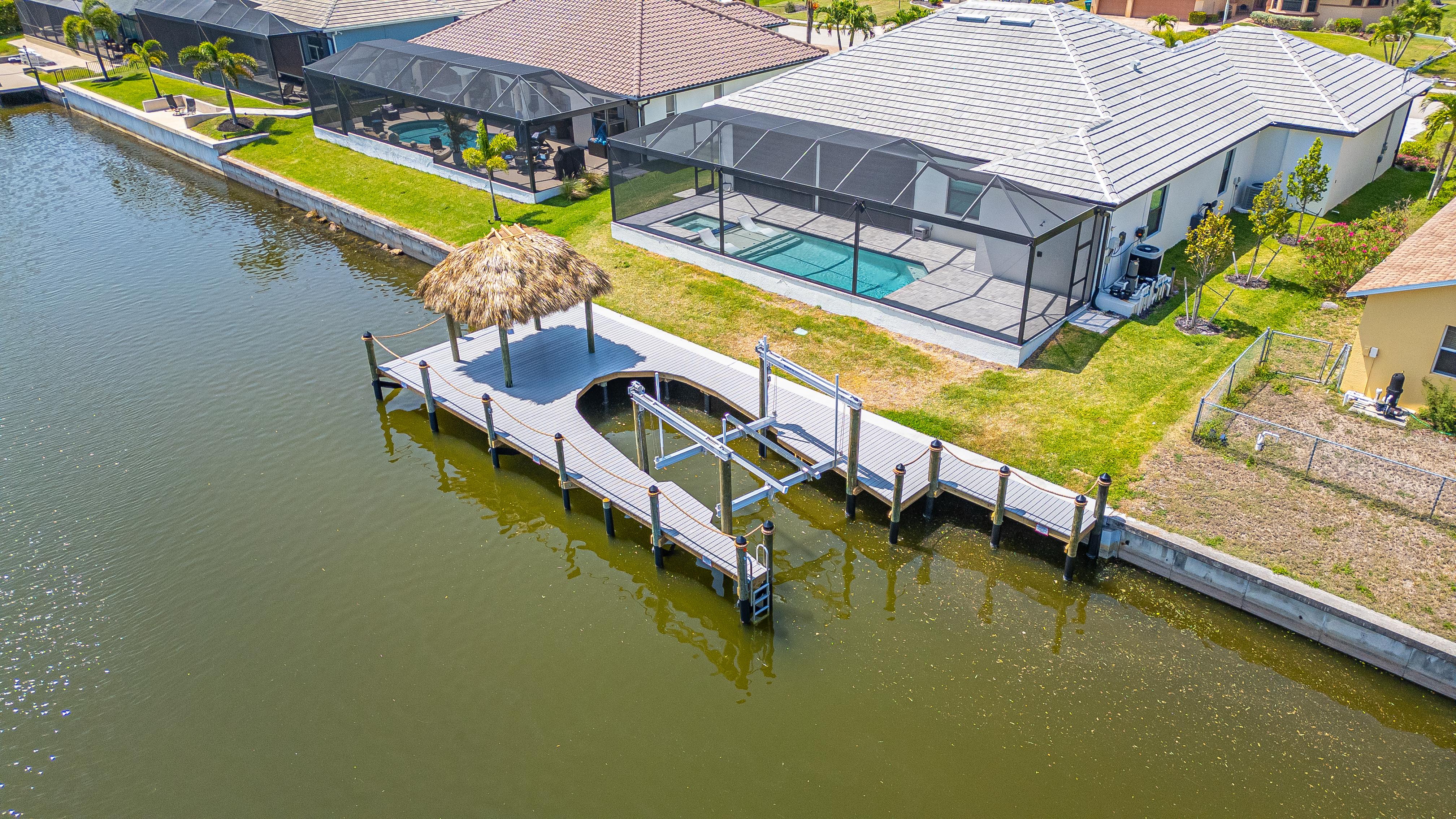
Dock Piling Installation in Cape Coral, FL
Learn More →
Coastal Marine Group
Next
And here's some amazing content. It's very engaging. Right?
Why Dock Piling Installation Matters in Cape Coral, FL
When you live in Cape Coral, you kinda get used to the mix of sun, storms, and salty water changing things faster than you like. A dock piling is the thing that keeps your dock from movin’ around, and without good pilings the whole dock gets wobbly or starts leaning like an old fence in a backyard. Folks near the Downtown Cape Coral district and the streets around SE 47th Terrace see this all the time cuz water levels bounce up and down. Up near the old cultural landmarks and the local shops on SE 47th Terrace, I’ve seen docks settle weird after a rough storm. That’s the reason Dock Piling Installation is such a big deal here
Some homeowners think replacing a board or two will fix everything, but the real issue is usually the pilings underneath. That’s the part that holds the whole thing up. If they start rotting or getting chewed up by marine worms, the dock gets unsafe real fast. I once walked past a house near Four Freedoms Park and the whole corner of the dock was sagging into the canal. That’s normally a piling issue.
I always tell people, “A dock is only as good as what holds it up,” and that’s pretty much the truth here in Cape Coral.
What Dock Piling Installation Actually Means (Simple Breakdown)
I like keepin’ things simple, so here’s how to think about Dock Piling Installation. The piling is a big pole (wood, concrete, fiberglass, or steel) that goes deep into the waterbed. It’s kinda like planting a tree but sideways and underwater. We put the piling in, make sure it’s firm, and then build the dock around it or onto it.
That’s really it. It ain’t fancy, but it’s heavy work. The part nobody sees is how far down we have to drive the piling to make sure it doesn’t wiggle when a boat pulls up or when the tide changes.
There’s also rules about how far apart pilings gotta be and how they interact with the deck, and Cape Coral follows a bunch of building codes. You can see some of that info in local sources like the City of Cape Coral building permit page (https://www.capecoral.gov). Whenever a customer asks why things take time, I normally tell them, “The city wants things safe, and honestly, so do we.”



Local Challenges Around 424 SE 47th Terrace A, Cape Coral, FL 33904
If you’ve ever driven down SE 47th Terrace near our office, you see how many canals branch off everywhere. Cape Coral’s canal system is kinda like the veins of the city. The water shifts a lot, and some spots get more salt exposure than others. That’s why I always check the soil and the water movement patterns before installing any piling.
Near places like Bimini Basin and Jaycee Park, the water tends to churn harder when storms come in. Customers near that area usually need stronger piling materials like concrete or fiberglass. Over by Del Prado Blvd and the smaller canals tucked behind it, the water is calmer, but the soil gets mushy. That mushy stuff can make wooden pilings settle deeper over the years.
Even around our address at 424 SE 47th Terrace A, you can feel how the soil changes just walking around. That kinda stuff makes a difference when installing pilings.
Another thing folks don’t think about: marine worms. These lil’ things eat wood like a kid eats candy. You can learn more about how marine pests affect dock materials from the NOAA coastal environment resource page (https://www.noaa.gov). Every time someone tells me their dock looked fine last summer but now it’s sagging, those lil’ critters are usually the reason.
How We Install Dock Pilings Step by Step (Explained Like a Friend)
Here’s how I explain it when someone asks me at the marina or the bait shop: We check the water and soil. This is like checking the oven before you bake. Gotta know what you’re working with. We bring in the barge or workboat. For tight canals or shallow water, we use our smaller rigs. We position the piling. We hold it over the target spot with a machine arm. We drive it down. This is the loud part. It shakes a little, kinda feels like a bass speaker under water. We measure and trim. We make sure it lines up with the dock height. We brace it. Some jobs need crossbeams or extra support. We seal it up. If it’s wood, we treat it. If it's concrete or composite, we check the surface. I once had a homeowner near Yacht Club Community Park come out thinking we were breaking his seawall because the vibration made his coffee spill. But by the end he was laughing about it. That’s normal—dock piling work makes things vibrate a bit.
Story Time: Real Dock Piling Jobs Around Cape Coral
A good story makes all this stuff real, so here’s a few from the last couple years. Story 1: The Leaning Dock on Everest Pkwy A guy called saying his dock felt “kinda sideways.” His daughter said it looked like the dock was “trying to swim away.” When we got there, two pilings were eaten halfway through by marine worms. We swapped in new fiberglass pilings, and the guy joked that his dock finally “stood up straight like it went to school.” Story 2: The Canal House Near Rosen Park This customer had a boat lift that kept squeaking even after service. Turned out the pilings supporting the lift were shifting because the soil under them was sandy. We replaced the pilings and the squeak was gone. The customer gave us fresh mangoes from his tree as a thank-you. Story 3: The Vacation Rental on Coronado Pkwy The owner said renters kept messaging him that the dock felt “bouncy.” We checked the pilings and the tops were rotting. We replaced all eight pilings. A month later he called us again—this time just to say people stopped complaining and started sending him nice reviews instead.
Seasonal Impact on Dock Piling Installation

Cape Coral weather changes more than people think. Every season hits docks a little different:
Summer: water gets higher, storms hit hard, and pilings move the most.
Fall: the wind shifts and pushes water around differently, stressing older pilings.
Winter: water levels drop and some pilings dry out halfway, making cracks show.
Spring: currents get stronger, and loose pilings start wobbling.
Every year around hurricane season, folks near SE 47th Terrace start calling cuz their docks feel “off.” We see the same pattern all over the Cape.
Material Choices for Dock Pilings in Cape Coral
Here’s the simple breakdown:
Wood: cheaper, looks nice, but gets eaten by worms unless it’s treated good.
Concrete: strong, heavy, steady, but a pain to install in tight canals.
Fiberglass/Composite: real long-lasting, smooth, and doesn’t rot.
Steel: used more for commercial spots or heavy-duty lifts.
Around Cape Coral, fiberglass tends to last the longest cuz the water and pests don’t hurt it much.
If you wanna read more about how materials react to saltwater, check out the EPA coastal resilience info page (https://www.epa.gov). It explains how saltwater breaks stuff down.
Contractor– How This Fits Our Broader Work
Since Dock Piling Installation is part of our bigger contractor services, we see how everything ties together—seawalls, boat lifts, decks, gangways, and davits. When we install pilings, we also look at the seawall because sometimes the problem ain’t the dock, it’s the wall holding the yard. Around Cape Coral neighborhoods close to Bimini Basin, seawalls shift a bit more, so we fix both at the same time a lot.
FAQ – Dock Piling Installation in Cape Coral, FL
Q1: How long do dock pilings last in Cape Coral?
A1: Most last many years, but water, storms, and worms can wear them out fast near 424 SE 47th Terrace A. Good materials last way longer.
Q2: Do I need new pilings if my dock feels bouncy?
A2: Yep, bouncy docks usually mean weak pilings. We check them quick and tell you what’s wrong.
Q3: Can storms move my dock pilings?
A3: They can. Big storms in Cape Coral shift soil and make pilings lean or sink.
Q4: What piling type works best here?
A4: Fiberglass lasts the longest in Cape Coral canals. Wood looks nice but breaks faster.
Q5: How do I know if marine worms ate my pilings?
A5: The dock starts sagging or cracking. We see this a lot near waterways close to SE 47th Terrace.
Q6: Do you fix boat lifts too?
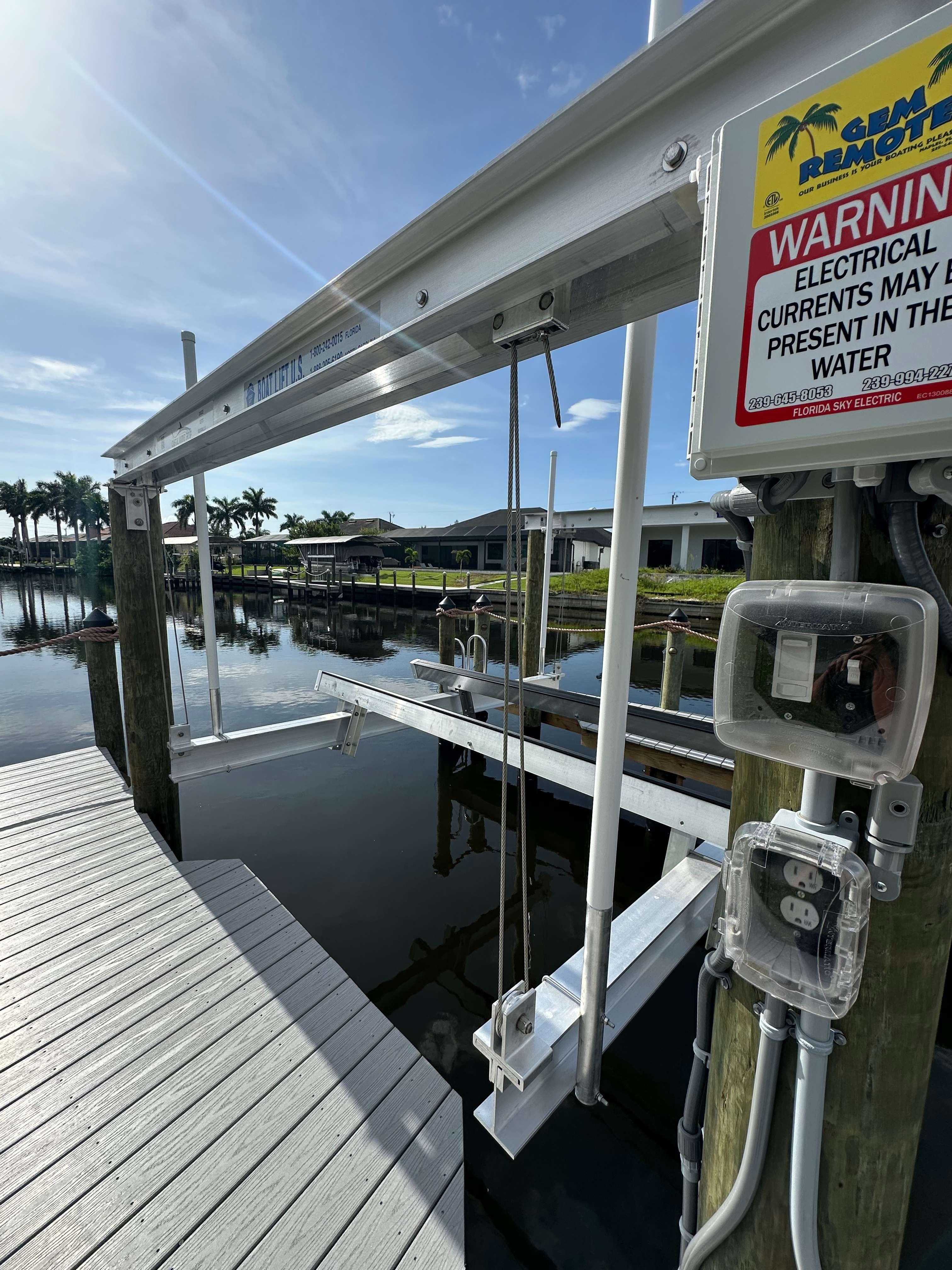
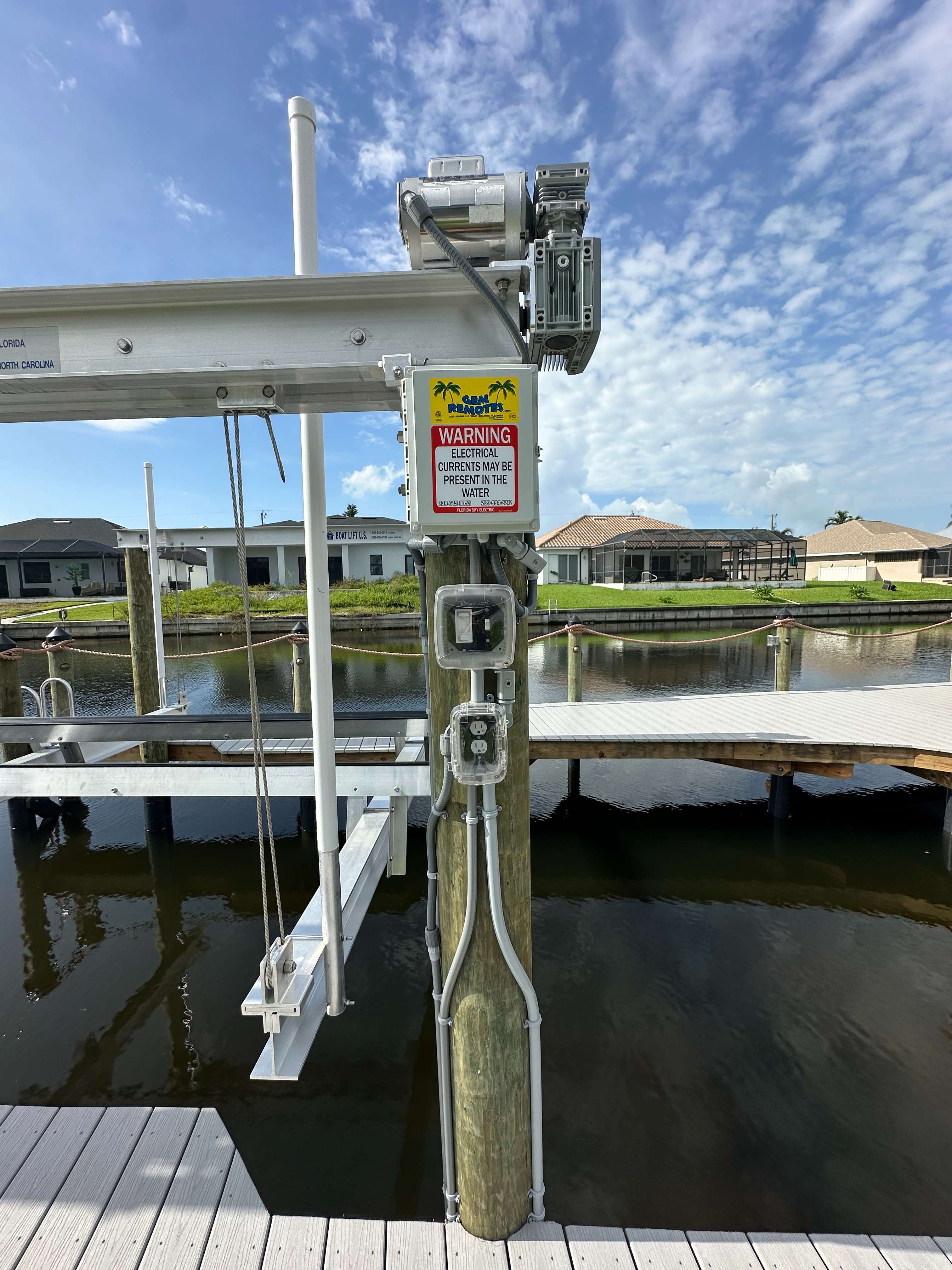
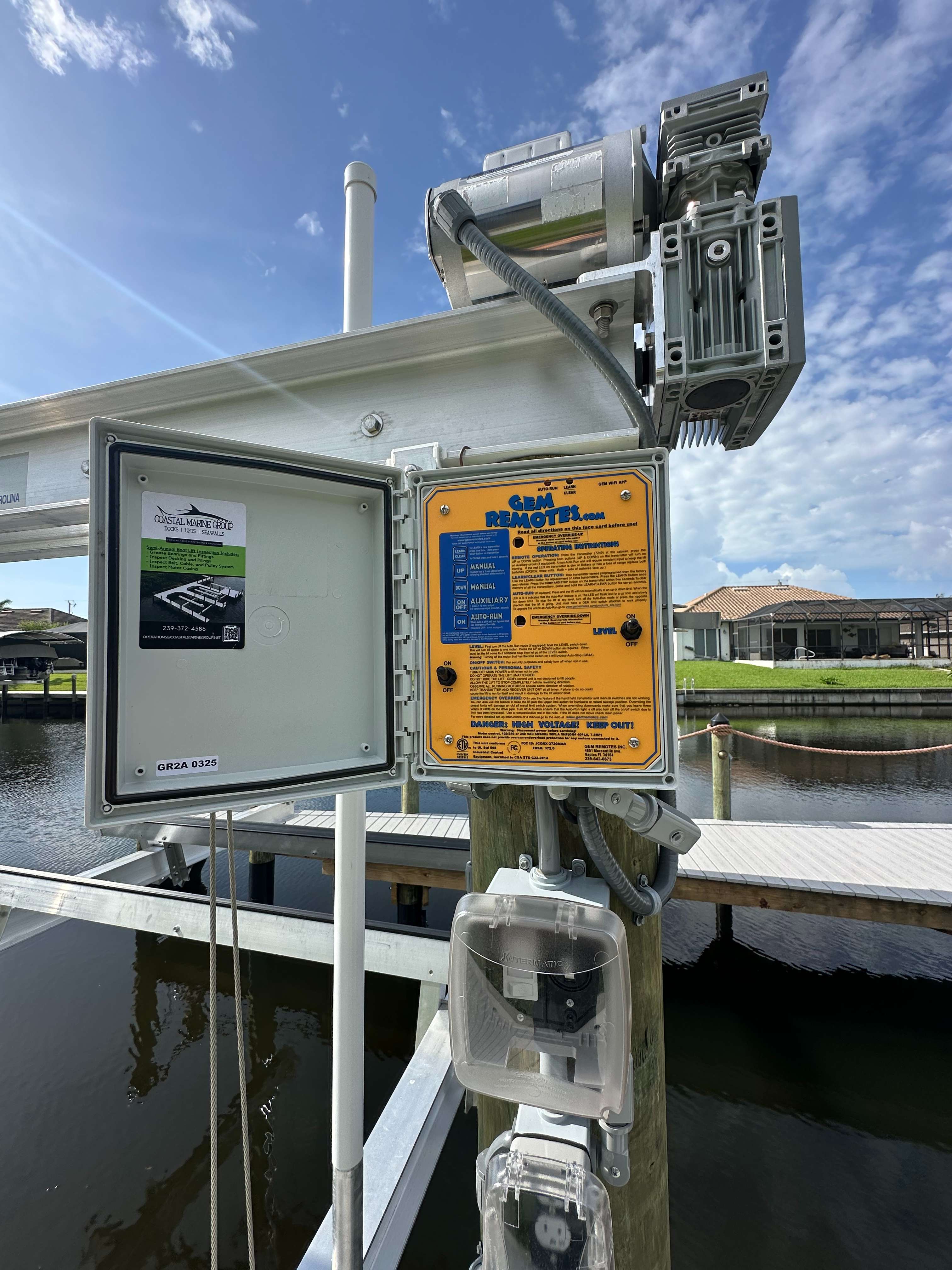
A6: Yes, we replace pilings and fix lifts. Many lifts depend on strong pilings.
Q7: How fast can you check my dock?
A7: Pretty quick. We’re close by and can visit homes near our office on SE 47th Terrace.
Call Coastal Marine Group today!
424 SE 47th Terrace A, Cape Coral, FL 33904, United State FL

Your Questions, Answered
Everything you need to know about working with a professional marine contractor.
Yes, virtually all marine construction in Florida requires permits. The good news? We handle the entire permitting process for you, including applications, engineered drawing, and environmental compliance.
Timeline varies by project scope, but most residential docks take 2–4 weeks from permit approval to completion. Seawalls typically take 1–3 weeks. We provide a detailed timeline during your consultation.
Florida's saltwater environment, hurricane exposure, tidal fluctuations, and marine borers require specialized materials and construction techniques. Generic solutions from other regions simply won't last here.
Every project is custom-designed for your specific needs and site conditions. We provide transparent, detailed estimates with no hidden fees. Contact us for a free consultation.
Yes, we operate year-round. However, we may adjust schedules during active storm threats for safety. We also offer emergency repair services for storm damage.
Often, strategic repairs can extend the life of your structures. During your free consultation, we'll assess the condition and recommend the most cost-effective solution.
Absolutely. We carry full liability insurance and workers' compensation coverage. You're protected throughout the entire project.
Serviced Areas
Strategically positioned to serve the entire Southwest Florida shoreline with precision engineering and rapid deployment.
Explore Other Services