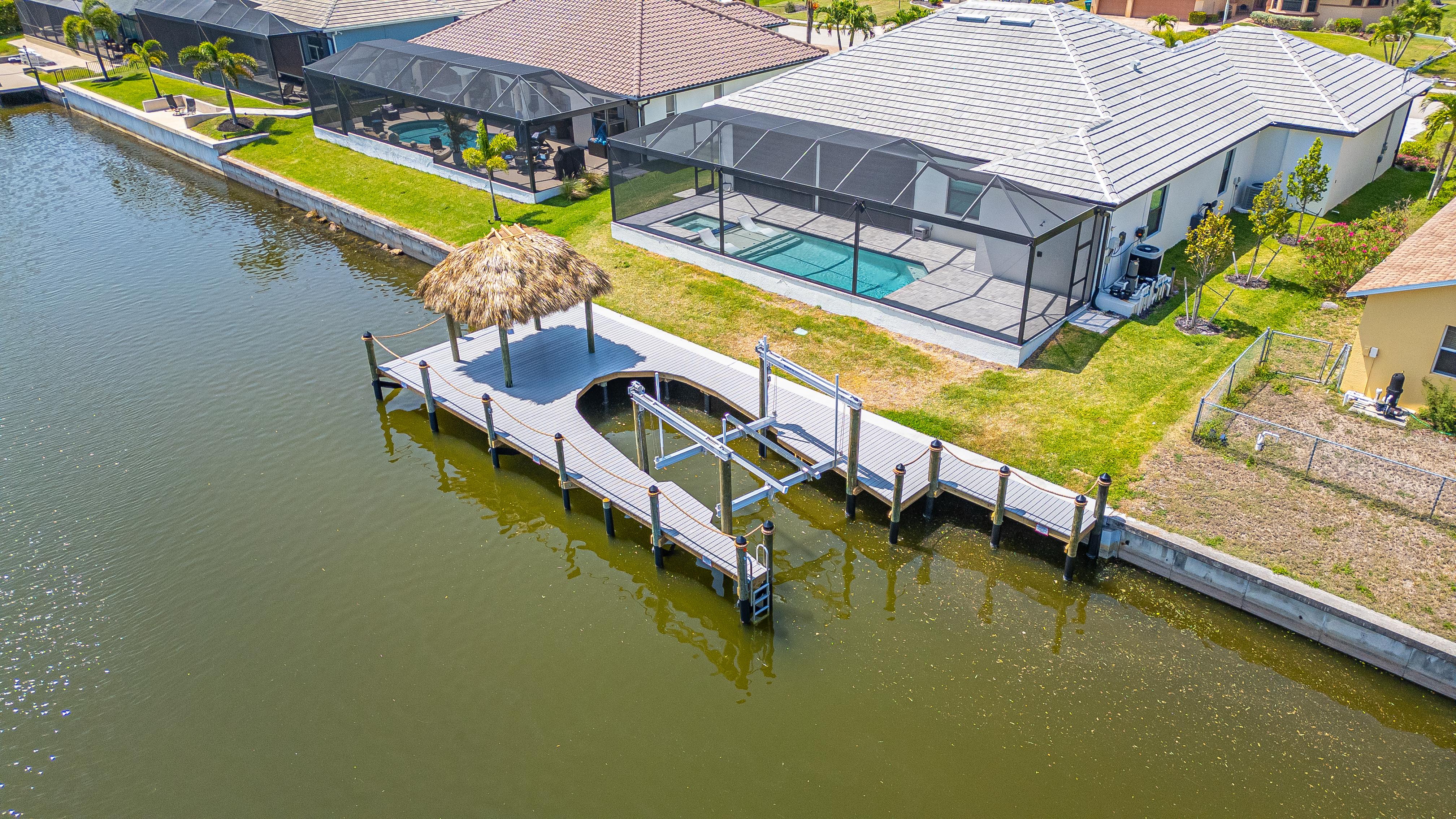
Dock Re-Leveling in Cape Coral, FL
Learn More →
Coastal Marine Group
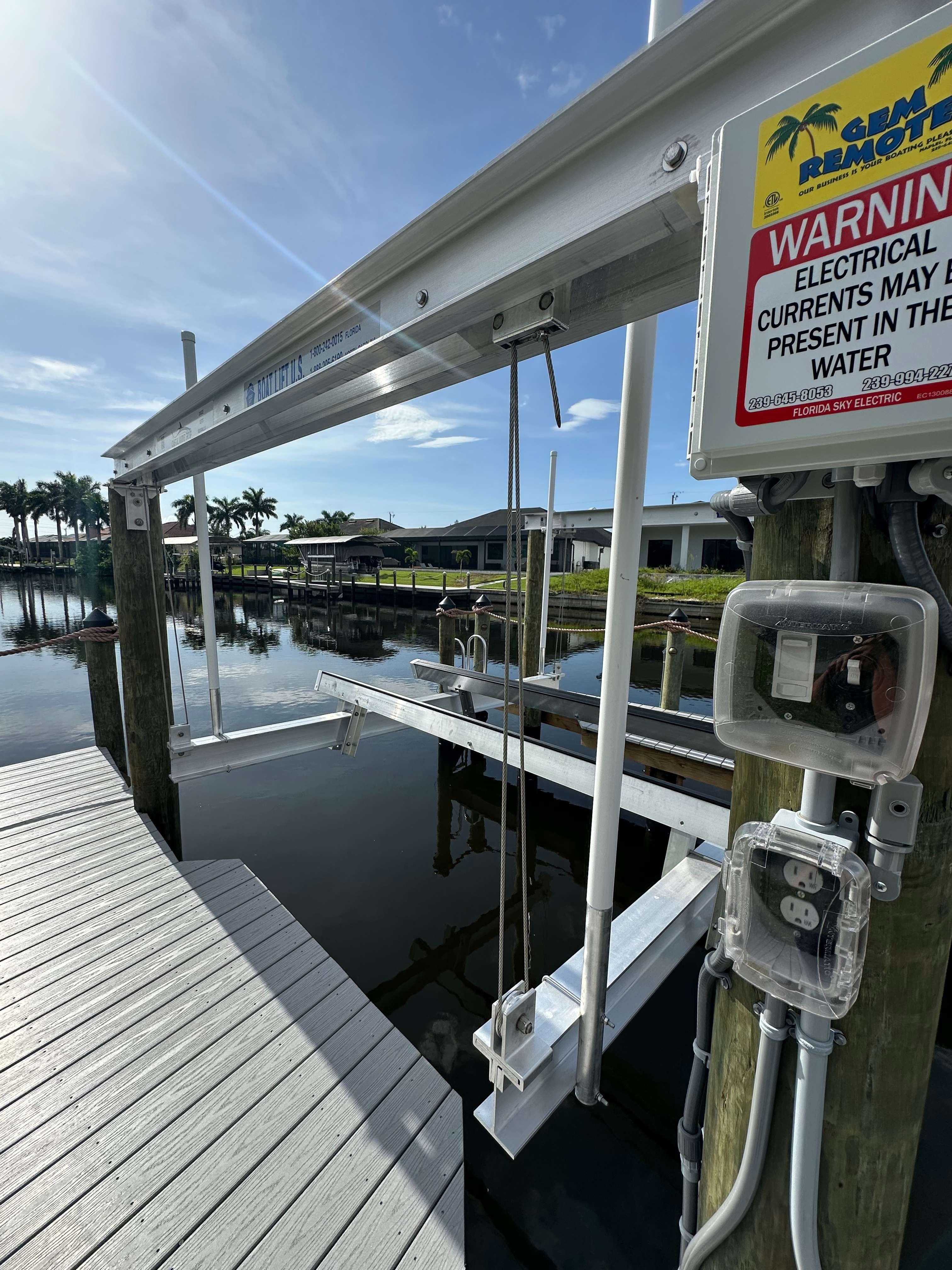
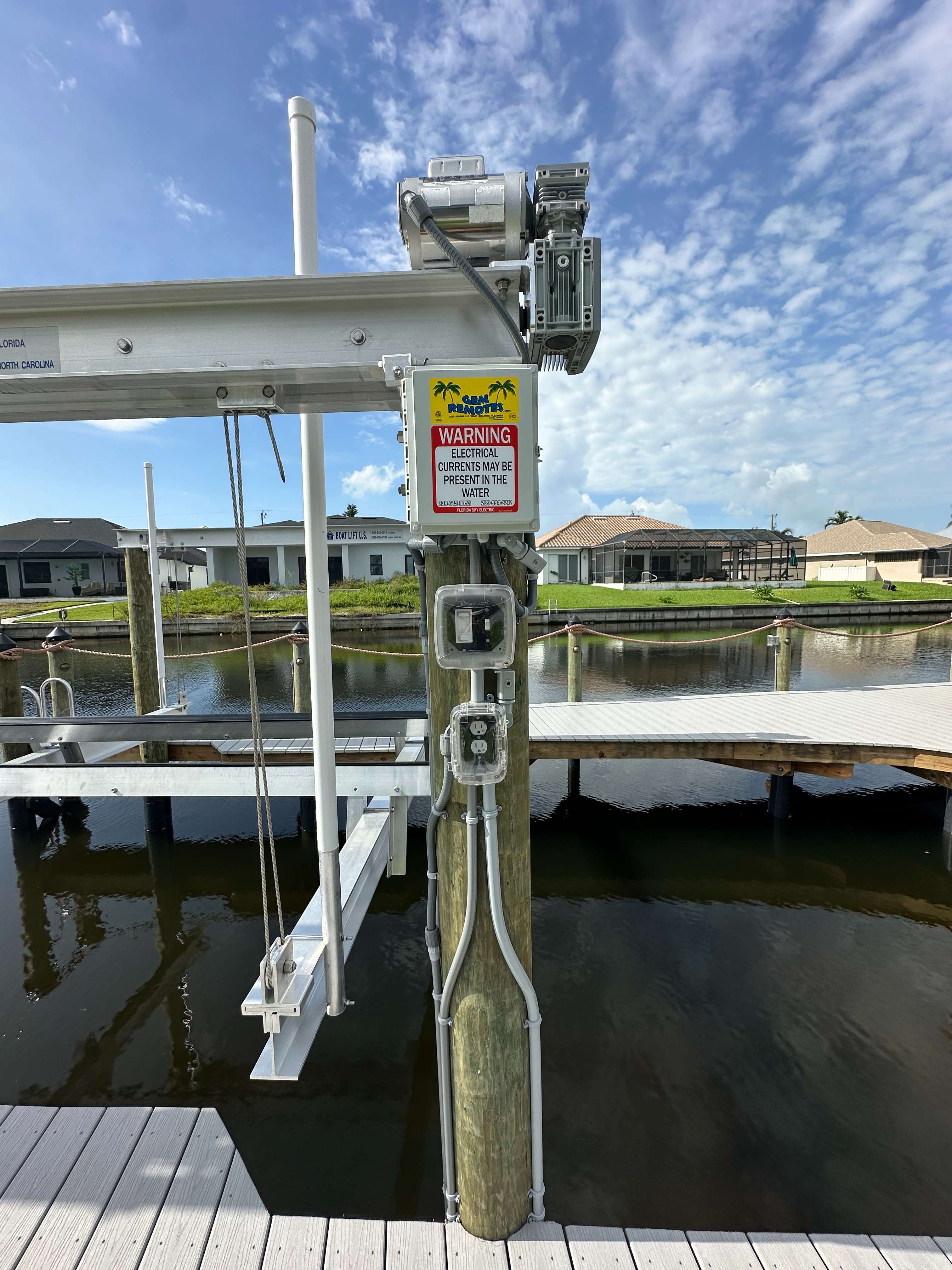
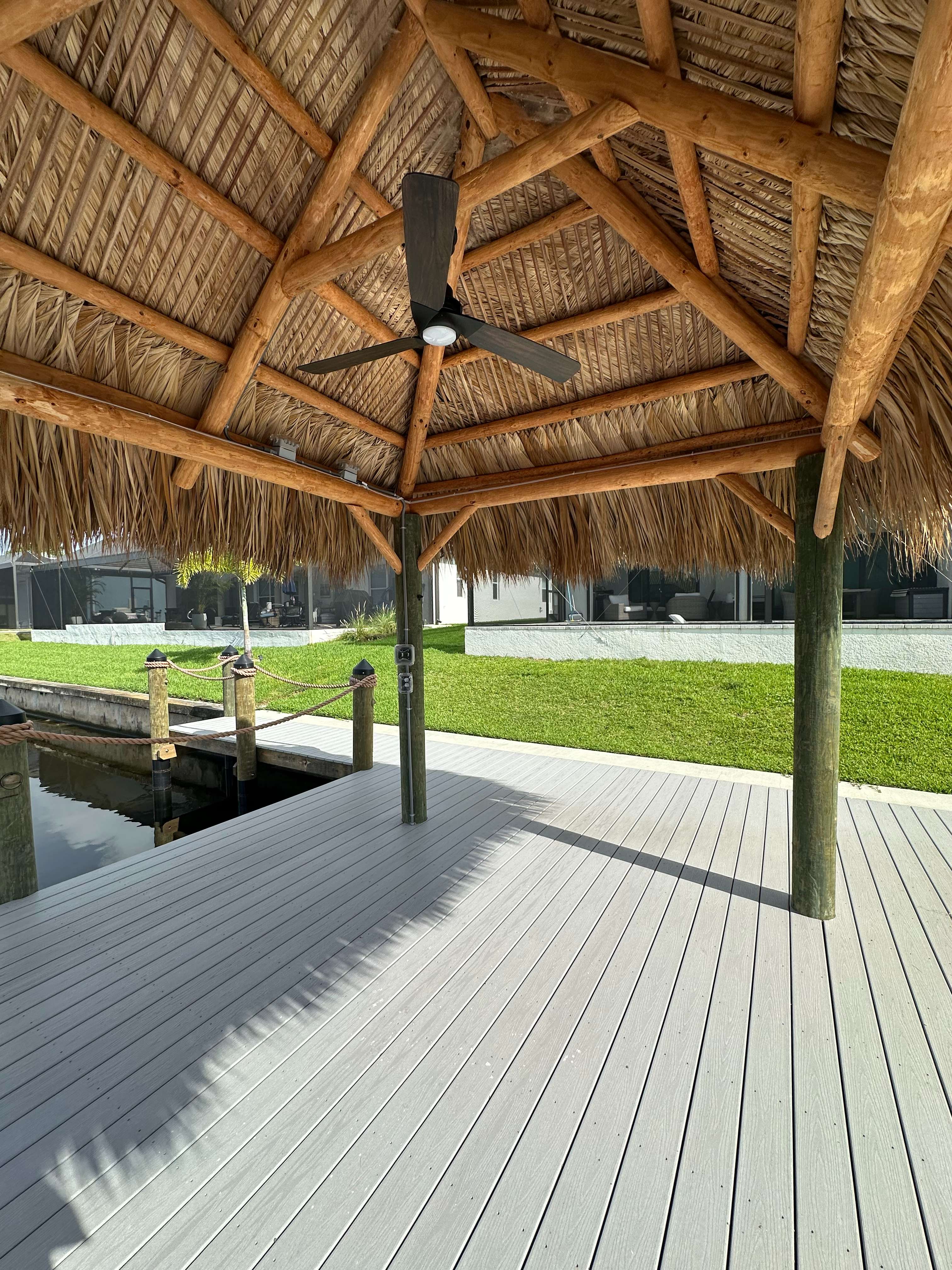
Next
And here's some amazing content. It's very engaging. Right?
What Dock Re-Leveling Means for Cape Coral Homeowners
Dock Re-Leveling is one of them things folks don’t wanna think about till the dock starts lookin’ like it’s had a rough night. I been in this work for years at Coastal Marine Group, and I seen docks lean, droop, sag, dip, tilt, slant… pretty much every angle you can imagine in Cape Coral. Re-Leveling is when we fix a dock so it sits even again. Sounds simple, but the water, tides, soil, and old hardware make it kinda tricky.
Some homeowners think their dock is just “settlin’,” like an old couch cushion. But a crooked dock ain’t just ugly — it messes with the pilings and can become unsafe. I’ve seen a guy almost spill his cooler into the canal just from takin’ one wrong step on a tilted dock. He joked about it, but honestly he was pretty close to takin’ a swim.
When your dock ain't level, your boat sits funny too. Sometimes boats lean into the dock or pull away awkward-like. This puts pressure on the ropes, cleats, and pilings. And the longer it stays uneven, the more the whole structure starts wearin’ away.
I talk to folks in simple words, 'cause all they wanna know is “Can you fix it?” And yes — Dock Re-Leveling is somethin’ we do all the time around Cape Coral, especially near places like SE 47th Terrace, Cape Coral Parkway, and the canals by Bimini Basin.
Why Docks Sink, Tilt, or Go Crooked in Cape Coral
Some people think a dock goes crooked just 'cause it’s old, but there’s way more goin' on. Water, soil, sun, wind, boats — they all fight the dock every day. And Cape Coral water has its own personality.
These canals ain’t calm like a swimming pool. Boat wake hits docks constantly. Boats goin’ past on the bigger canals shake pilings. Even small boats make tiny waves that keep tappin’ the dock, kinda like someone nudgin’ your elbow over and over.
And down near the Four Freedoms Park area, the water moves different. Some houses there see more boat traffic than back canals. More waves means more pressure, and that makes docks shift. A dock don’t shift all at once — it starts tiny, maybe a half inch, then more.
Cape Coral soil ain't exactly rock solid everywhere. Some yards have sand-like soil that moves when tides go up and down. When the soil slides away from the base of the piling, the dock leans. And sometimes a single piling sinks deeper than the others. That’s when you see that classic “one-side-dippin'” problem.
I seen pilings sink on just one side of a T-shaped dock near the Yacht Club area. The homeowner thought someone bumped it with a boat. Nope — the dirt underneath just washed away slowly.
Bolts rust. Brackets loosen. Wood swells. Everything expands and shrinks in the heat and humidity. Hardware that holds the dock level gets tired. And once that stuff weakens, the deck that used to sit even starts saggin’ in spots.
Some docks are held together by hardware that looks like it came from someone’s junk drawer. I seen screws that were so rusted they looked like cinnamon sticks.


Story From a Dock Re-Leveling Job Near SE 47th Terrace
A guy livin' not far from 424 SE 47th Terrace A called me sayin’ his dock felt “tilty.” I liked his word choice — pretty accurate. When I came out, you could see the right side sittin’ lower. He said his wife refused to walk on the right side 'cause she said she “ain’t fallin’ in for no reason.” Turns out, two pilings on that side had sunk about three inches. That might not sound like much, but on a dock, it’s a ton.
We lifted the dock little by little, kinda like liftin’ a stubborn couch while tryin’ not to squash your fingers. Re-packed the soil, adjusted the hardware, and set the supports right again. When we finished, his wife stepped on it and said, “Feels normal now.” Which is kinda the best compliment you can get.He told me later he didn’t realize how uneven it was till he saw it level again. That happens a lot
How Cape Coral Weather Messes With Dock Levels Through the Seasons
Cape Coral weather has mood swings. Makes docks shift all year. Spring tides can get high, and when water rises and falls fast, pilings shake loose. I seen docks tilt more in spring than some people expect. You’ll hear boards creak louder 'cause the wood soaks up moisture. Summer storms? They push docks around like toys. Wind blows waves hard into the sides. If your dock was already a little uneven, summer storms make it way worse. Sometimes after heavy rain, the dirt under a piling gets soft. The dock leans more right after, and folks don't always notice till they see the boat holder sitting crooked. Fall brings weird water levels. Some days high, some days low. The ground gets wet and dry in cycles, making the soil shift. Garage docks wobble in fall. Winter ain’t cold like up north, but it does cool down. Wood shrinks a bit. Hardware tightens or loosens. Some docks shift just a smidge, which adds up over time. One guy near Cape Coral Parkway swore his dock only leans in winter. I thought he was exaggeratin’. Turns out, he was right.
What I Look For During Dock Re-Leveling
Re-Leveling ain’t guesswork. I walk the dock slow, almost like I’m tip-toein’ on purpose. I check every inch because even the tiny problems matter.Pilings are the bones of the dock. If they’re uneven, everything above them is uneven. Sometimes they sink unevenly, or sometimes the tops shift while the bottoms stay still.When a dock ain’t level, boards start pulling and twisting. If I see gaps or cracked boards, I know the dock moved. Stringers and joists support the boards. If they’re bent or sitting at funny angles, that’s a sign the dock settled wrong.Bolts rust, brackets crack, nails back out. Rust here in Cape Coral works fast. I tap hardware with a hammer and if it sounds hollow, I know it’s bad. Boat weight pulls a dock uneven if the lift ain’t set right. Some folks tighten one side more than the other, and that makes the dock tilt over time.
Contractor: How It Connects to Dock Re-Leveling

Google puts us under the Contractor category, which makes sense. A contractor ain’t just a builder — it’s someone who shows up, looks at a messed-up structure, and figures out how to fix it without makin’ things worse.
As a contractor in Cape Coral, I see a ton of docks that look okay on the surface but are leanin’ underneath. Being in this category helps customers know we do hands-on repairs, not just fancy talk.
Local Spots Around 424 SE 47th Terrace A That Affect Docks
The water around SE 47th Terrace, Bimini Basin, and Four Freedoms Park behaves different in each neighborhood. Some canals get high boat wake. Some get algae buildup. Some flood easier. I learned these patterns after years working right here.
Folks around the Yacht Club area often see docks tilt faster ’cause of traffic from bigger boats. Meanwhile, homes off Cape Coral Parkway see soil move more after heavy rain.
Every neighborhood gives the docks its own problems.
FAQ
Q1: How often should I get Dock Re-Leveling near 424 SE 47th Terrace A?
A: Once a year is smart. Water and soil move a lot in this area, so docks tilt without people seein’ it happen.
Q2: Why is my dock leaning?
A: Pilings sink, soil shifts, or storms push it. Even small waves can tilt a dock over time.
Q3: Does my boat affect the dock level?
A: Yes. A heavy boat or uneven boat lift can pull the dock sideways.
Q4: Can storms near Bimini Basin mess up my dock level?
A: For sure. Waves and wind shake docks a bunch in that area.
Q5: Is Dock Re-Leveling dangerous to do myself?
A: Yep. Lifting a dock wrong can break boards or trap hands.
Q6: How long does Re-Leveling take?
A: Most docks take a few hours, but some take longer if pilings sunk deep.
Q7: Are you close to my home if I live near Cape Coral Parkway?
A: Yep. Our shop at 424 SE 47th Terrace A is real close to that area.
Call Coastal Marine Group today!
424 SE 47th Terrace A, Cape Coral, FL 33904, United State FL

Your Questions, Answered
Everything you need to know about working with a professional marine contractor.
Yes, virtually all marine construction in Florida requires permits. The good news? We handle the entire permitting process for you, including applications, engineered drawing, and environmental compliance.
Timeline varies by project scope, but most residential docks take 2–4 weeks from permit approval to completion. Seawalls typically take 1–3 weeks. We provide a detailed timeline during your consultation.
Florida's saltwater environment, hurricane exposure, tidal fluctuations, and marine borers require specialized materials and construction techniques. Generic solutions from other regions simply won't last here.
Every project is custom-designed for your specific needs and site conditions. We provide transparent, detailed estimates with no hidden fees. Contact us for a free consultation.
Yes, we operate year-round. However, we may adjust schedules during active storm threats for safety. We also offer emergency repair services for storm damage.
Often, strategic repairs can extend the life of your structures. During your free consultation, we'll assess the condition and recommend the most cost-effective solution.
Absolutely. We carry full liability insurance and workers' compensation coverage. You're protected throughout the entire project.
Serviced Areas
Strategically positioned to serve the entire Southwest Florida shoreline with precision engineering and rapid deployment.
Explore Other Services