Dredging Services in Cape Coral, FL – Coastal Marine Group
Learn More →
Coastal Marine Group
Next
And here's some amazing content. It's very engaging. Right?
What Are Dredging Services and Why They Matter in Cape Coral
Dredging services involve removing sediment, silt, and debris from canals, docks, and waterfront areas. In Cape Coral, FL, sediment buildup is common along SE 47th Terrace A and nearby canals. Dredging restores water depth, prevents flooding, and maintains navigation for boats.
A clean canal ensures safe access to your boat slip and keeps your waterfront property functional. One resident on Chiquita Boulevard noticed their dock was becoming unusable because of sediment buildup. After dredging, their dock is clear, and they can enjoy boating again without worrying about grounding.
Maintaining waterways also benefits local wildlife and water flow. For more about waterway maintenance and environmental guidelines, see Florida DEP Water Management (https://floridadep.gov/water).
Signs You Need Professional Dredging on Your Waterfront Property
Shallow water around your dock, muddy bottom, or difficulty launching boats are common signs. Residents on SE 47th Terrace often notice sediment accumulation after heavy rainfall.
Water stagnation and increased algae growth also signal the need for dredging. A homeowner near Cape Coral Yacht Club reported increased mosquito activity, which reduced after dredging restored water flow.
If boating activities are restricted due to silt or sediment, professional dredging can restore accessibility and safety.


Customer Stories from SE 47th Terrace and Surrounding Canals
A family on SE 47th Terrace had sediment build-up that made docking their boat difficult. Coastal Marine Group dredged the canal, and now they can dock anytime without worrying about getting stuck.
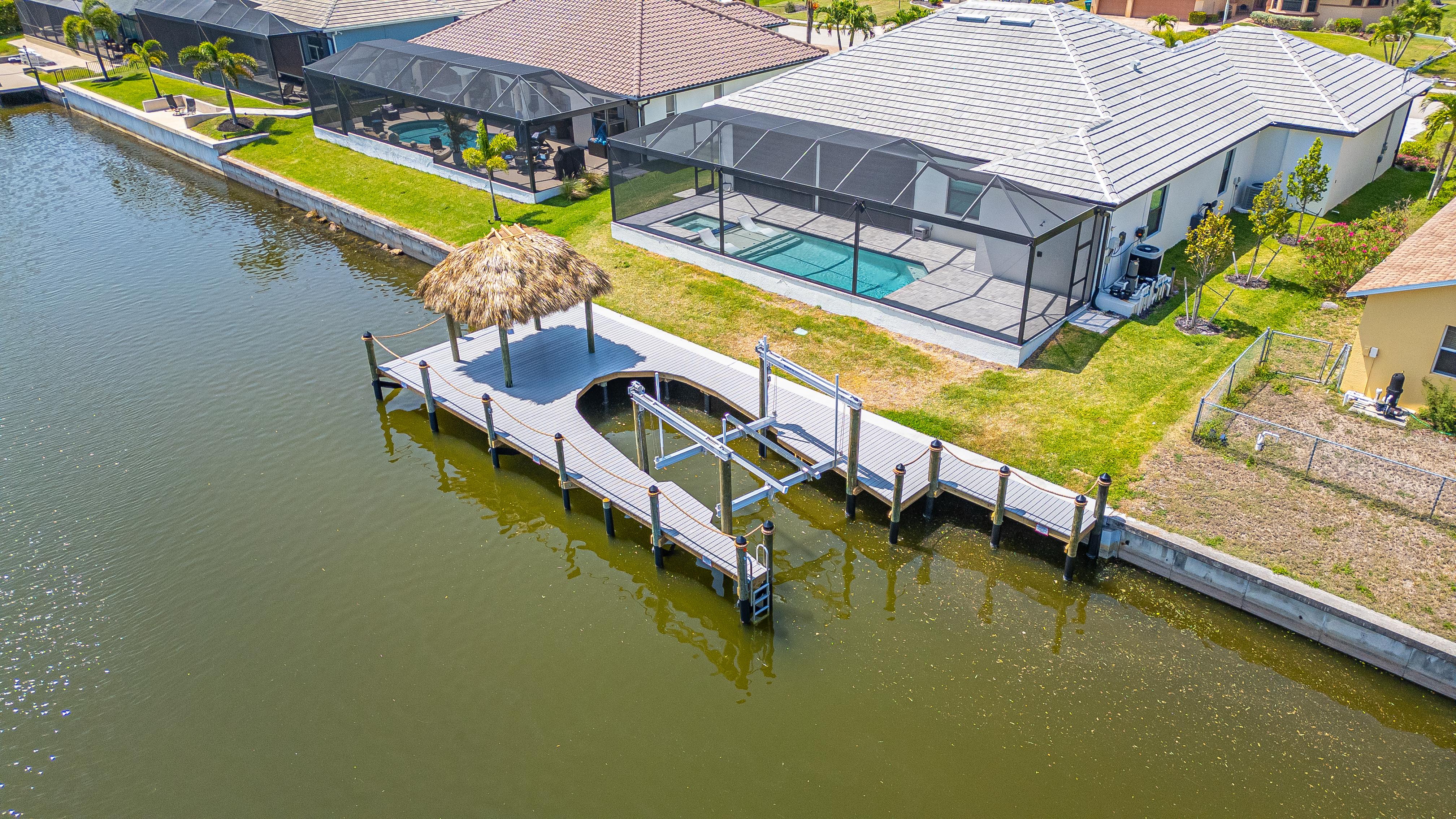
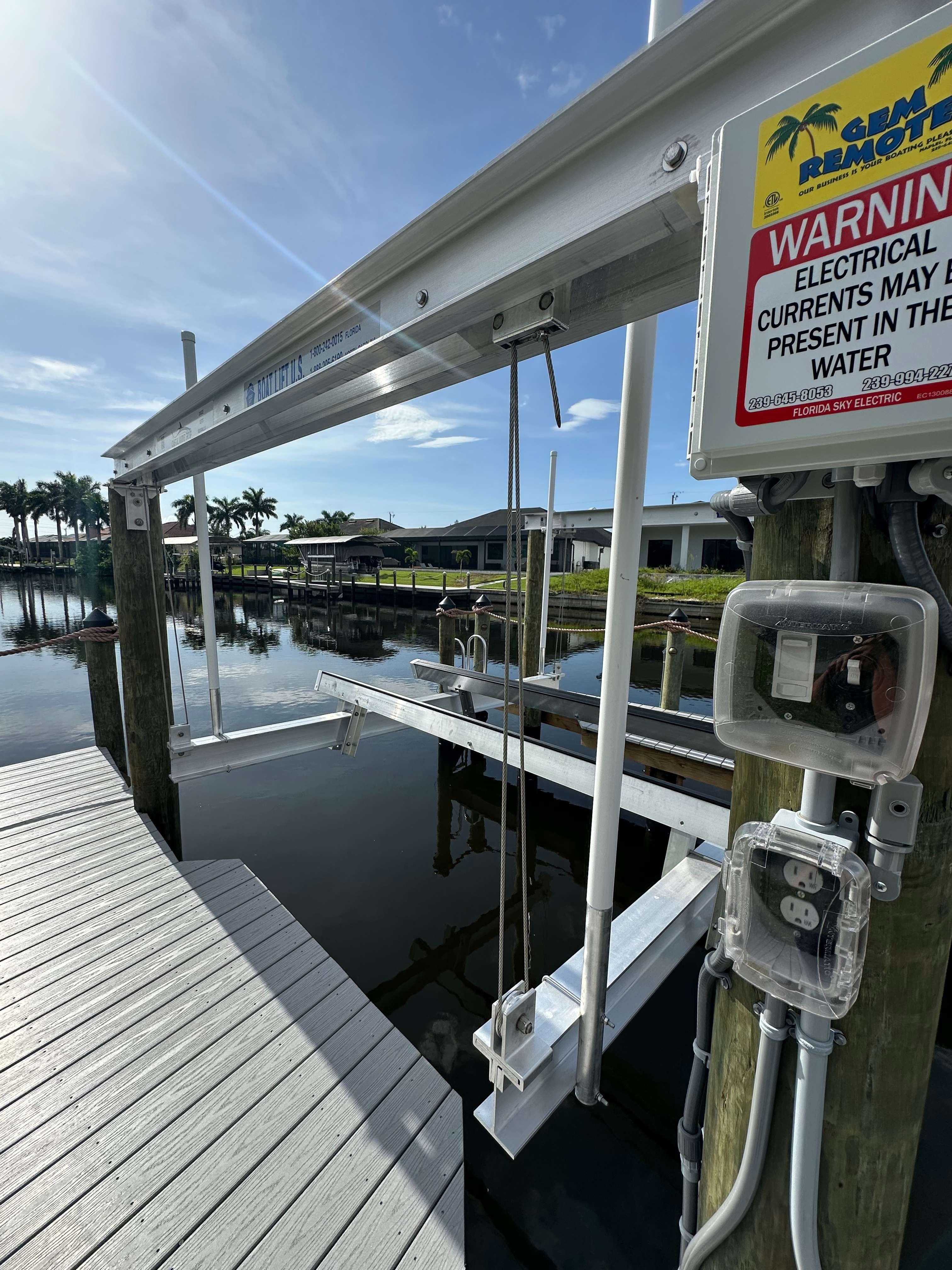
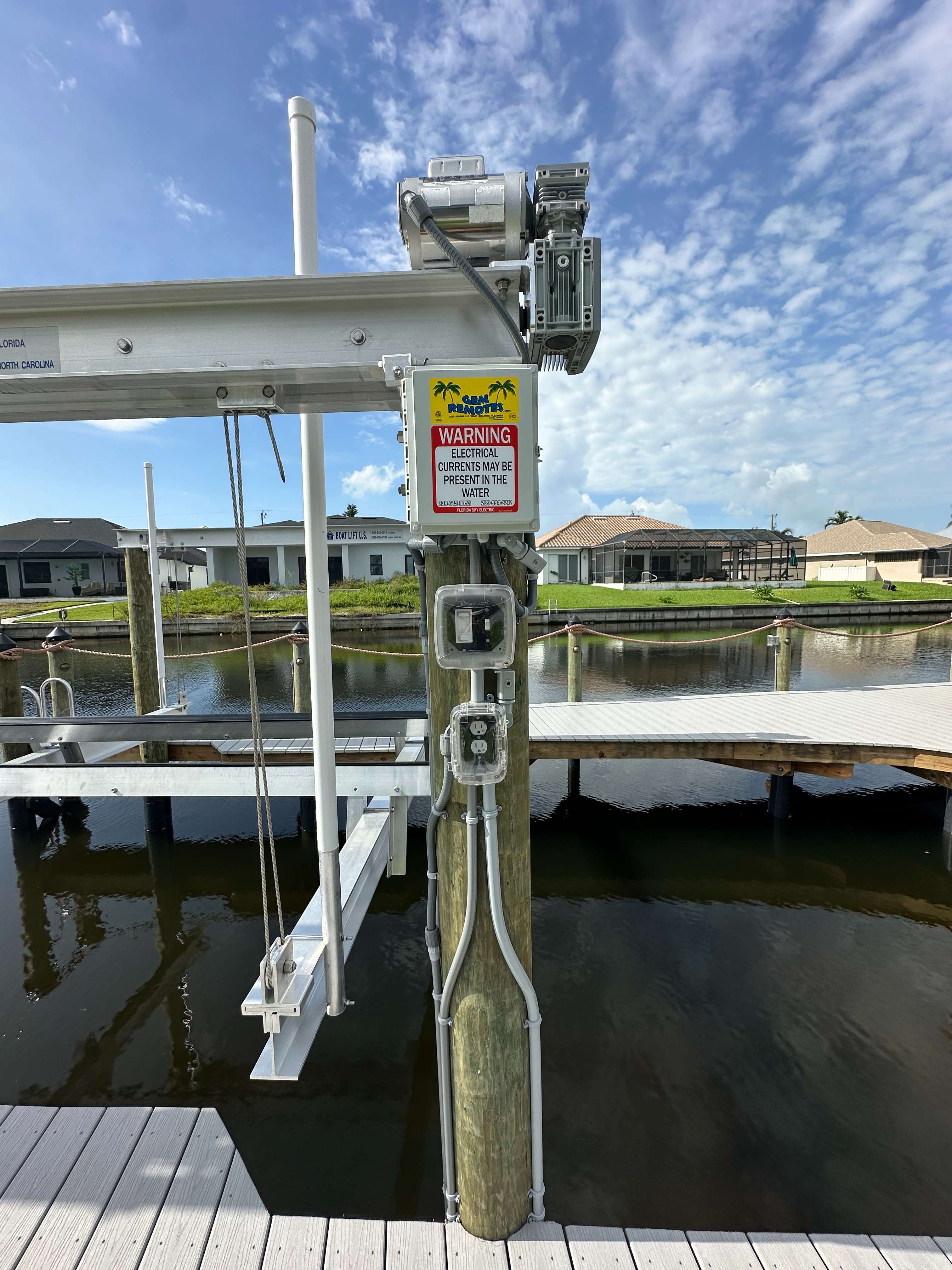
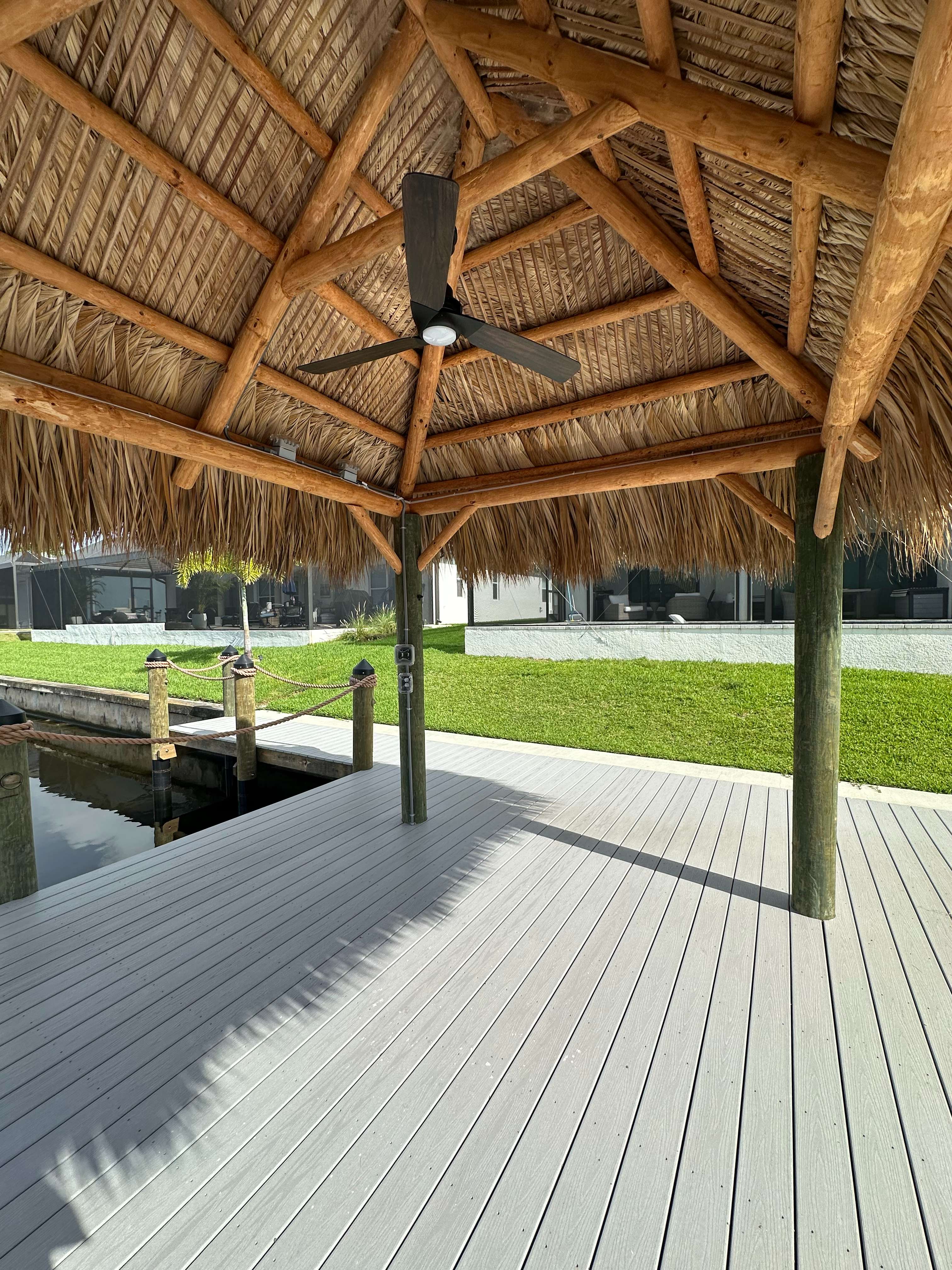
Another client near Chiquita Boulevard wanted a deeper canal to accommodate a larger boat. After dredging, they installed a boat slip and a tiki hut, combining depth and functionality for family gatherings.
A retiree near Cape Coral Yacht Club had a private fishing spot blocked by sediment. After dredging, the waterway reopened, and they now host weekend fishing trips with friends.
Seasonal Considerations for Dredging Projects in Cape Coral
Rainy season can worsen sediment buildup, so scheduling dredging after the wet months ensures canals remain clear. Summer heat and sun require workers to plan dredging during cooler hours, avoiding safety risks. Hurricane season is another concern. Strong storms can deposit debris in canals, making early dredging essential for waterfront property safety. Winter brings lower water levels in some canals, requiring careful planning to avoid disturbing local wildlife.
Dredging Techniques and Equipment Used by Coastal Marine Group
Coastal Marine Group uses mechanical dredging equipment and specialized barges to remove sediment efficiently. We also provide hydraulic dredging for areas where delicate operations are needed, minimizing impact on surrounding marine life. Equipment is chosen based on canal size, sediment type, and accessibility. Natural silt removal is handled differently than rocky sediment or debris-laden areas. For detailed best practices on sediment management, see EPA Sediment Management Guidelines (https://www.epa.gov/sediment).
Step-by-Step Dredging Process for Homeowners and Businesses

Step 1: Site evaluation to measure sediment depth, water flow, and access points. SE 47th Terrace residents often request pre-inspection photos to compare before and after.
Step 2: Equipment selection, ensuring minimal disturbance to neighbors and wildlife.
Step 3: Dredging execution with careful sediment removal. Water is often filtered before returning to canals to prevent contamination
Step 4: Final cleanup and optional canal maintenance. Sediment is removed from the site or relocated to approved areas.
Step 5: Post-dredging inspection to ensure proper depth and safety for boats and waterfront activities.
Environmental Compliance and Permit Requirements in Cape Coral
Dredging projects in Cape Coral must comply with local, state, and federal environmental regulations to protect waterways and marine life. Coastal Marine Group works within Florida DEP and City of Cape Coral guidelines to ensure all dredging activities are properly permitted and documented.
Many homeowners along SE 47th Terrace are surprised to learn that even small-scale dredging often requires approval. By handling permits and environmental compliance, Coastal Marine Group helps property owners avoid delays, fines, and unnecessary stress while keeping projects moving smoothly.
Proper compliance also ensures sediment is handled responsibly and disposed of in approved locations. This protects nearby canals, neighbors’ properties, and long-term water quality throughout Cape Coral.
Q&A
Q1: How long does a dredging project take?
Projects usually last 2–7 days depending on canal size and sediment amount.
Q2: Can dredging improve boating safety?
Yes, removing sediment ensures proper depth, preventing boats from grounding.
Q3: Is dredging harmful to wildlife?
We use careful techniques to minimize disruption, following local guidelines.
Q4: Do you provide permits for dredging?
Yes, Coastal Marine Group handles local permit requirements for Cape Coral waterways.
Q5: Can dredging be combined with dock projects?
Yes, many clients combine dredging with dock extensions or slip installations.
Q6: Do you offer sediment removal services?
Yes, sediment is safely removed or relocated to approved areas.
Q7: How often should canals be dredged?
Most residential canals need dredging every 5–10 years, depending on sediment buildup and water flow.
Call Coastal Marine Group today!
424 SE 47th Terrace A, Cape Coral, FL 33904, United State FL

Your Questions, Answered
Everything you need to know about working with a professional marine contractor.
Yes, virtually all marine construction in Florida requires permits. The good news? We handle the entire permitting process for you, including applications, engineered drawing, and environmental compliance.
Timeline varies by project scope, but most residential docks take 2–4 weeks from permit approval to completion. Seawalls typically take 1–3 weeks. We provide a detailed timeline during your consultation.
Florida's saltwater environment, hurricane exposure, tidal fluctuations, and marine borers require specialized materials and construction techniques. Generic solutions from other regions simply won't last here.
Every project is custom-designed for your specific needs and site conditions. We provide transparent, detailed estimates with no hidden fees. Contact us for a free consultation.
Yes, we operate year-round. However, we may adjust schedules during active storm threats for safety. We also offer emergency repair services for storm damage.
Often, strategic repairs can extend the life of your structures. During your free consultation, we'll assess the condition and recommend the most cost-effective solution.
Absolutely. We carry full liability insurance and workers' compensation coverage. You're protected throughout the entire project.
Serviced Areas
Strategically positioned to serve the entire Southwest Florida shoreline with precision engineering and rapid deployment.
Explore Other Services