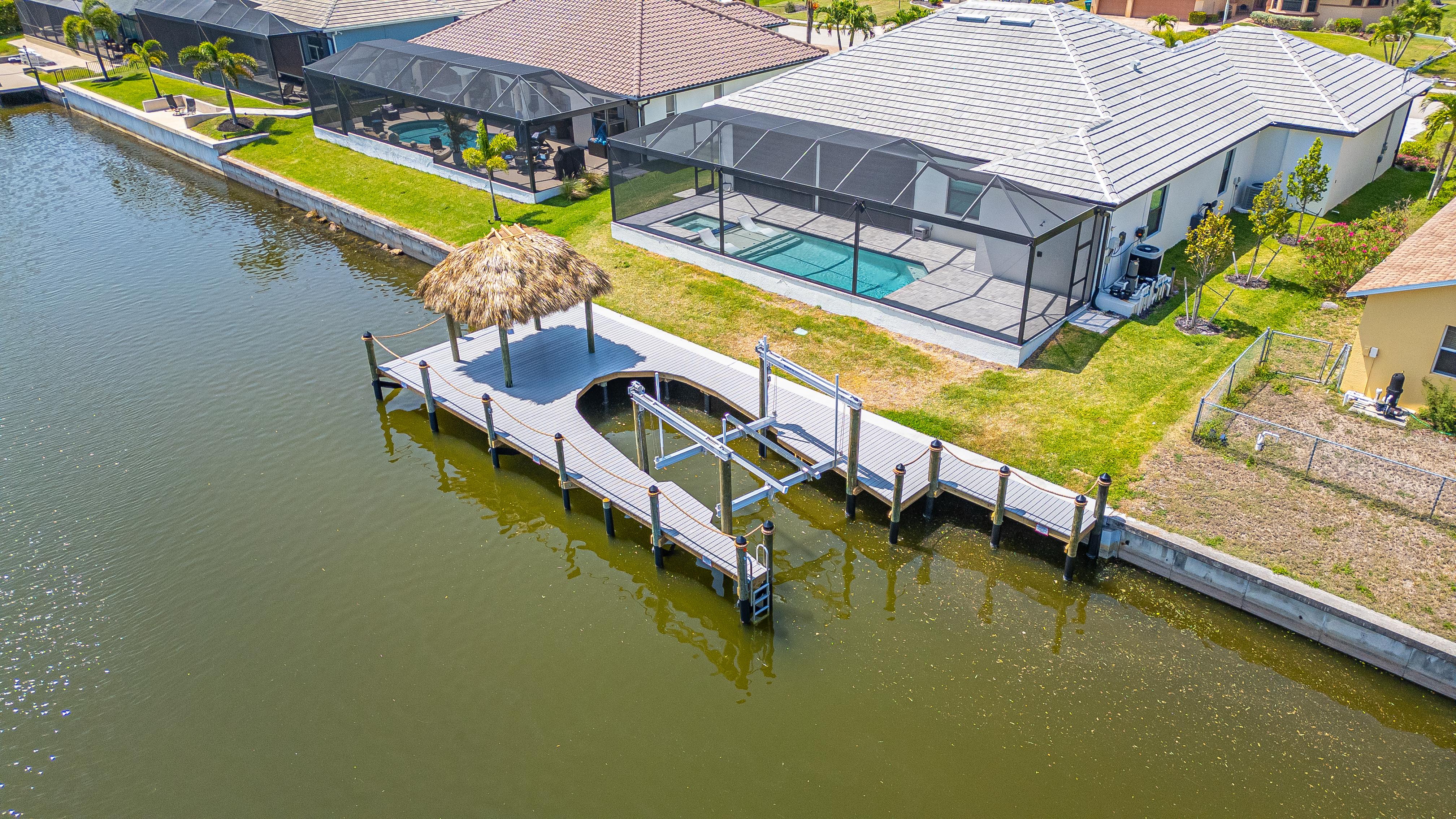
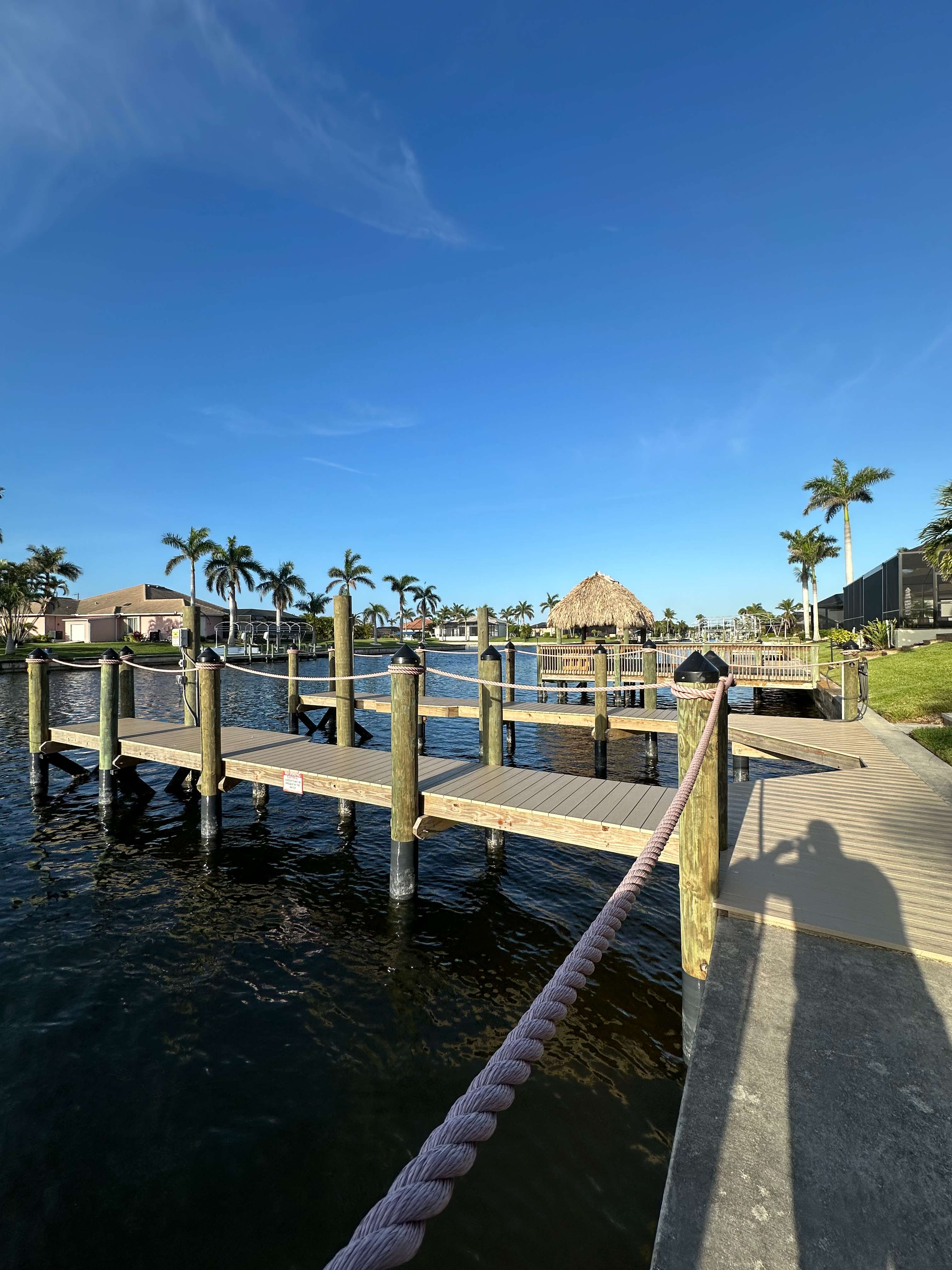
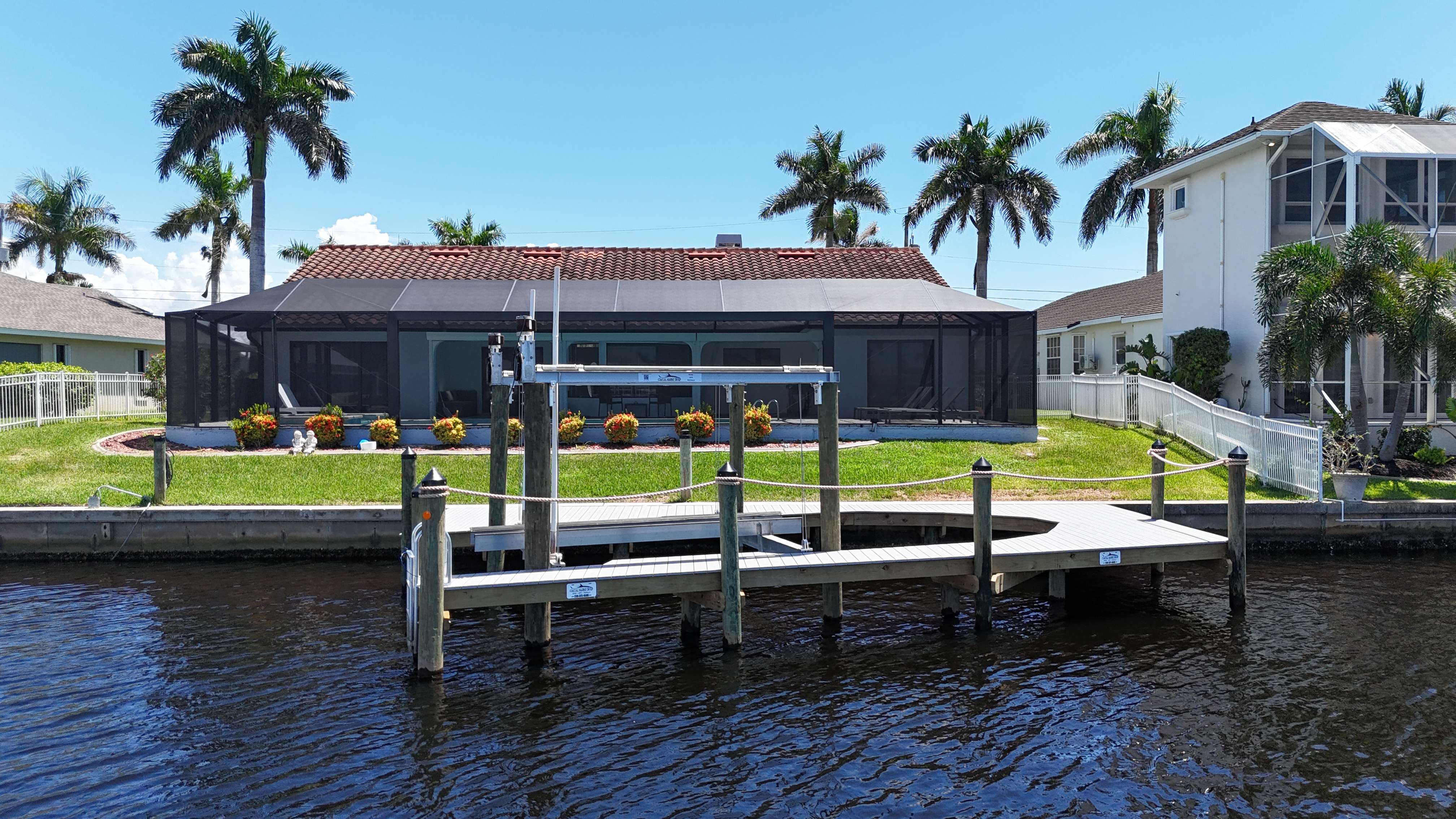
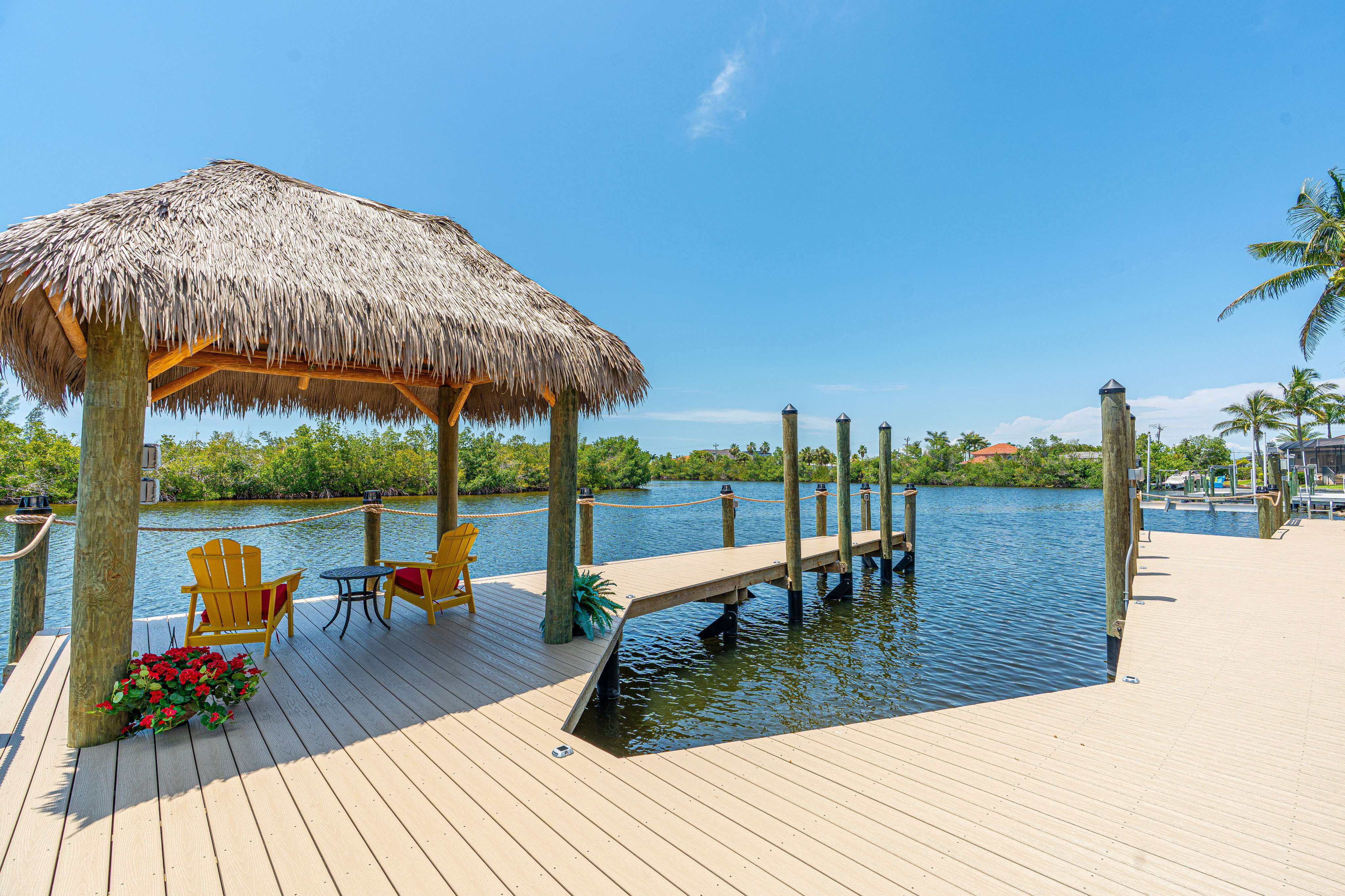
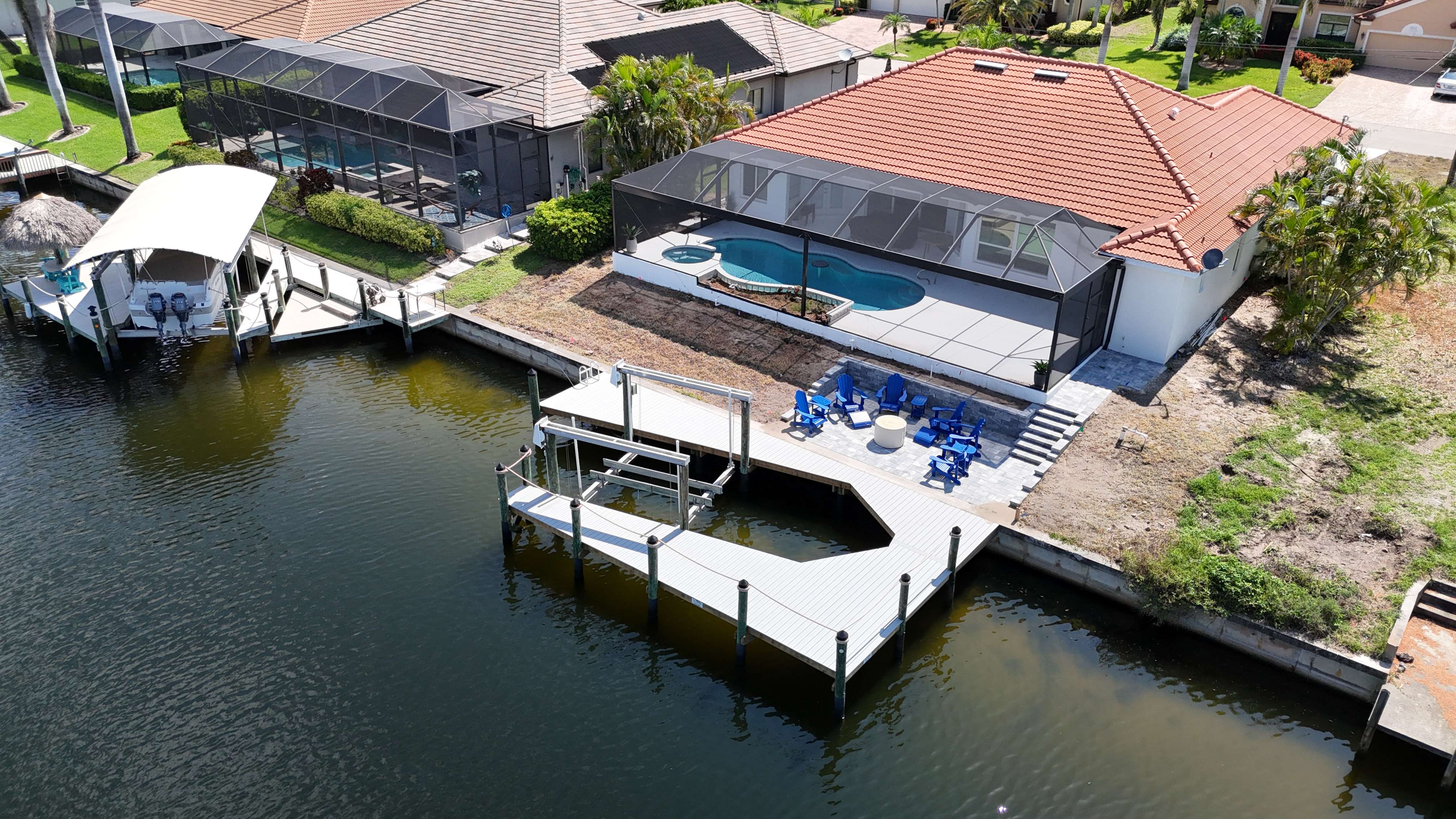
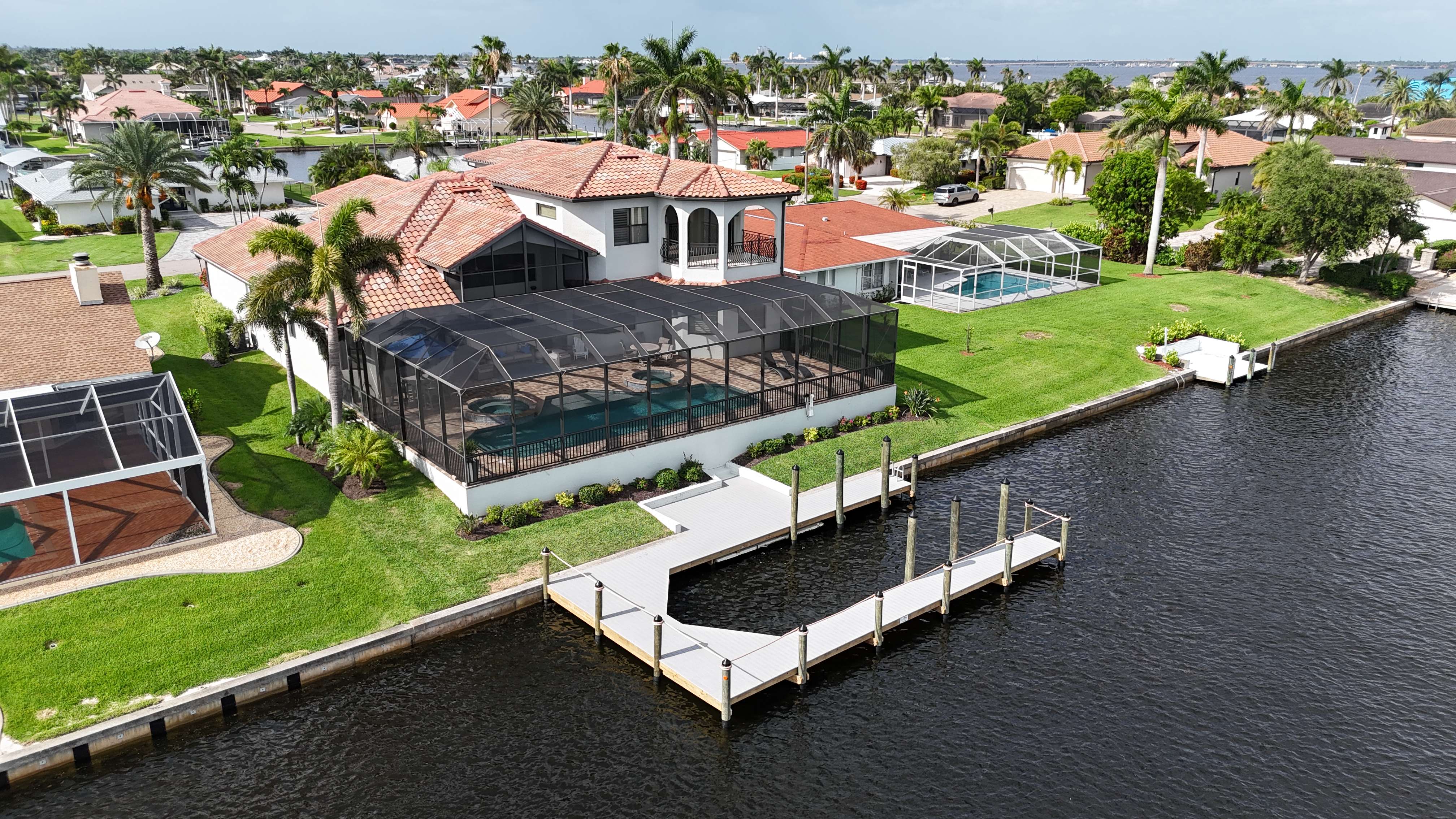
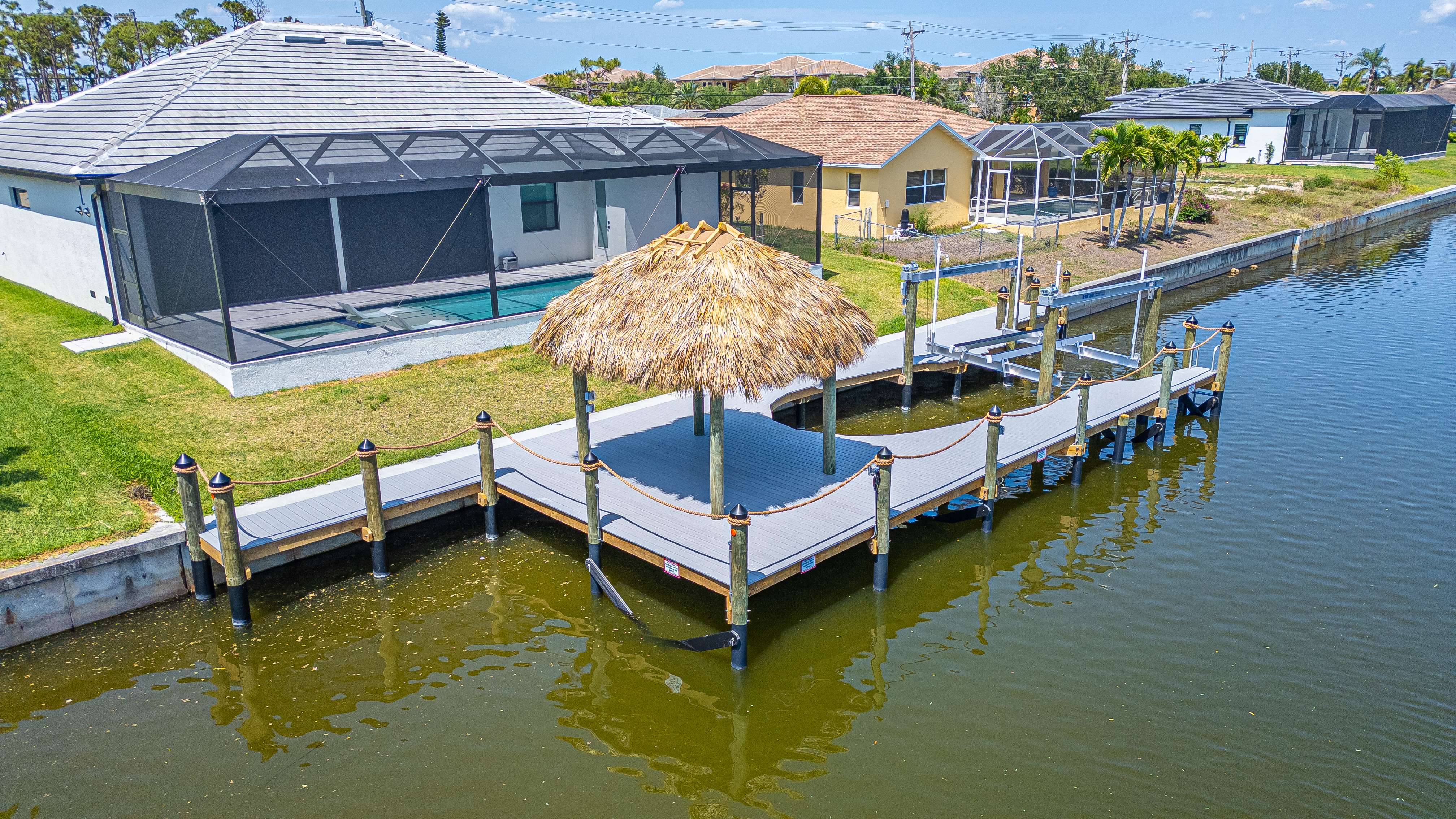
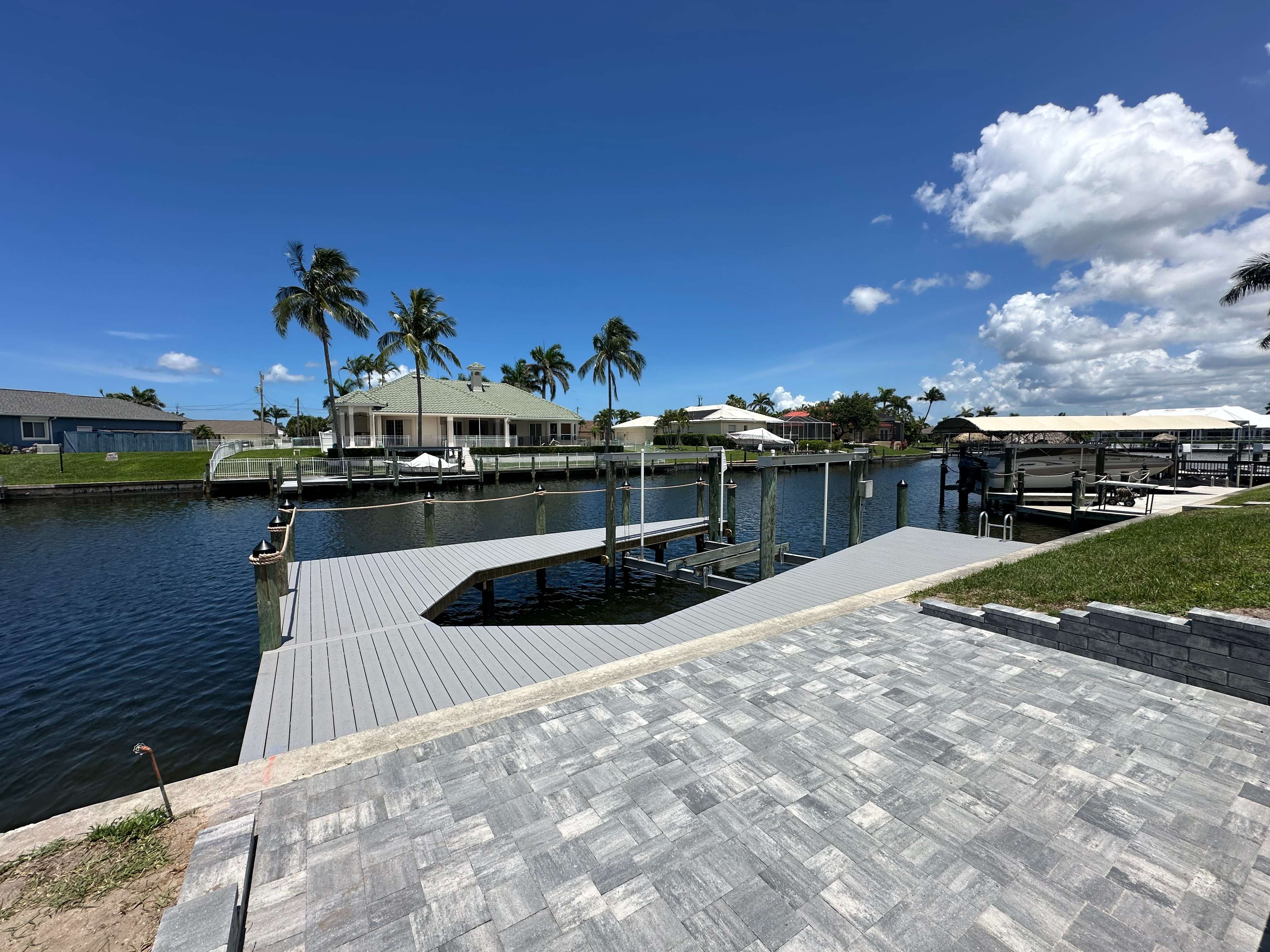
Floating Docks in Cape Coral, FL
Learn More →
Coastal Marine Group
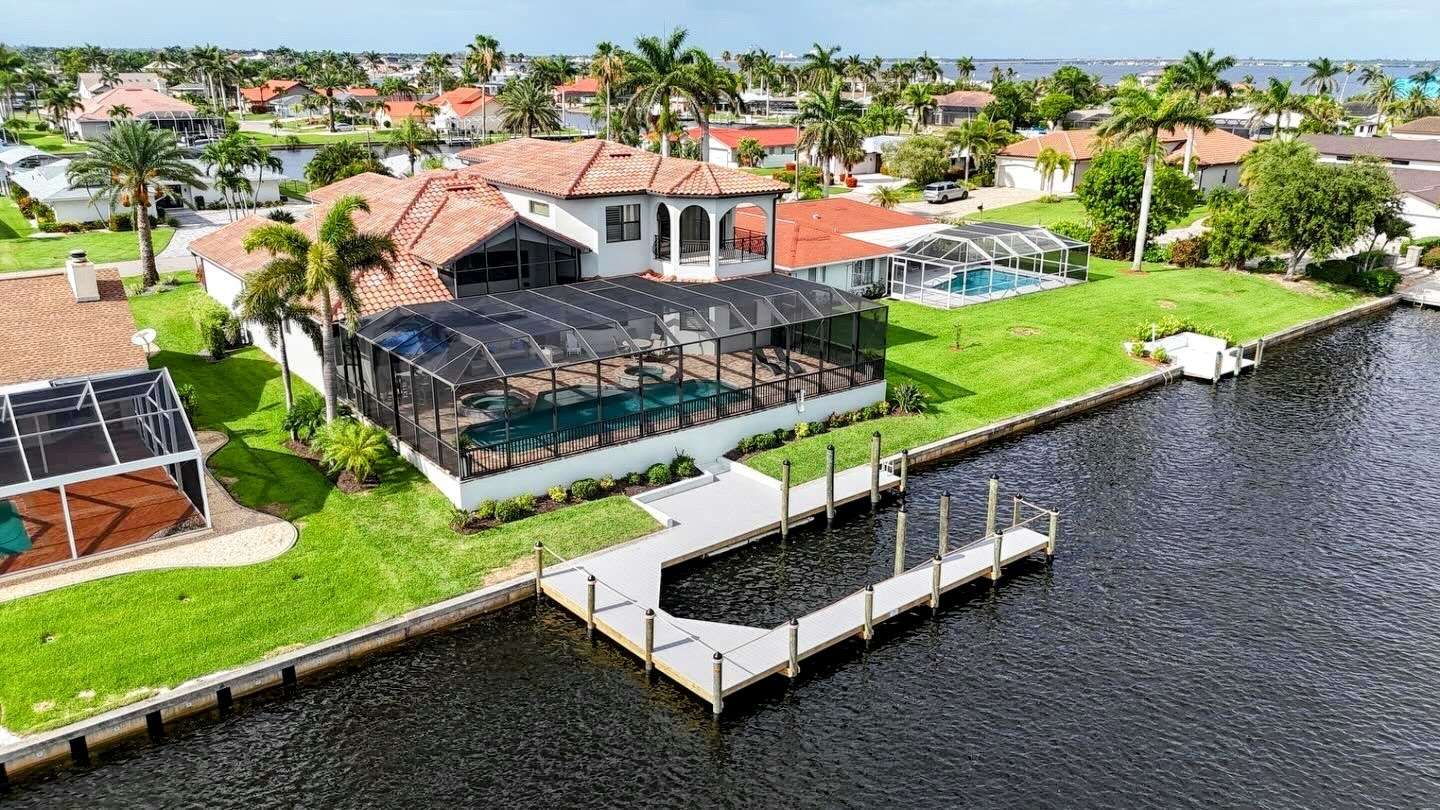
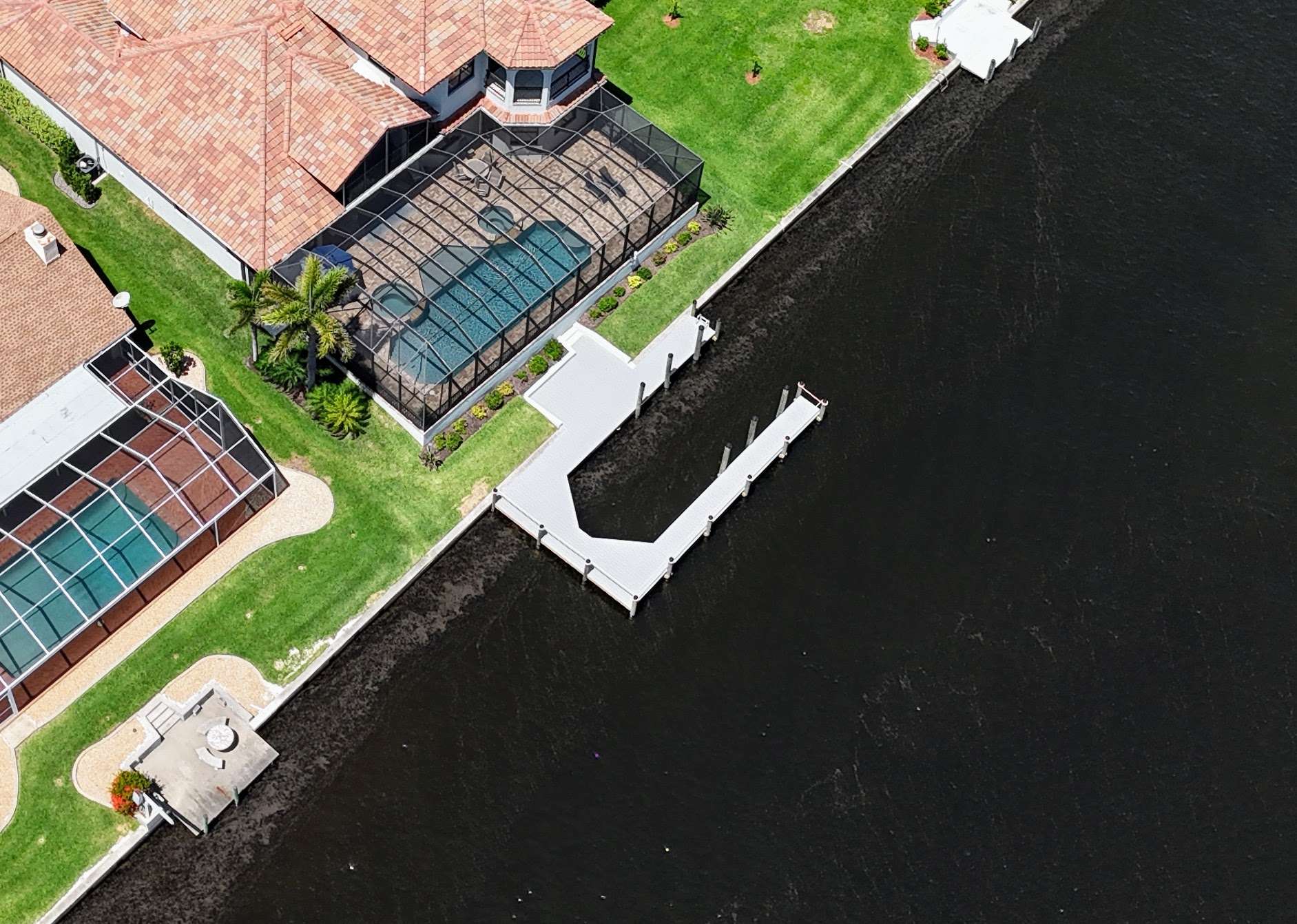
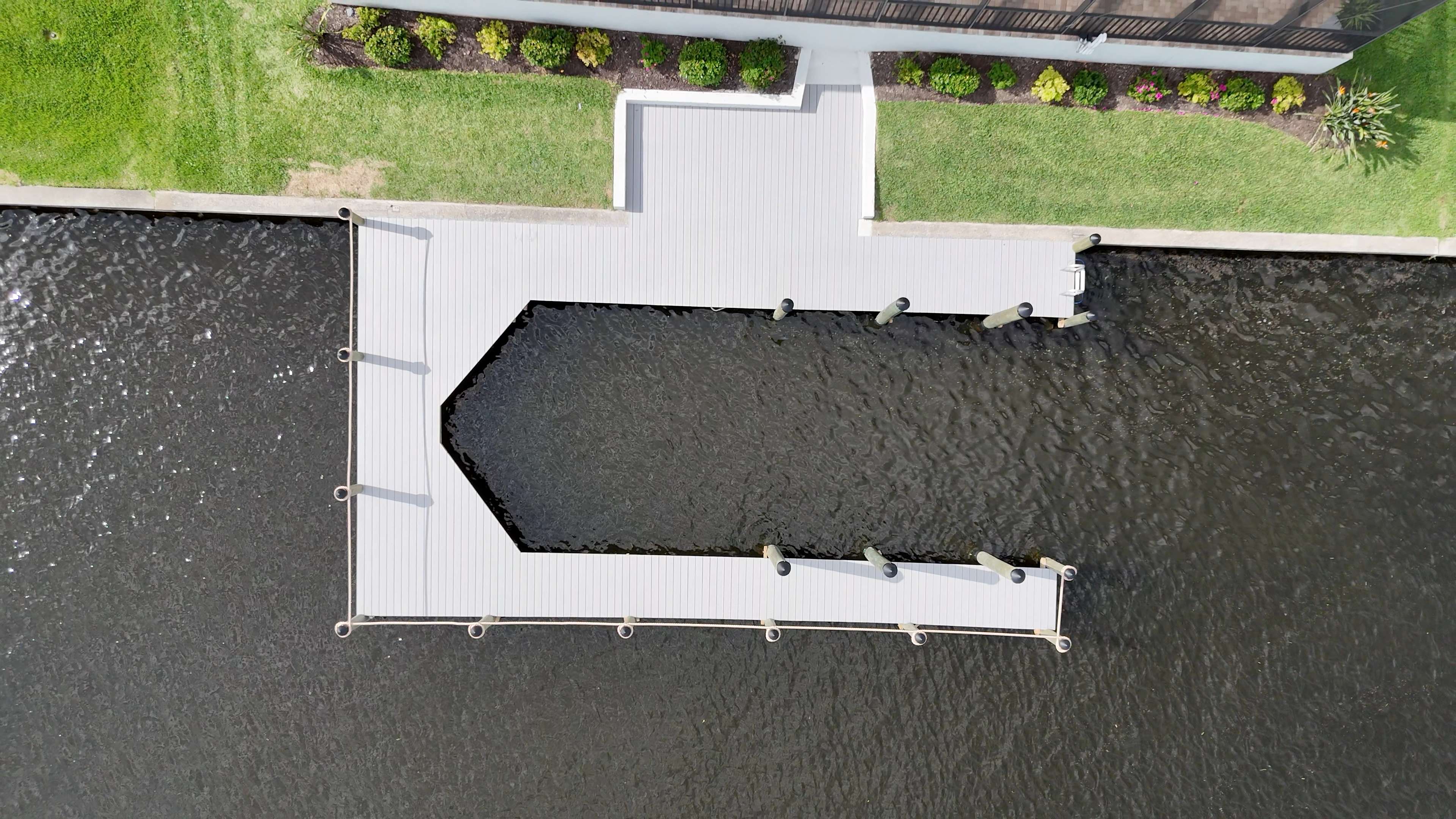
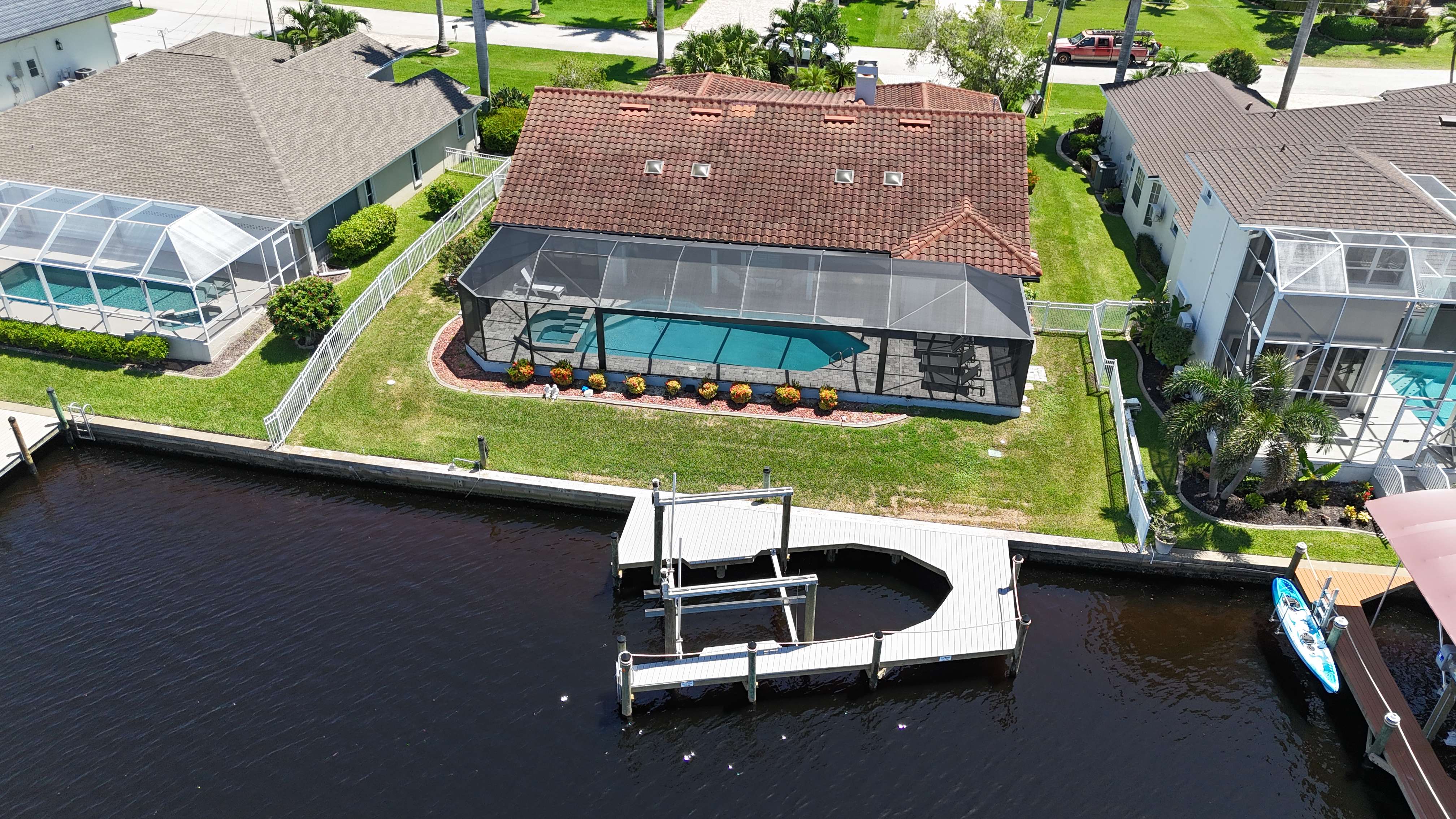
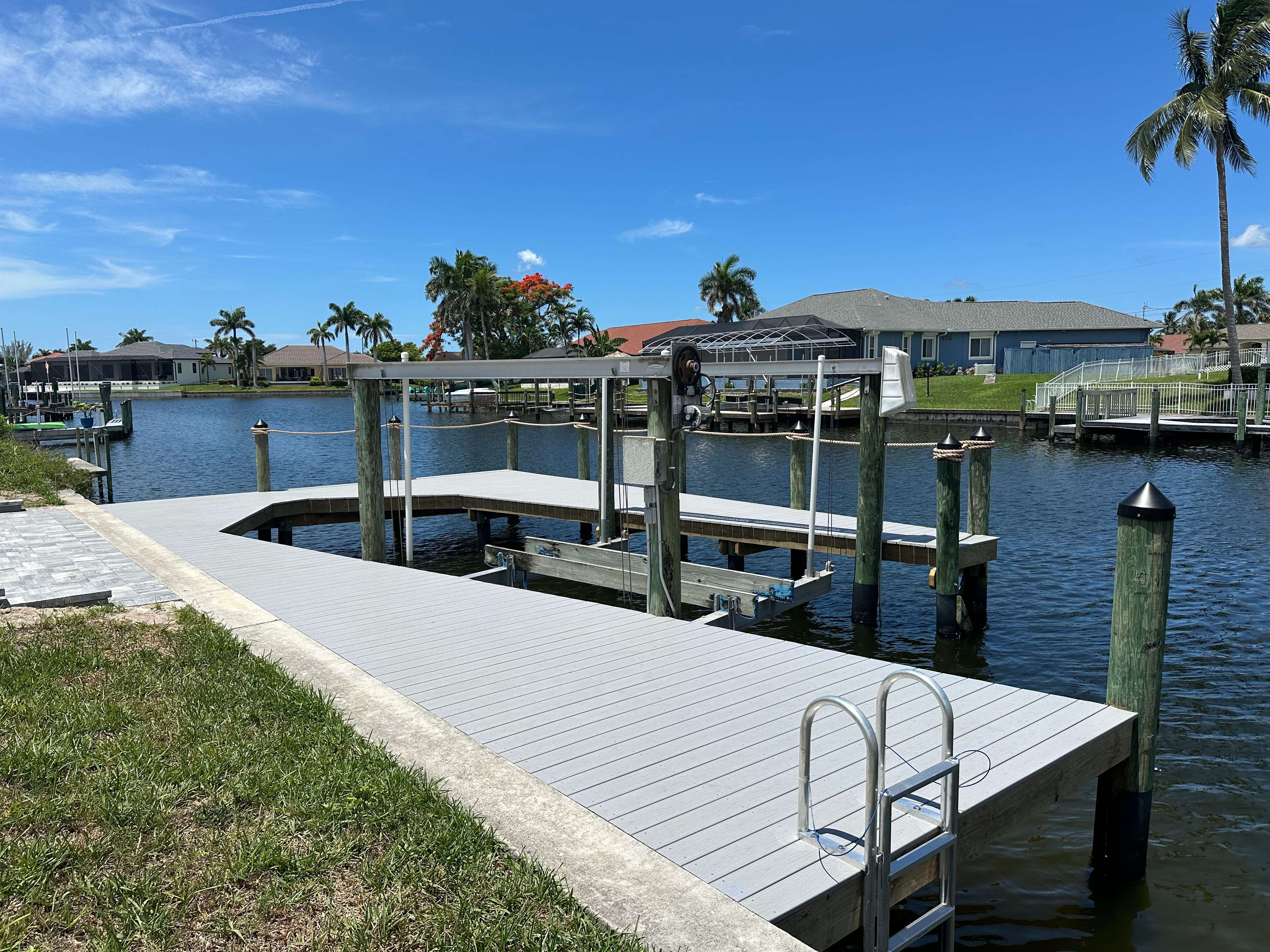
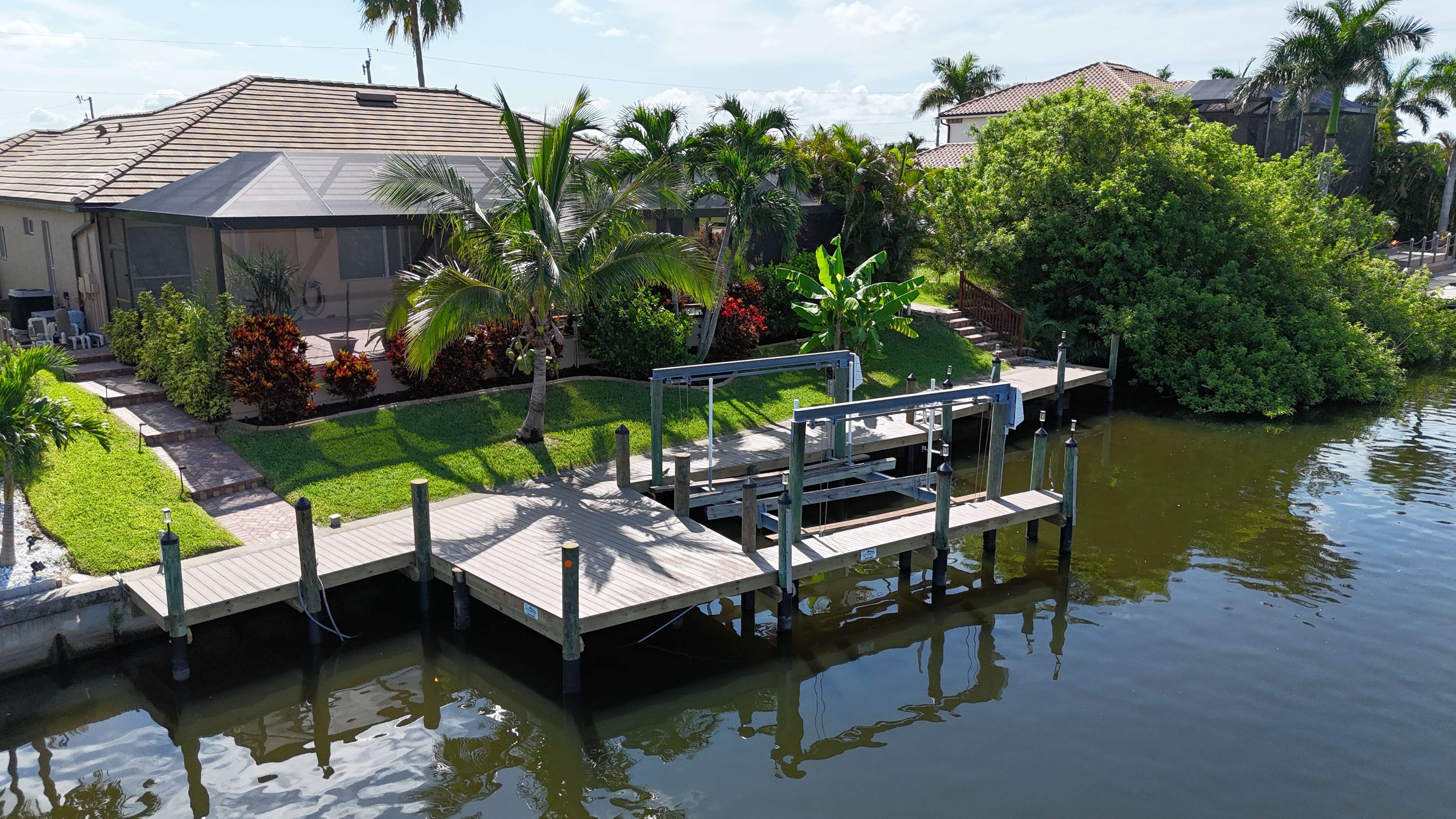
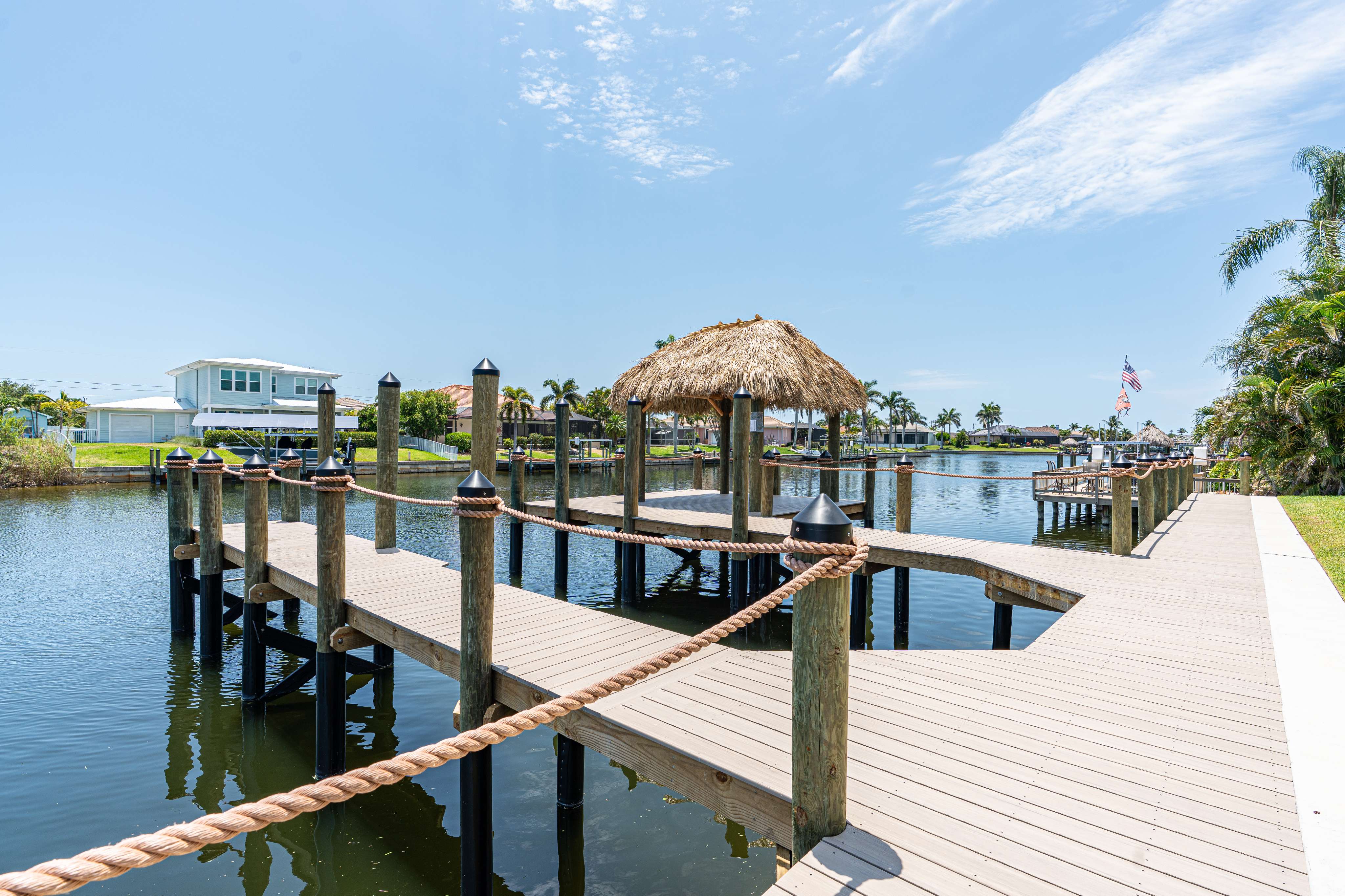
Next
And here's some amazing content. It's very engaging. Right?
Why Floating Docks Matter for Cape Coral Homes and Waterways
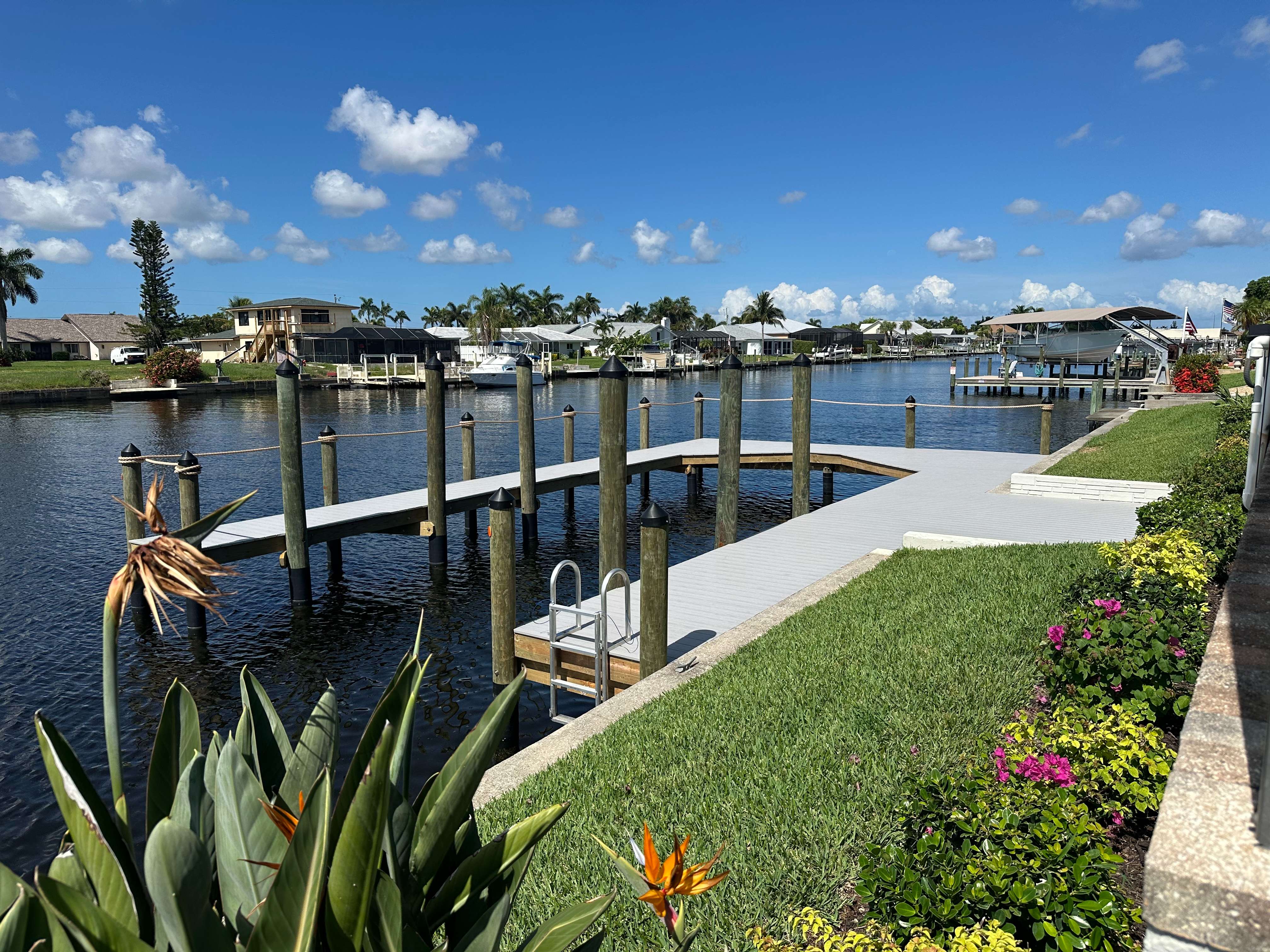
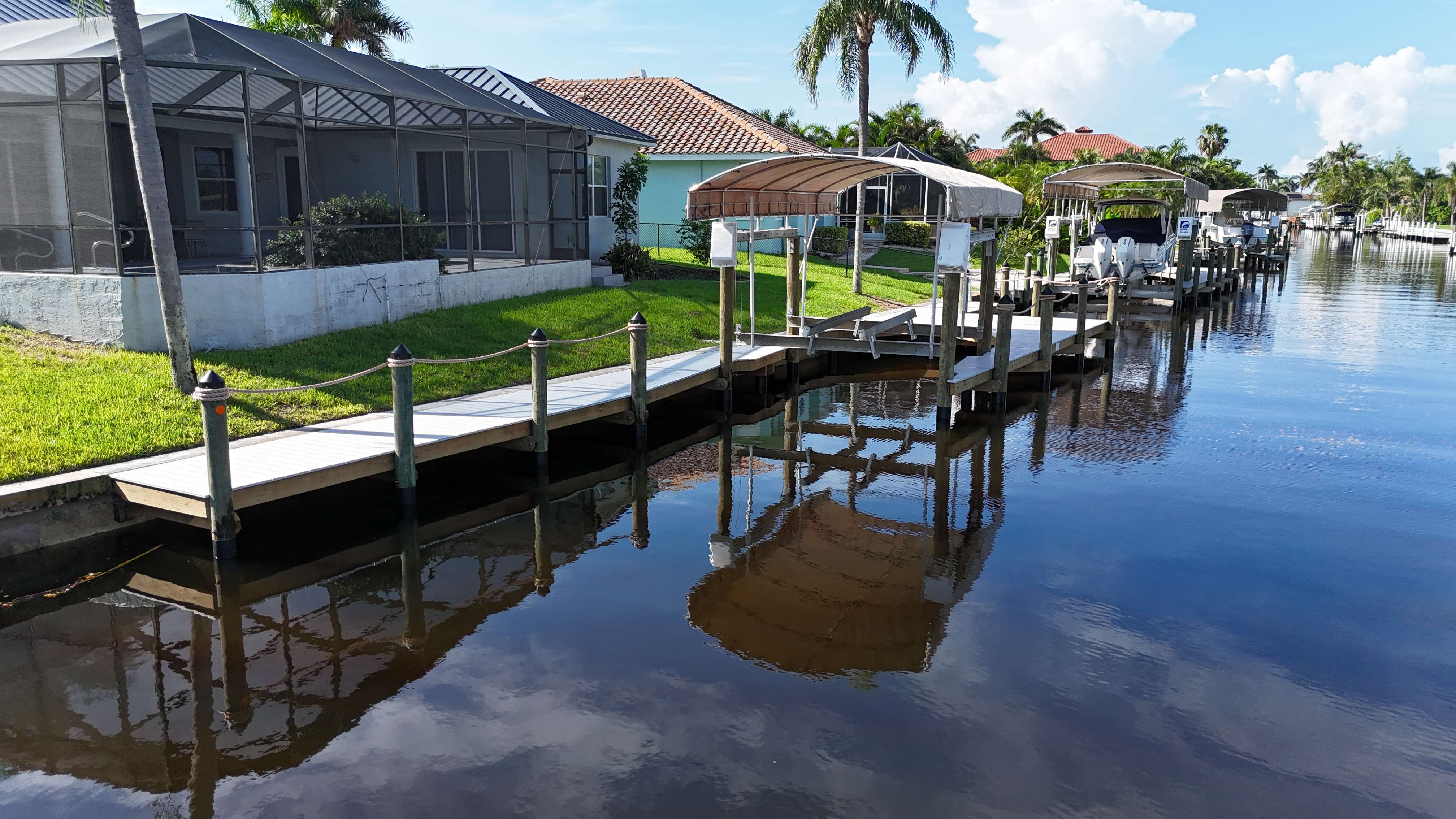
Floating Docks kinda fit the whole vibe of Cape Coral. This town is all water, sun, and boats, and folks want docks that can handle the moving tides without makin’ a big fuss. I been working with docks a long time, and I see lots of folks choose Floating Docks because they move with the water instead of fighting against it.
When I talk to homeowners near 424 SE 47th Terrace A, Cape Coral, FL 33904, they always ask why Floating Docks are so popular lately. I tell ‘em it’s ‘cause the canal levels change a lot. Boats go by, rain hits, storms blow through, and the water rises and drops real quick. A regular fixed dock sometimes sits too high or too low, but a floating one moves up and down like it’s just goin’ for a ride.
Cape Coral has more canals than most folks can count. Pelican neighborhood, Bimini Basin area, Yacht Club area—they all got water runnin’ through ‘em. Floating Docks make life simpler on these canals. You step on the dock and it’s pretty much the same height your boat is, no matter what time of year or day.
I tell folks Floating Docks feel kinda like a soft handshake. They just move naturally without trying too hard.
How Floating Docks Work on the Canals Near 424 SE 47th Terrace A
People sometimes think Floating Docks are fancy or high-tech, but they’re pretty simple. They float because of strong float blocks under the deck. The blocks are usually foam-filled or plastic builds that won’t sink easy. The dock is tied to piling guides, so it slides up and down but doesn’t drift off like it wants to go on vacation.
Around the canals near SE 47th Terrace, the water gets choppy when a bunch of boats head toward the river. Floating Docks handle the motion better than fixed docks. I’ve seen some fixed docks get beat up from wakes, but floating ones just bounce lightly like they’re used to it.
One lady near Four Freedoms Park told me her old dock used to smack into her boat lift every windy day. After we swapped her to a Floating Dock, she said the problem disappeared. The new dock rose and fell smooth, even on stormy afternoons.


Seasonal Changes and How Floating Docks Handle Florida Weather
Cape Coral weather is kinda wild. Folks think it's warm and sunny all the time, but the seasons hit different on the water. Floating Docks deal with these seasonal changes way better than some fixed systems.
Spring
Spring brings pollen. I swear it sticks to everything. Floating Docks get slippery around April. I tell folks to give them a good wash or call me if they need help. The movement of the dock sometimes shakes loose stuff that’s been holdin’ on since winter.
Summer
Summer is rough on all docks. Sun is like a heat lamp on the boards. On floating ones, the floats take more heat too, so I like checkin’ them for any early cracks. Water levels can rise quick during heavy rain. Floating Docks do great then—they just come up with the water.
One summer job near Tarpon Point had a family worried their dock would disappear under high tide. I told ‘em floating means floating, not sinking. They laughed at me when I said that, but they felt way better when we installed the new system.
Fall
Fall has leftover storm stress. Floating Docks sometimes shift on their guides if the storms push too hard. I help a couple in the Pelican area every fall. They call me “the dock guy that shows up with a smile and a wrench.” Their Floating Dock always needs a little tightening after hurricanes or fast storms.
Winter
Winter ain’t cold here, but the water level does weird things. Floating Docks rise and fall more noticeably on colder nights. Folks sometimes think something broke, but it’s just tide patterns. Winter’s also a good time to check the deck boards because the cooler temps make wood shrink slightly.
All these seasons change how the dock acts, but Floating Docks kinda roll with it
Floating Dock Services We Do Around Cape Coral
I help with a lot of Floating Docks across Cape Coral. Some jobs are simple, like fixin’ loose cleats. Others are full replacements or new installs. Here’s the stuff I do most: Building brand-new Floating Docks Replacing worn floats Tightening or fixing pile guides Adding bumpers Fixing warped boards Cleaning algae buildup Swapping old hardware Adding ladders or rails One time, a homeowner near Bimini Basin called because their Floating Dock looked slightly tilted. Turns out two floats filled with water from cracks. We swapped them out, and the dock leveled right up like it was brand new. Another time near Cape Coral Pkwy, I helped a guy who swore his dock was drifting. Turns out it was just sliding smooth on the guide poles. He thought it was haunted.
Stories From My Floating Dock Jobs Around the City
I got a ton of stories about Floating Docks. Some funny, some weird, some helpful. There was a retired fisherman near the Yacht Club area who used his Floating Dock for morning coffee every day. One day he called, sayin’ the dock was sinking. I rushed over. His grandkids had tied six giant pool floats to one corner and the weight shifted weird. I still laugh about that. Another lady off SE 47th Terrace told me her floating platform made a loud creak every time she walked out. It was a simple bolt that needed tightening. She said she felt silly but happy it wasn’t something worse. One of my favorite families near Four Mile Cove had a Floating Dock party setup. Lights, chairs, all the good stuff. They didn’t realize one of the floats was half-full of water. The dock leaned during the party, and folks thought it was part of the fun. They called me later to check it. I fixed it and told ‘em the dock should tilt ‘cause of fun, not ‘cause of a broken float. I love these little stories ‘cause Floating Docks really become part of people’s lives.
Dock Builder– How It Connects to Floating Docks

Being a Dock Builder ain’t just pounding boards and calling it a day. You gotta know the water, the tides, the way a dock acts when boats create waves. With Floating Docks, the building part matters a lot because the structure has to last years while movin’ every single day.
As a Dock Builder, I make sure the floats, lumber, bolts, and guides are set right from day one. Floating Docks need balance. If the weight is off, the whole thing leans. Some builders rush through this, but I been doing it long enough to know that a tiny mistake turns into a big problem later.
Contractor– What It Means for Floating Dock Work
The Contractor category fits into the Floating Dock service because building docks needs real skill and rules. Some folks think it’s just slapping boards on floats, but there’s city codes, safety stuff, and materials that gotta last in saltwater.
When I work as a Contractor, I handle the paperwork, check the right hardware, and make sure everything lines up with Cape Coral guidelines. I’ve worked around enough canals to know how different parts of the water act. Some spots near Bimini Basin get stronger wake. Some spots near Four Freedoms Park get more shift in tides. All this affects how we install Floating Docks.
Local Spots and Landmarks That Affect Floating Docks
Floating Docks around 424 SE 47th Terrace A face different problems than docks near Tarpon Point or Pelican neighborhood. The canals here get boat traffic from people heading toward the river. Wakes bounce more. The water level shifts quicker.
Landmarks like:
Four Freedoms Park
Bimini Basin
Cape Coral Pkwy bridge
Yacht Club area
All influence how the water moves. When I build or repair Floating Docks near these spots, I adjust the float sizes, guide pole strength, and deck materials based on how rough or calm the water gets.
Q&A Section
Q1: How long do Floating Docks last near 424 SE 47th Terrace A?
A: Floating Docks here last many years if kept clean and checked. Sun and salt hit hard in this area, so light upkeep keeps the floats and boards in good shape.
Q2: Do Floating Docks move too much?
A: They move a bit, but not crazy. They go up and down with tides. Most folks get used to the feel fast and even like how smooth it is.
Q3: Are Floating Docks safe for kids?
A: Yep. They’re stable and soft-moving. Just keep boards clean ‘cause algae makes them slick sometimes.
Q4: Can storms mess up Floating Docks?
A: Strong storms can shift the guides, but the dock stays floating. A quick check after storms keeps them safe.
Q5: Do Floating Docks need a lot of care?
A: Not too much. A little cleaning and checking bolts keeps them working fine.
Q6: Can I fish from a Floating Dock?
A: Yep, lots of folks do. It stays level with the water so it feels good for casting.
Q7: Can Floating Docks work with my boat lift?
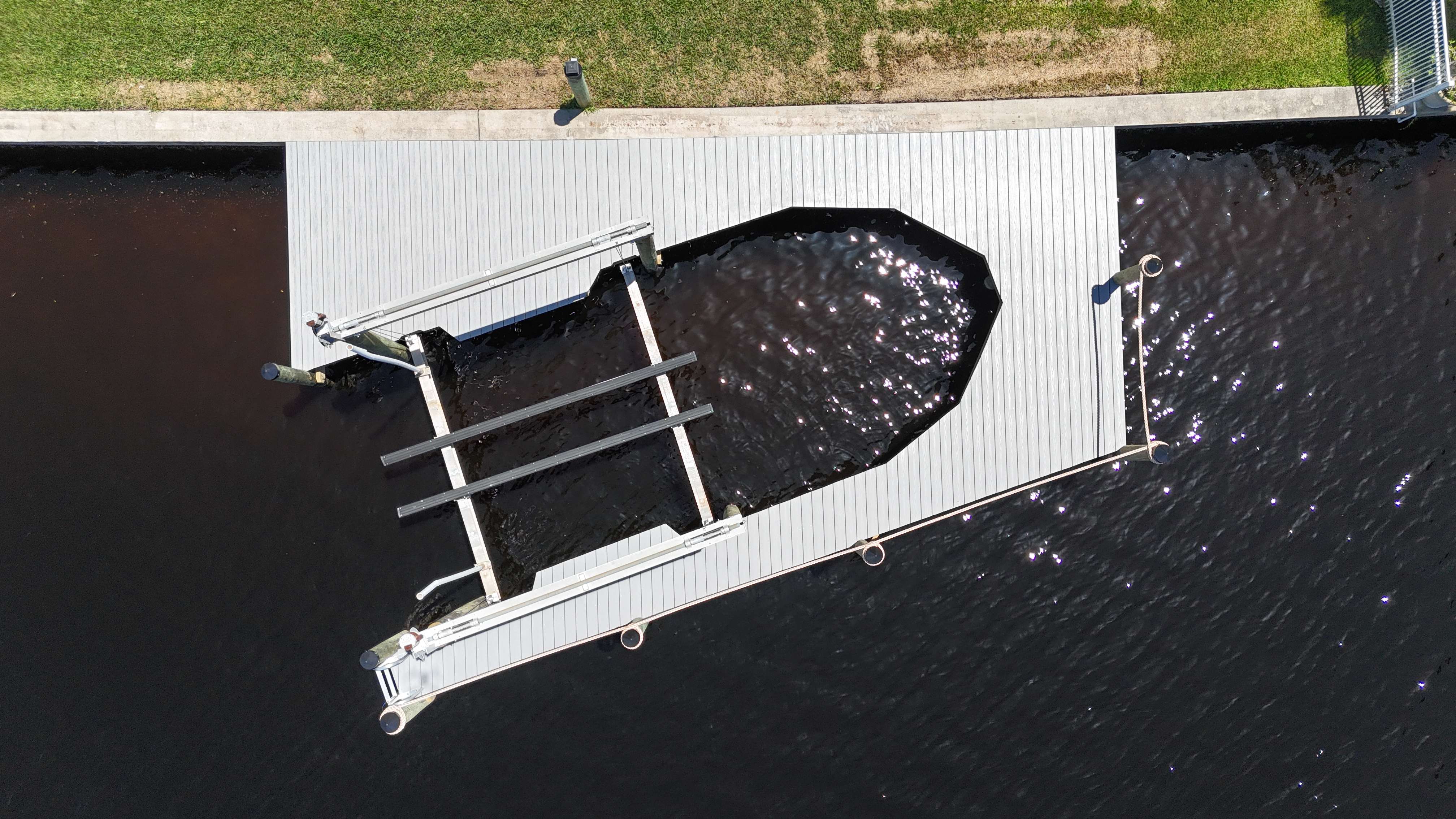
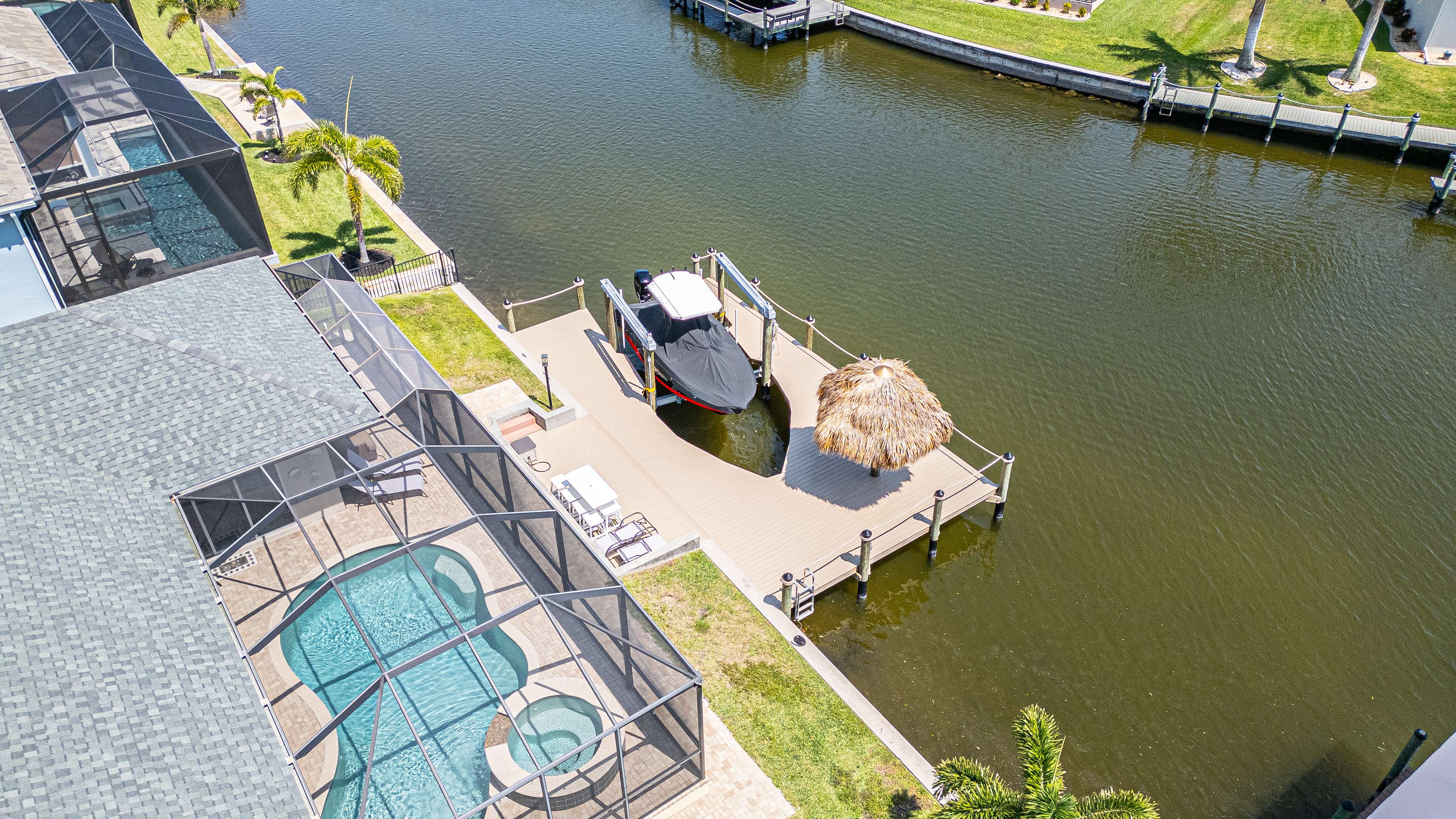
A: Yes they can. We set them up so the dock lines up smooth with your lift.
Call Coastal Marine Group today!
424 SE 47th Terrace A, Cape Coral, FL 33904, United State FL

Your Questions, Answered
Everything you need to know about working with a professional marine contractor.
Yes, virtually all marine construction in Florida requires permits. The good news? We handle the entire permitting process for you, including applications, engineered drawing, and environmental compliance.
Timeline varies by project scope, but most residential docks take 2–4 weeks from permit approval to completion. Seawalls typically take 1–3 weeks. We provide a detailed timeline during your consultation.
Florida's saltwater environment, hurricane exposure, tidal fluctuations, and marine borers require specialized materials and construction techniques. Generic solutions from other regions simply won't last here.
Every project is custom-designed for your specific needs and site conditions. We provide transparent, detailed estimates with no hidden fees. Contact us for a free consultation.
Yes, we operate year-round. However, we may adjust schedules during active storm threats for safety. We also offer emergency repair services for storm damage.
Often, strategic repairs can extend the life of your structures. During your free consultation, we'll assess the condition and recommend the most cost-effective solution.
Absolutely. We carry full liability insurance and workers' compensation coverage. You're protected throughout the entire project.
Serviced Areas
Strategically positioned to serve the entire Southwest Florida shoreline with precision engineering and rapid deployment.
Explore Other Services