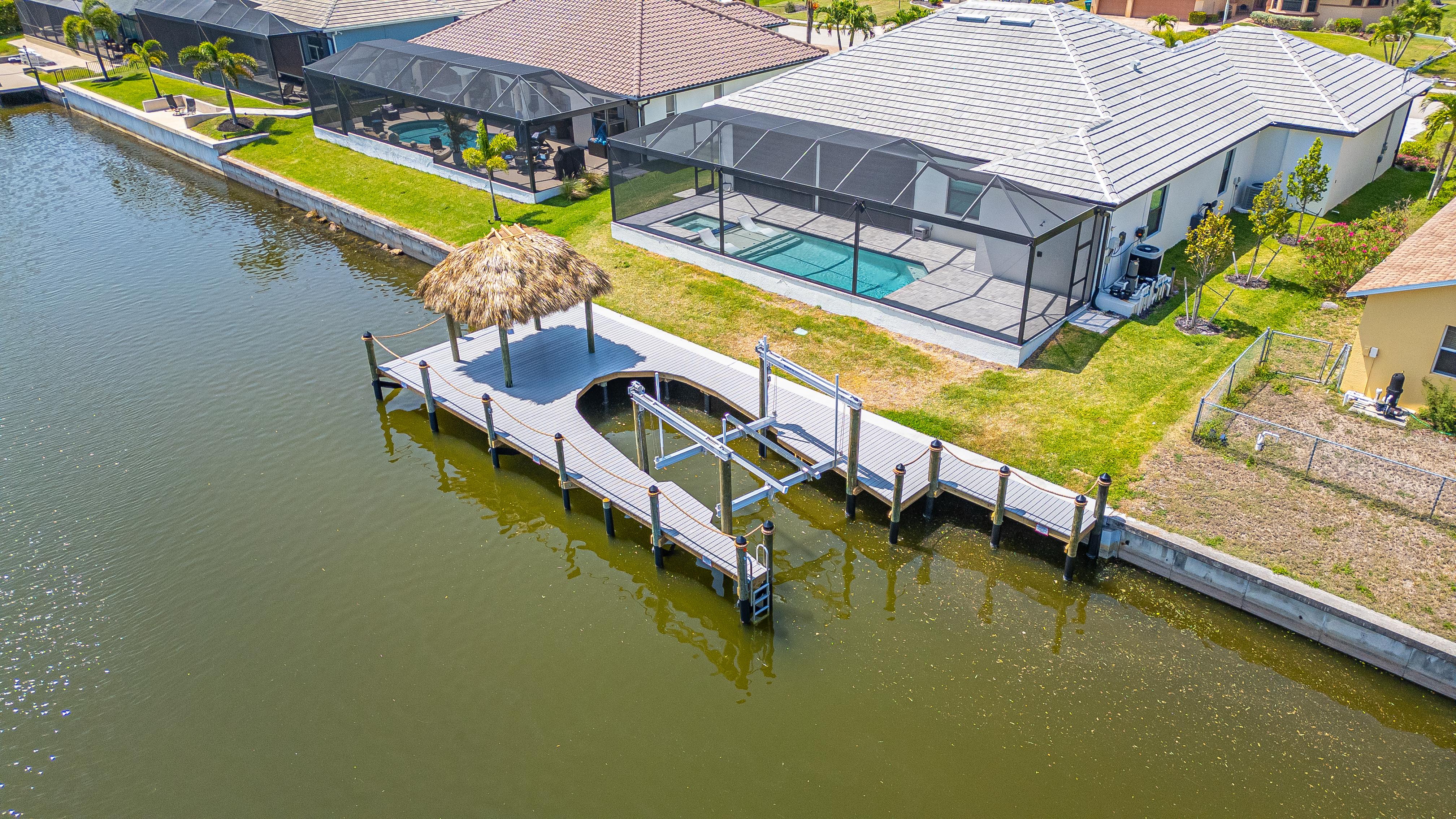
Jet Ski Lifts in Cape Coral, FL
Learn More →
Coastal Marine Group
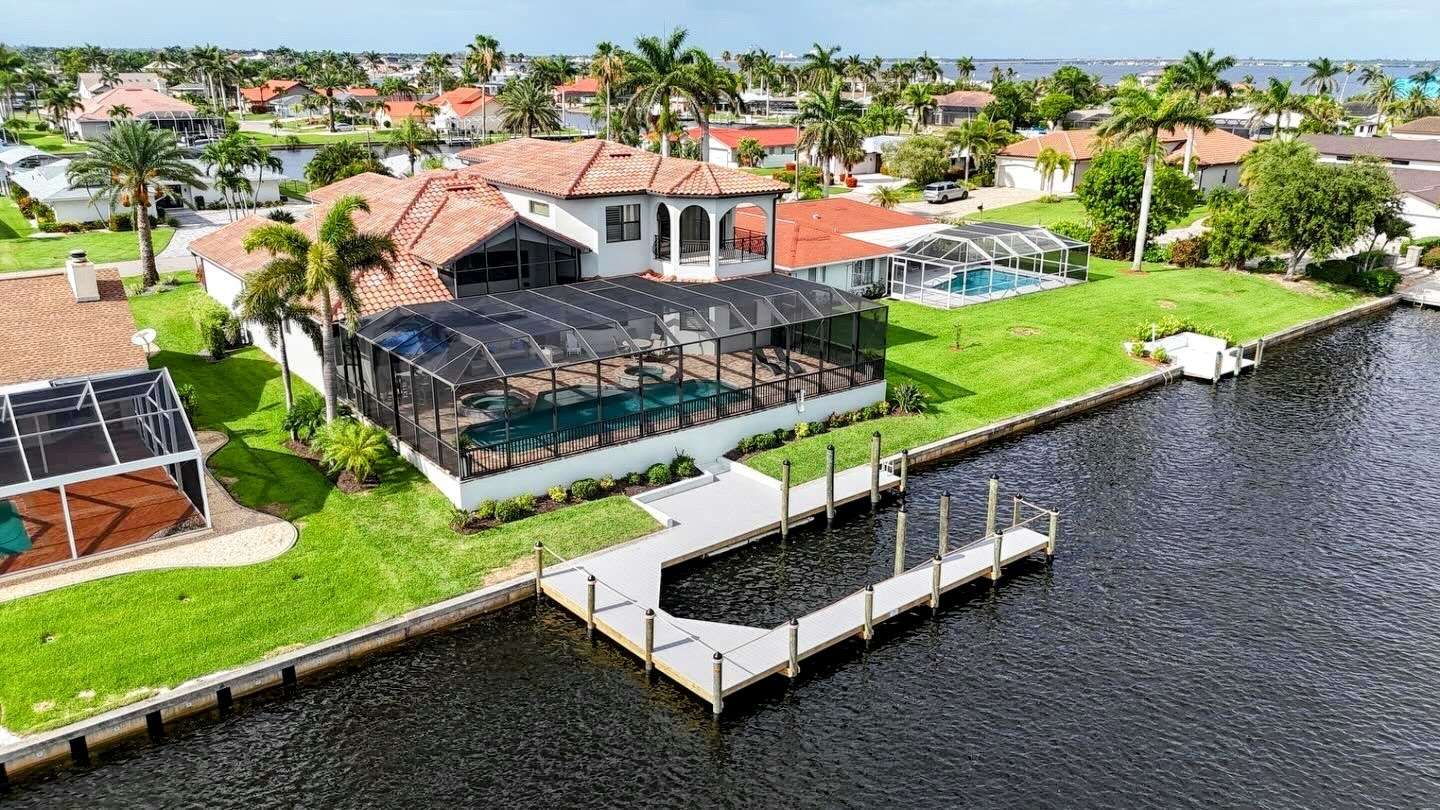
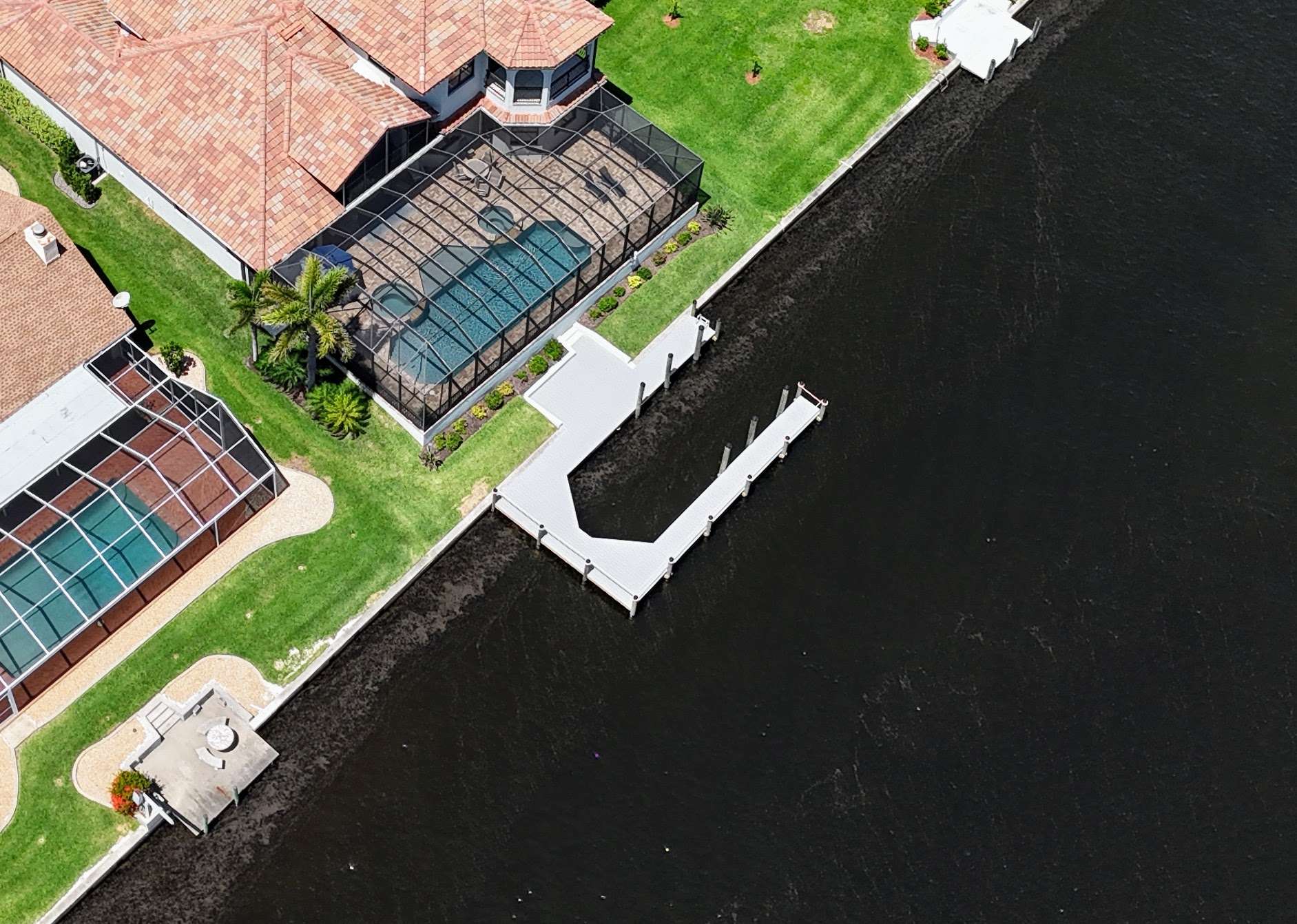
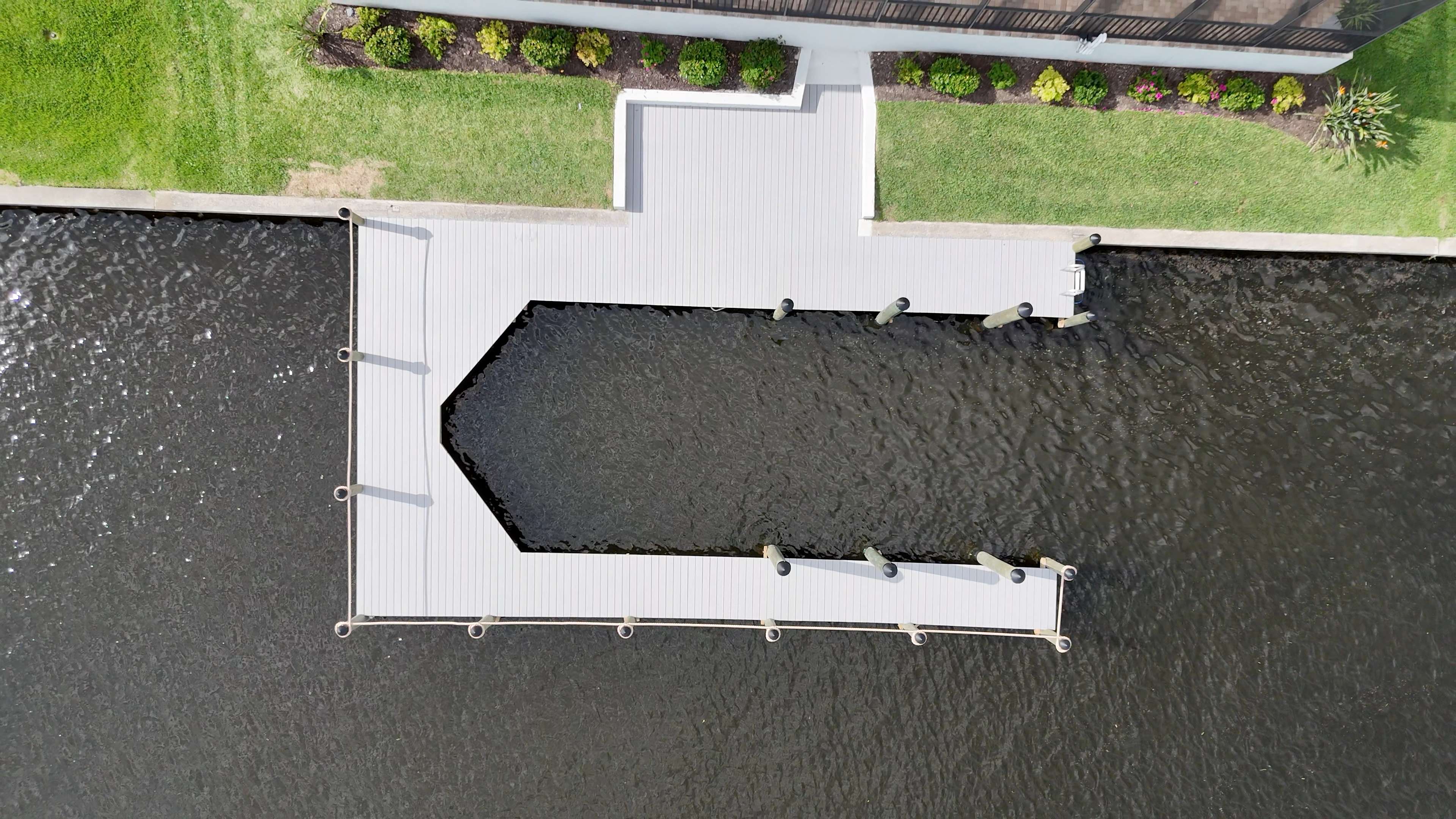
Next
And here's some amazing content. It's very engaging. Right?
Why Jet Ski Lifts Matter for Canalfront Homes in Cape Coral
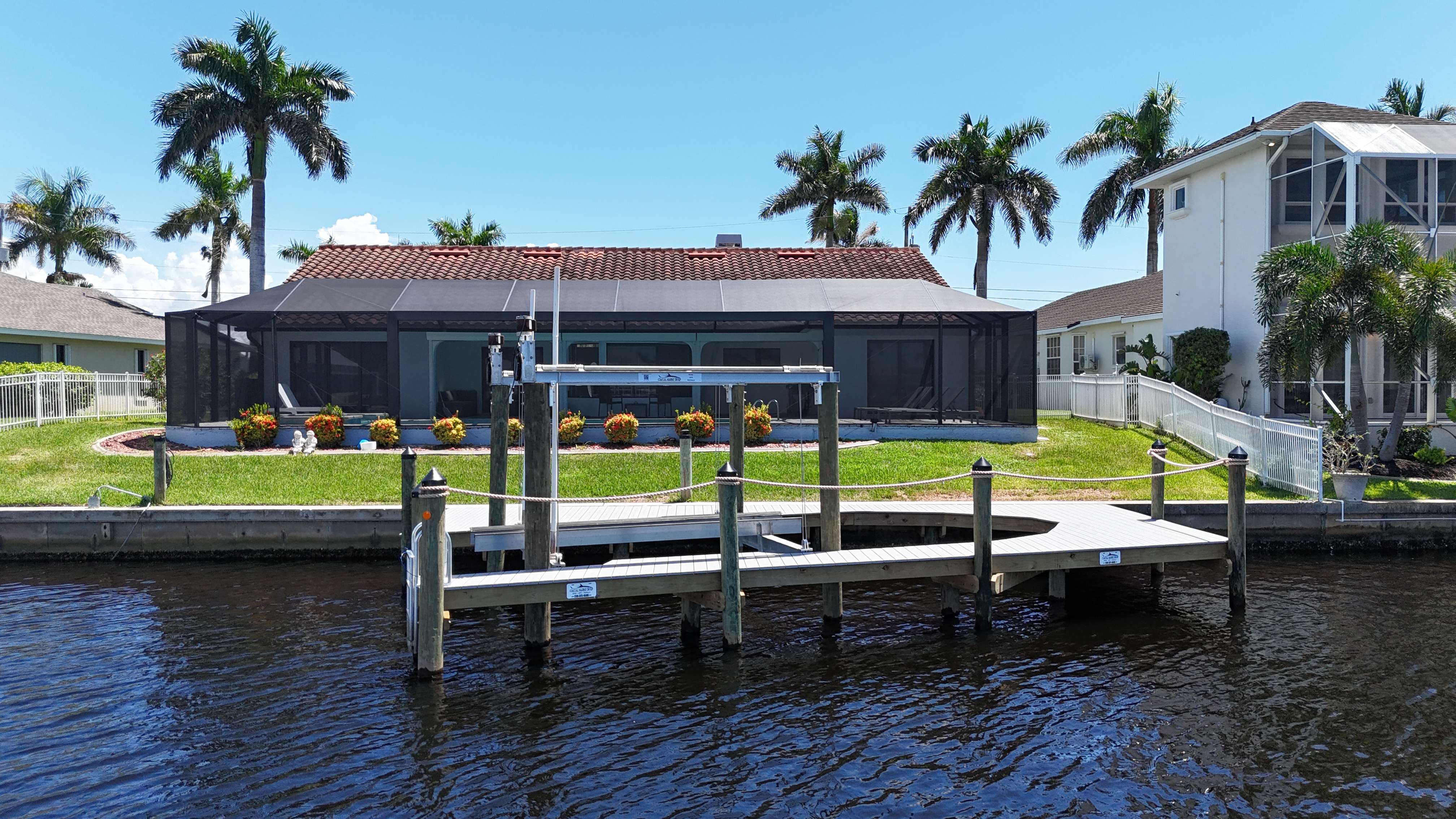
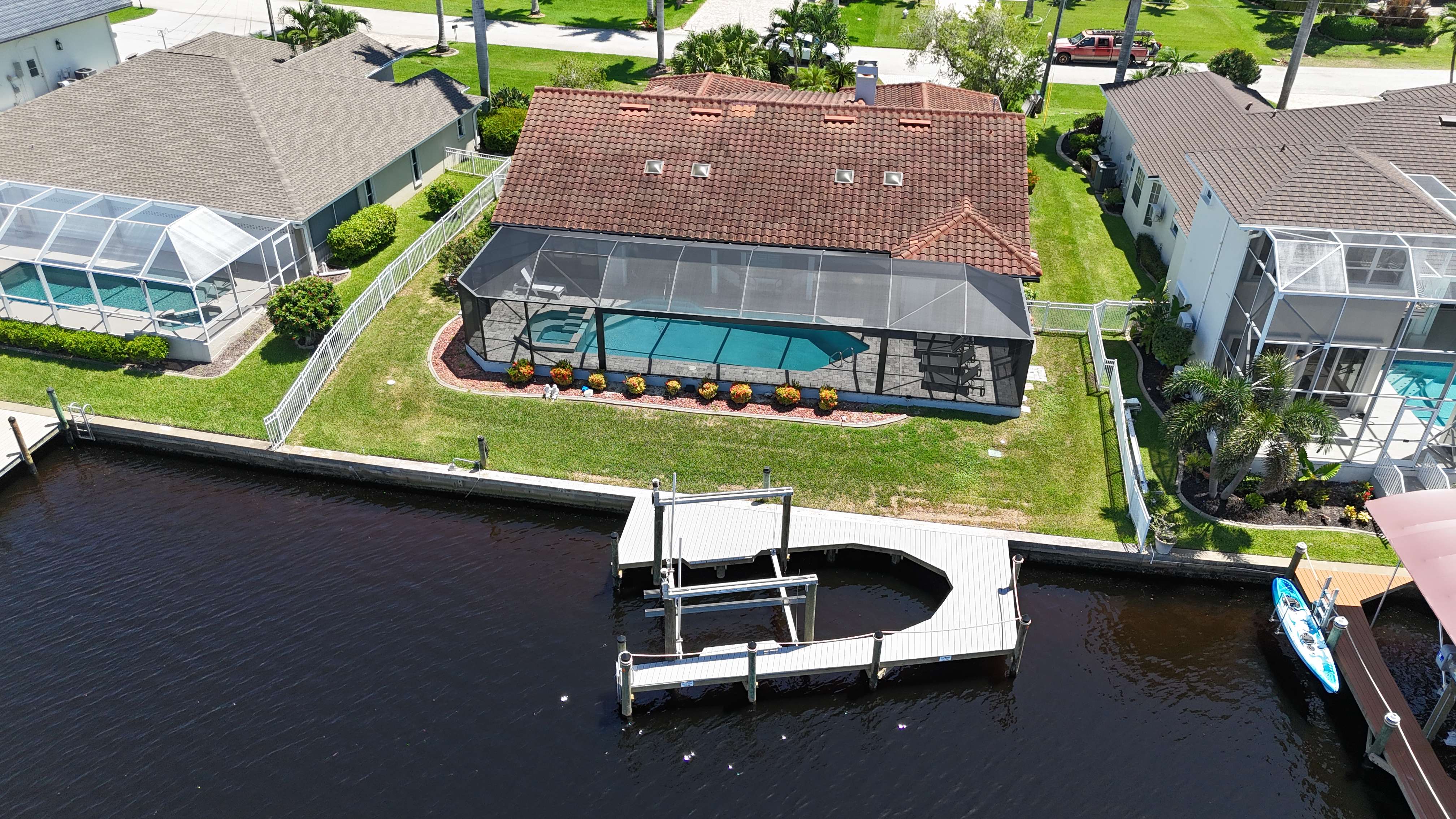
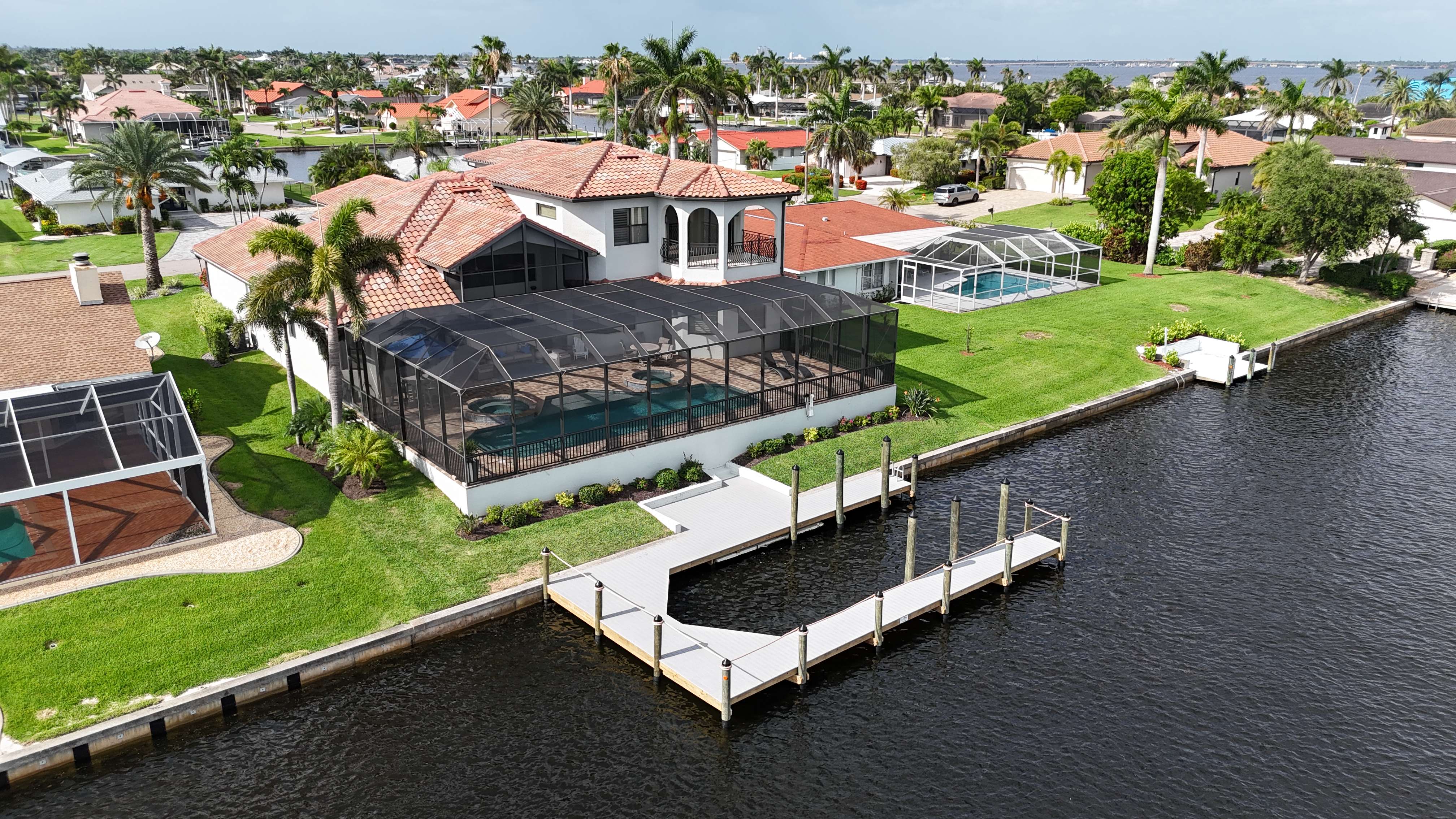
If you own a canal-front home in Cape Coral, you’ve probably seen the difference between just docking a jet ski in the water vs hoisting it up on a Jet Ski Lift. Out at 424 SE 47th Terrace A, Cape Coral, FL 33904, the water moves, the tides shift, boat wakes come through, and if your jet ski sits in the water all day, you’ll see wear faster. A Jet Ski Lift lifts the craft out of water, protects the hull, reduces barnacle or algae growth, and makes it easier to hop on and go.
I’ve been building docks and lifts for years, and I remember one job where the homeowner told me their Sea-Doo sat in the water 24/7 and after just two seasons they had a greenish film under the hull. We installed a Jet Ski Lift for them, lifted it out nightly, and next season they said “Wow, it’s like new again.” That’s real difference.
When you’re around the canal systems—Pelican neighborhood, Yacht Club area, Bimini Basin—having a Jet Ski Lift means your gear lasts longer, you save on maintenance, and when you want to ride, you spend more time riding and less time fussing with the dock.
How Jet Ski Lifts Work Around 424 SE 47th Terrace A
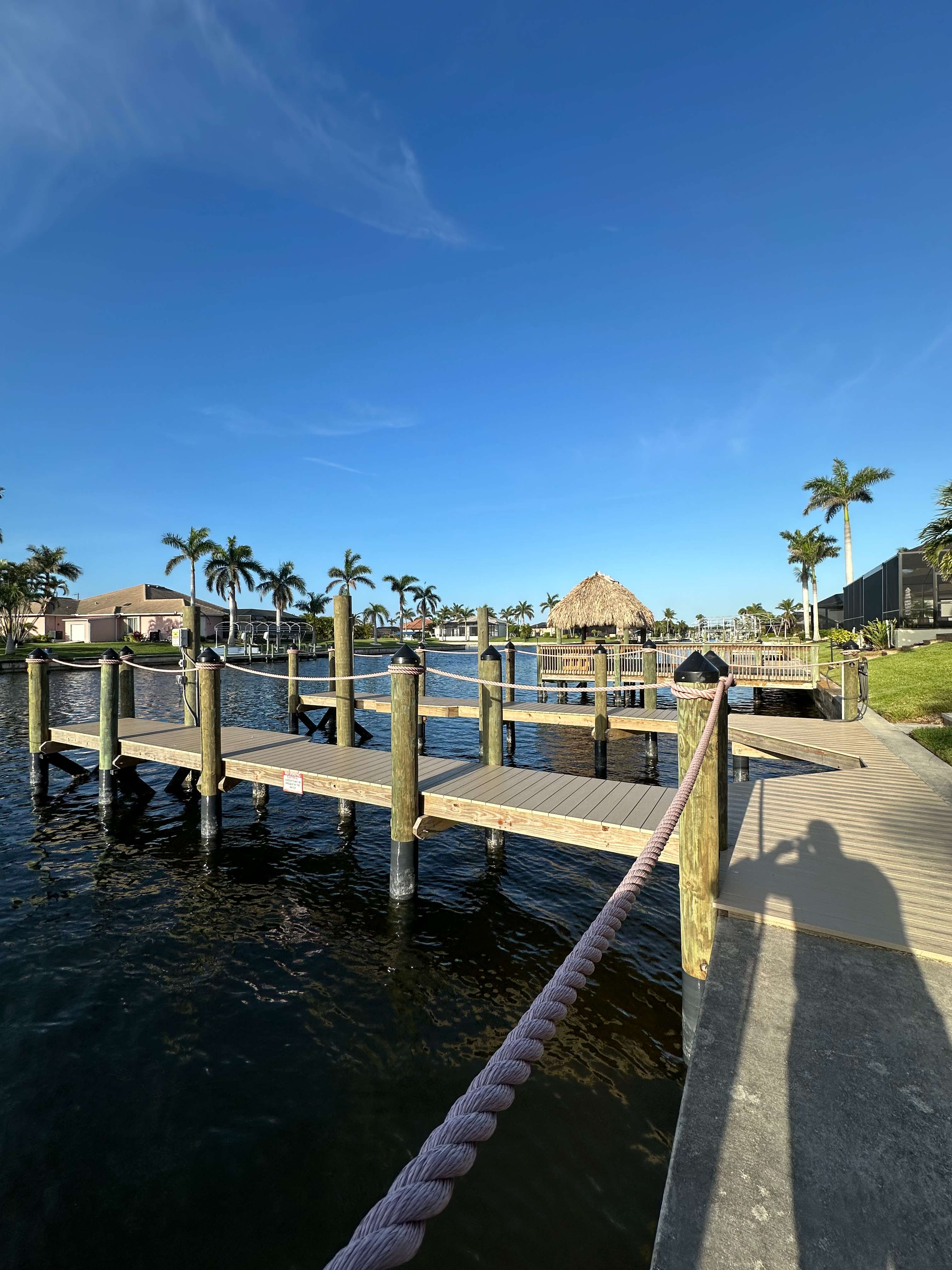
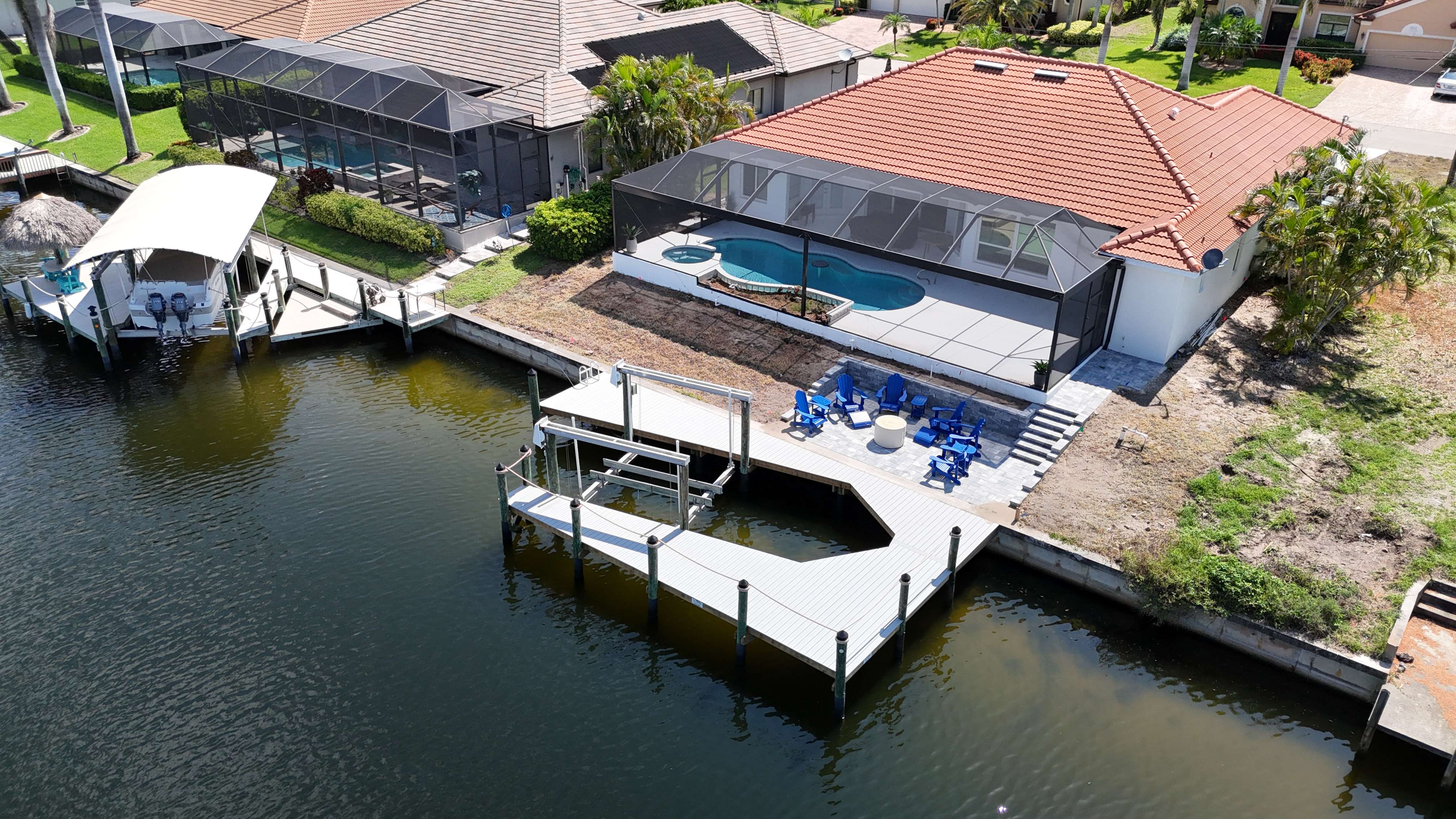
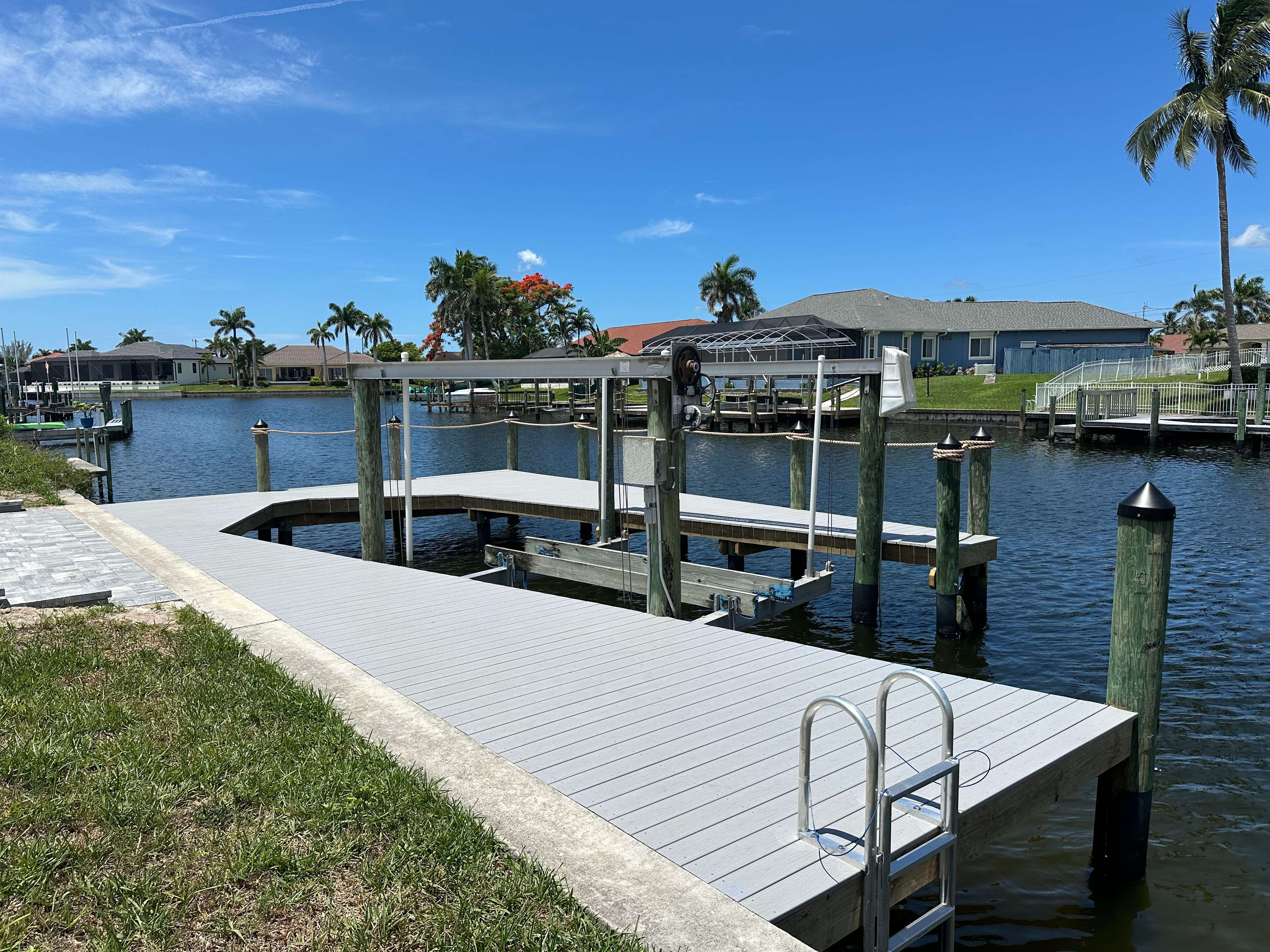
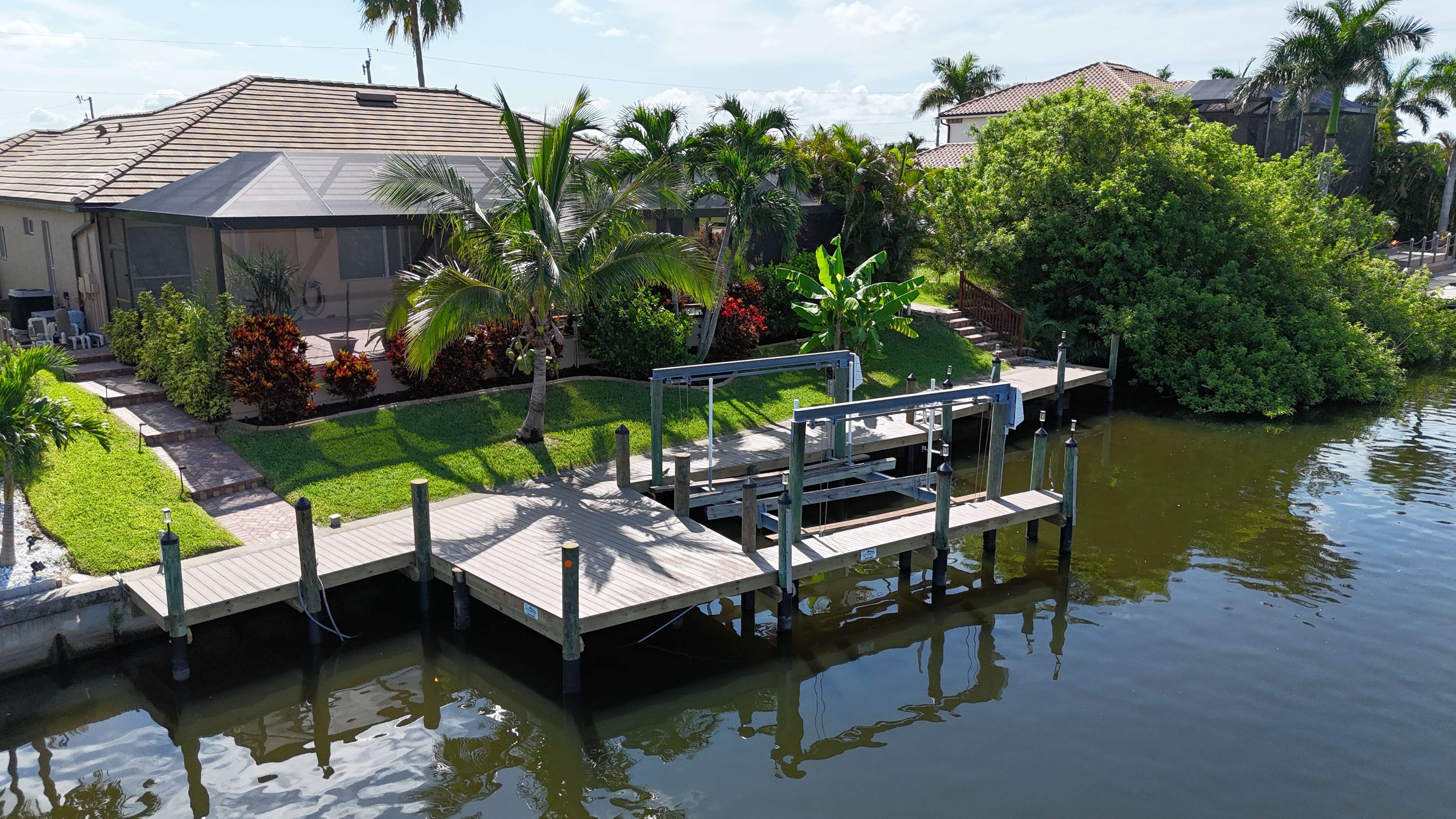
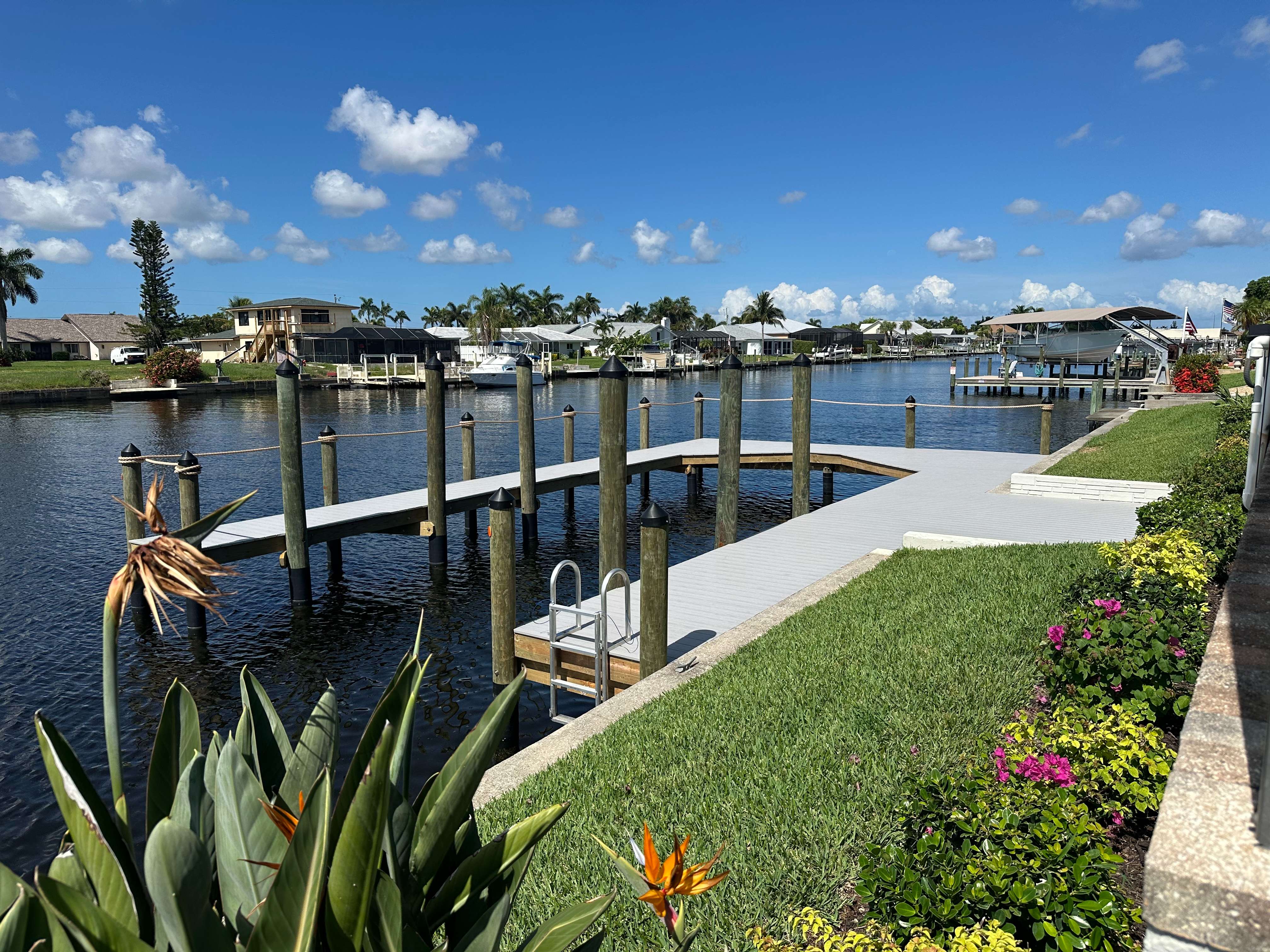
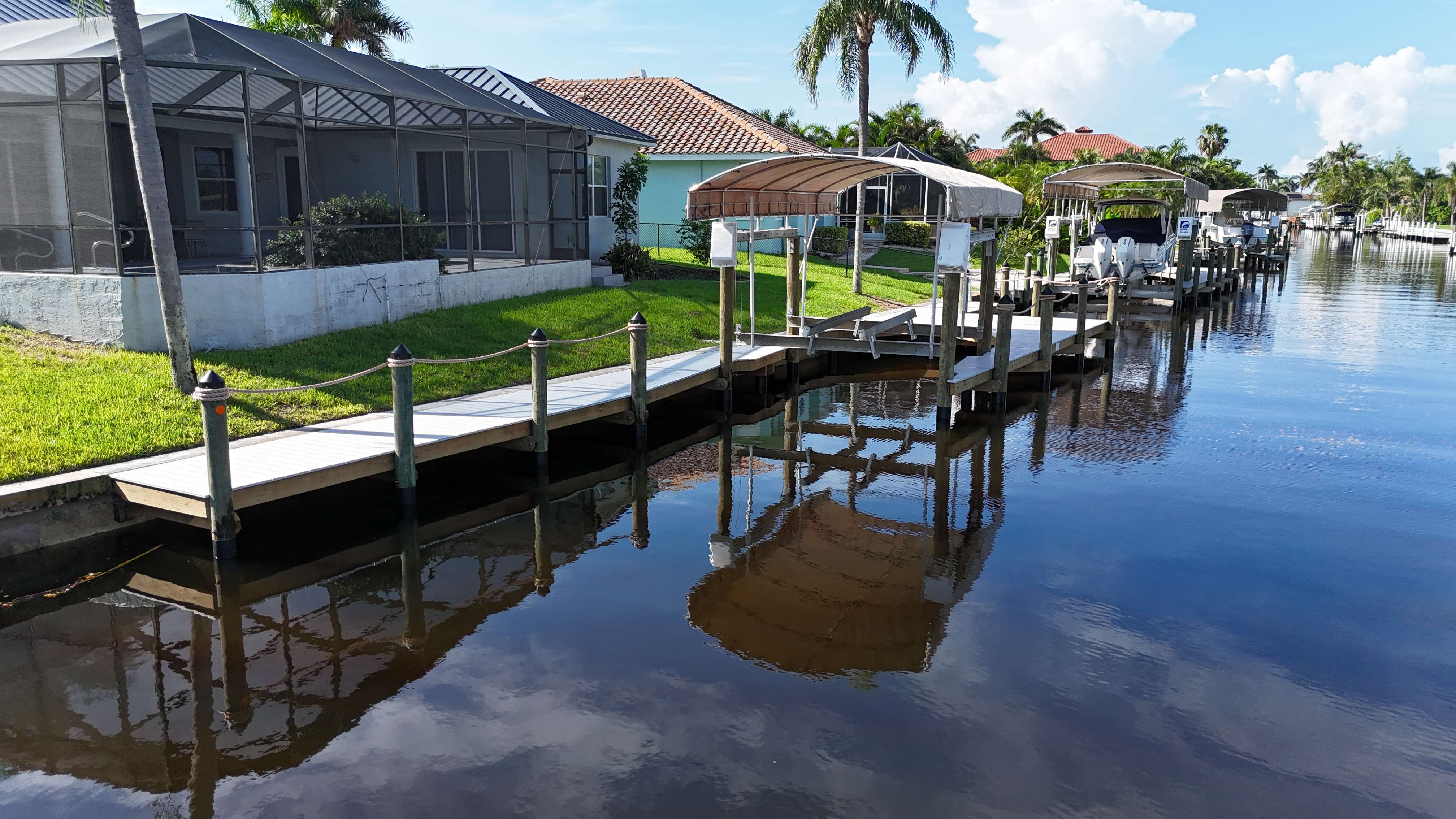
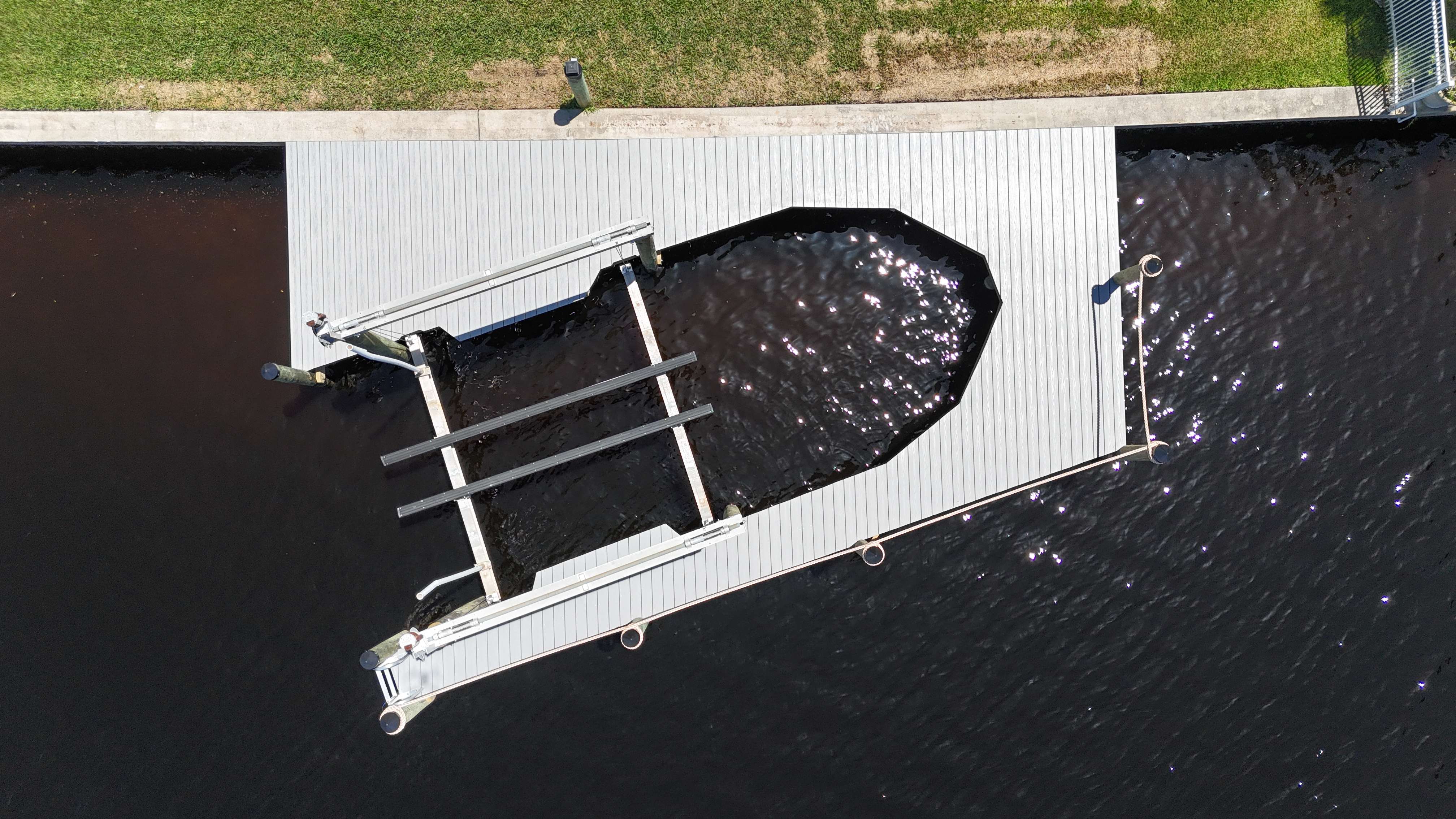
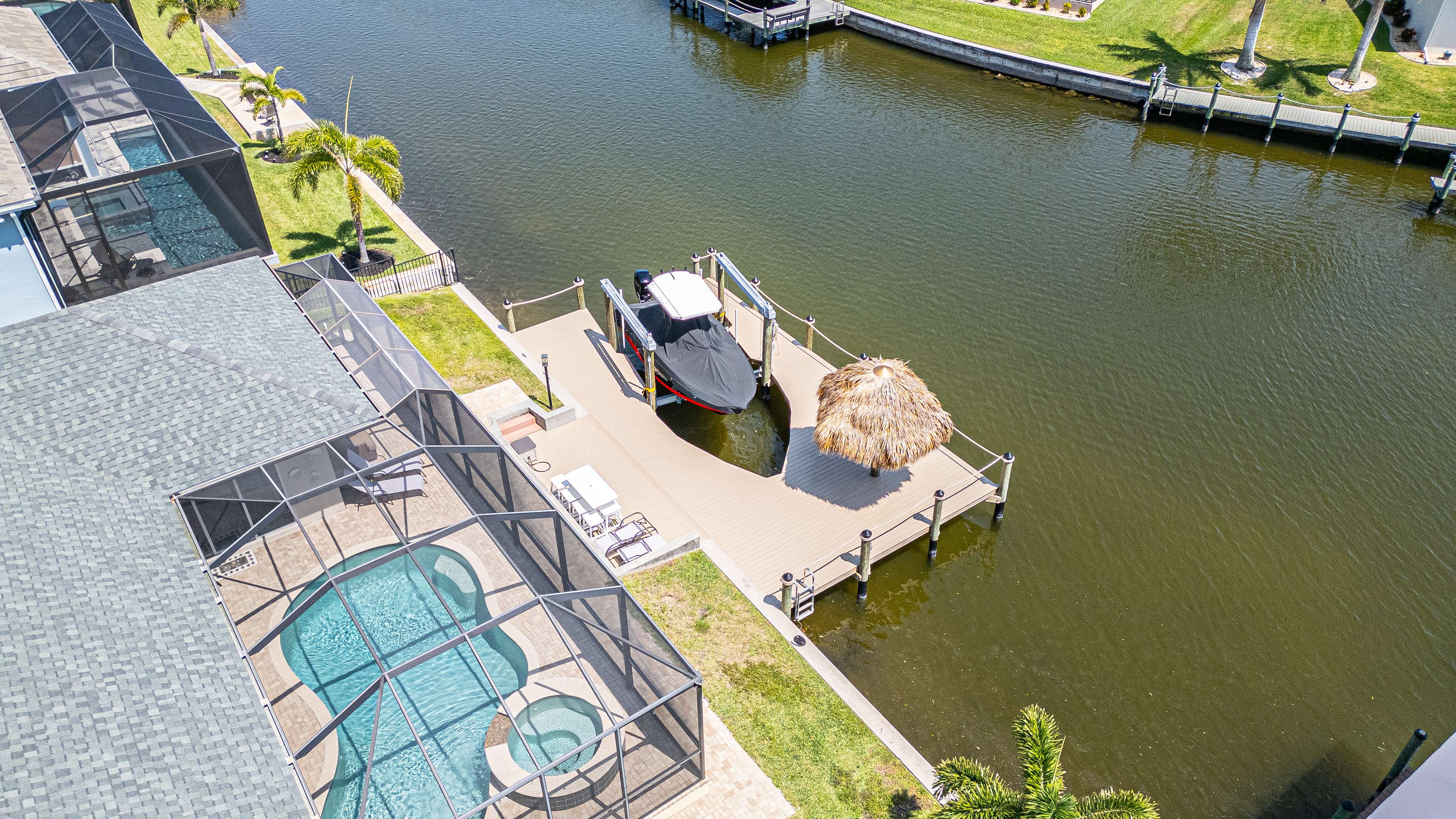
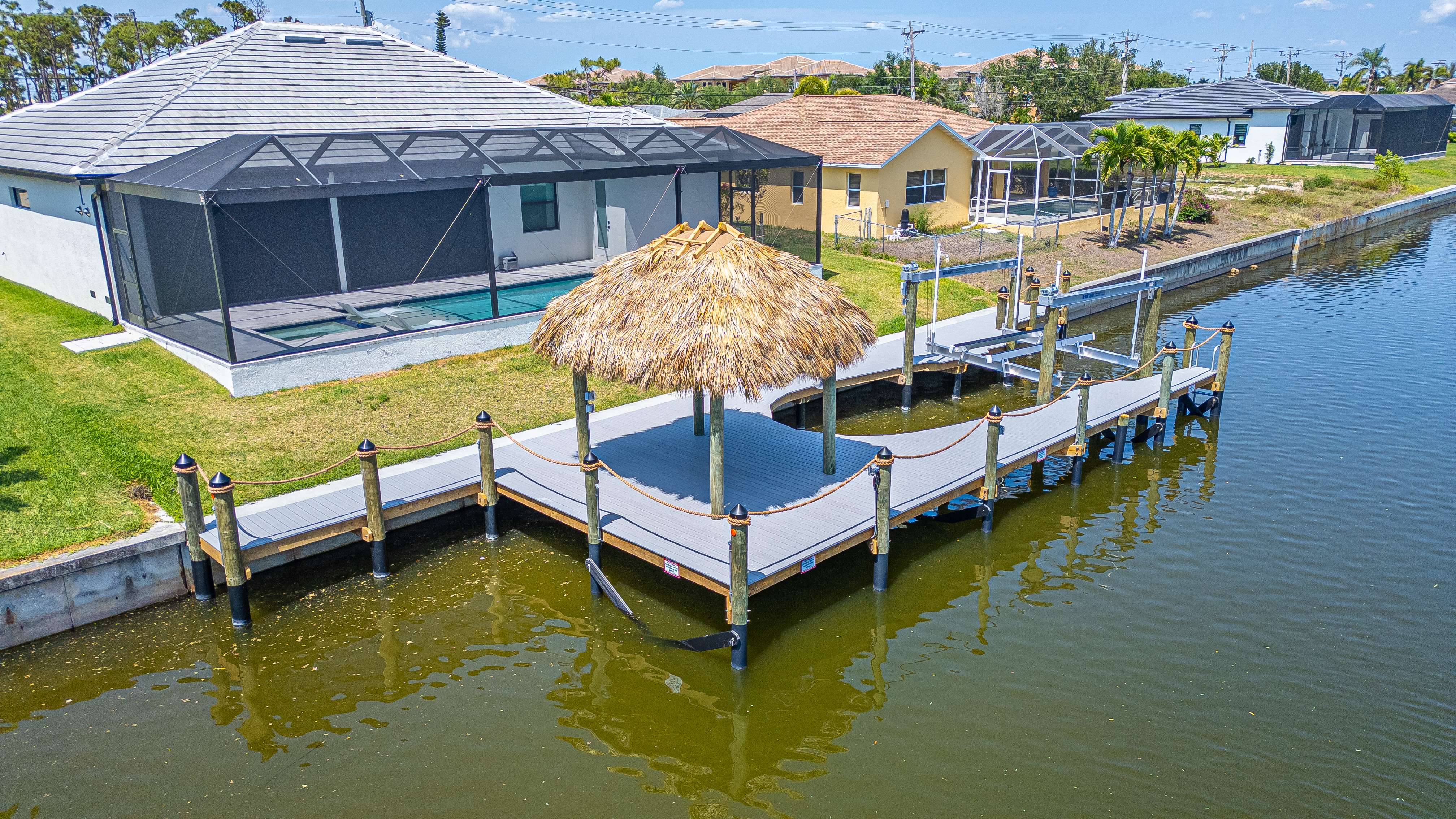
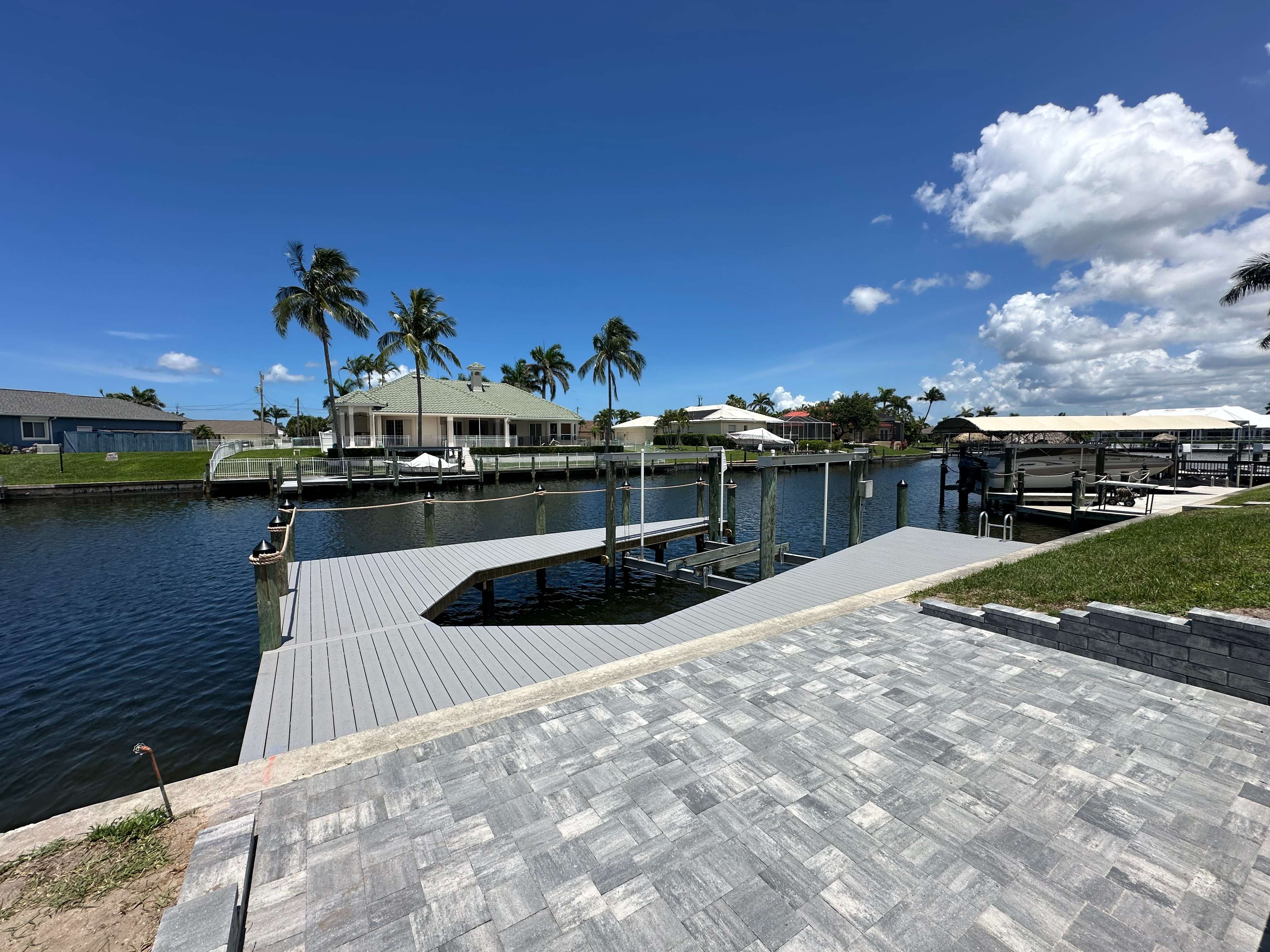
So what exactly happens when you install a Jet Ski Lift by a canal home like the one on SE 47th Terrace? First, you’ve got your seawall, maybe a dock, maybe a ramp. We build the lift right next to or integrated with the dock structure. A strong frame, proper pilings, lift motor or manual winch, support beams – all that. The lift raises your jet ski clear of the water, sometimes 12-24 inches above, depending on the tide and your set-up.
In the canals behind 424 SE 47th Terrace A, I’ve had to adapt lifts because water levels drop significantly during dry spells and then rise again after heavy rains or tides. The lift has to account for both scenarios. On a holiday weekend boat run you’ll see wakes push water in waves; the lift frame must stay stable through all that.
One time I met a family on a weekend boat run from this stretch of canal (close to Cape Coral Pkwy) who told me they wanted a lift “just for the kids’ jet ski” so they could grab it anytime and not worry about it scraping or sinking into algae. We built a custom lift, and they now call it the “kid jet shuttle” each time they pull up after dinner.


Seasonal Effects on Jet Ski Lifts and Waterfront Equipment
Even though Cape Coral is warm year-round, the seasons still affect your lift, your jet ski, and the dock setup. I break it down like this:
Spring
Spring brings pollen, warm rains, and more boat traffic. I check Jet Ski Lifts for corrosion on bolts and motors after winter slow down. One job in the canal near Four Freedoms Park I had to replace a winch cable that rusted overnight because rainwater collected in a small pocket under the frame.
Summer
Summer is the real stress test. Sun beating down, salt spray, heavy boat wakes, afternoon thunderstorms. For Jet Ski Lifts I check the lift’s rails, motor brackets, and hydraulic or cable system. I had a homeowner in the Tarpon Point area tell me she was worried about her lift failing on July 4th when all the boats were out. We reinforced the mount and added UV-resistant covers.
Fall
In fall you get storms, maybe a hurricane alert, more wake from boats returning to dock, debris in canals after storms. On a job near Yacht Club, we found a lift that had shifted because a large wave from a speeding boat hit the dock frame. Because the lift was installed by a contractor who didn’t secure the frame solidly, the whole lift was slightly crooked. Fixed that.
Winter
Winter means cooler nights, slower growth in algae but also more idle time for your Jet Ski Lift. I use this time for inspection and preventive work. I tell homeowners near SE 47th Terrace to run their lift up and down monthly, check switch contacts and motor housing. One guy told me he forgot his lift during winter, then got stuck when spring came and his cable got stuck in salt buildup.
Because of these seasonal shifts, choosing the right lift model and maintenance plan matters. Your lift should be built to handle all that movement, all the water changes, and the lifestyle of canalfront living.
Jet Ski Lift Services We Offer in Cape Coral
At Coastal Marine Group we specialise in Jet Ski Lift services for homeowners in Cape Coral, especially around neighborhoods like Pelican, Bimini Basin, Yacht Club, the canals behind 424 SE 47th Terrace A, and all Gulf-access homes. Here’s what we commonly do: Installation of new Jet Ski Lifts: Selecting proper location, verifying pilings, setting up motors, winches, rails. Lift conversions/upgrade: Upgrading older lifts to handle heavier jet skis or twin units. Routine maintenance: Checking cables, motors, lift pads, alignment, corrosion. Repair of damaged lifts: From boat-wake damage, storm impact, frame fatigue. Winter/idle checks: Making sure your lift is ready for next season. Integration with dock and cover systems: We often pair the lift with a boat cover supply for protection when idle. For example, a homeowner on SE 47th Terrace A called me because their jet ski sat crooked in the lift every time tides changed. I found the mounting bolts had loosened and the frame was slightly twisted. We re-anchored the pilings, re-aligned the lift, and now it raises straight every time. The homeowner said “I didn’t want to wait until I saw dents under the hull. Another example: A family in the Pelican neighborhood asked for a twin Jet Ski Lift because they both ride. We built a custom frame that also left space for a kayak launch. I remember installing it day by day, working late after a weekend boating event, and by the time July rolled around their jet skis were ready before the crowd hit the water.
Customer Stories & Local Anecdotes from Cape Coral Canals
I like telling these stories because they illustrate what happens on real docks, real lifts, real homes. They aren’t just marketing fluff. They’re from my years doing the work. Story 1 – The “Kid Jet Shuttle” on 424 SE 47th Terrace A A young family bought the canalfront home behind SE 47th Terrace A. They had a slightly older jet ski and wanted something simple. We built a basic Jet Ski Lift with manual winch. After installation one evening I pulled up in the boat behind them; the kid hopped on, lifted his ski, and zipped off while the parents said “Finally, no dragging it through the water.” They called me later that week saying how much easier it was. Story 2 – Wake Damage on Yacht Club Canal One homeowner near the Yacht Club area had their Jet Ski Lift bent after a speeding boat hit the wake too close to the frame one afternoon. The lift looked fine at first glance, but alignment was off. We replaced the mounting, reinforced the pilings, and added bumpers to the dock adjacent to the lift. He thanked me for saving hundreds in hull repair. Story 3 – Idle Winter Lift in Pelican Neighborhood An empty winter house in the Pelican area had the lift unused for months. The owner called when they returned and found the cable seized. We cleaned the mechanism, replaced some rusted parts, and I walked them through a monthly check. They told me they’d forgotten how quickly things degrade when water sits still. These stories show: location matters, boat traffic matters, use matters, and the quality of the lift matters.
Dock Builder Category – Building the Right Base for Your Jet Ski Lift

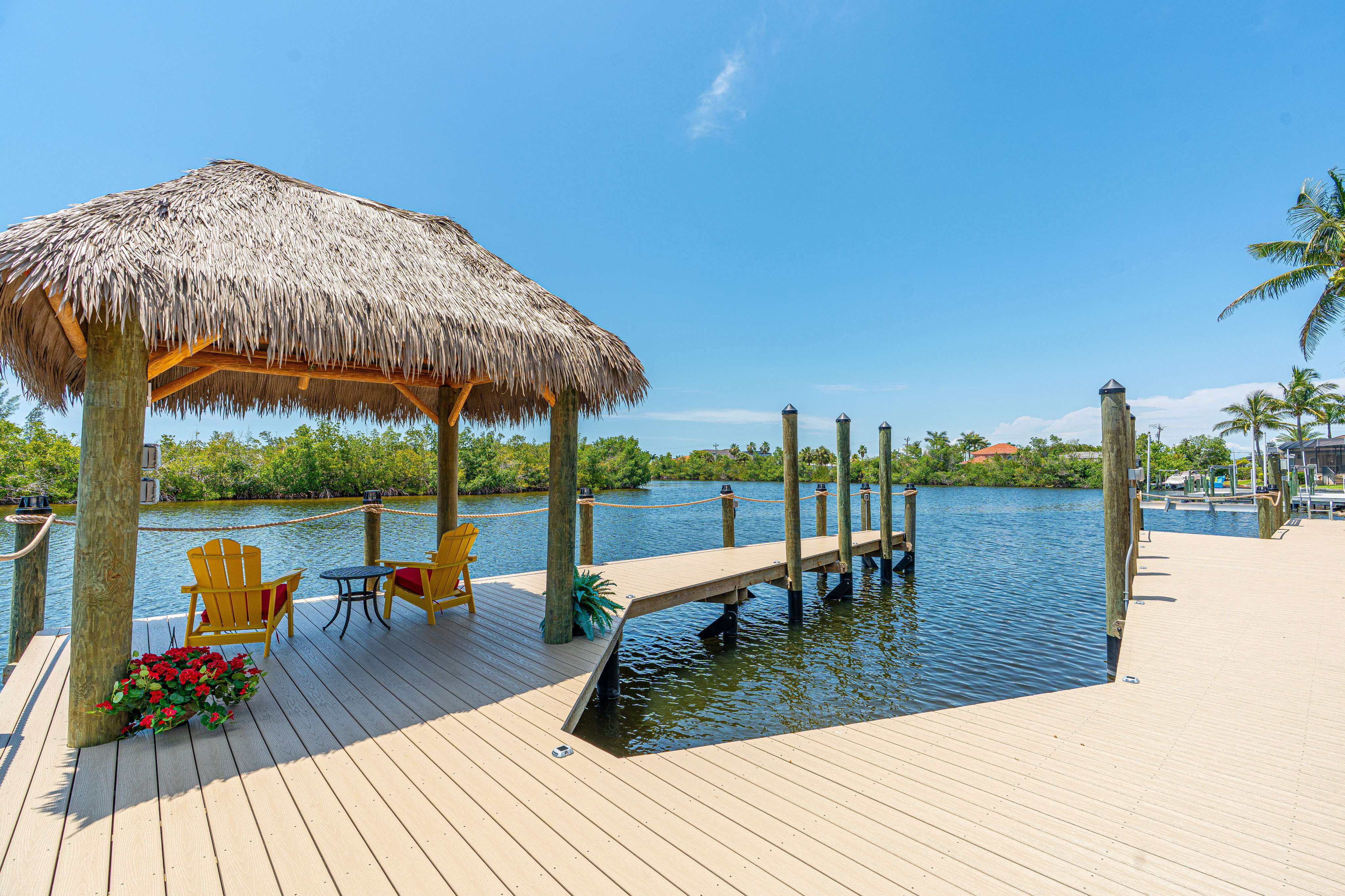
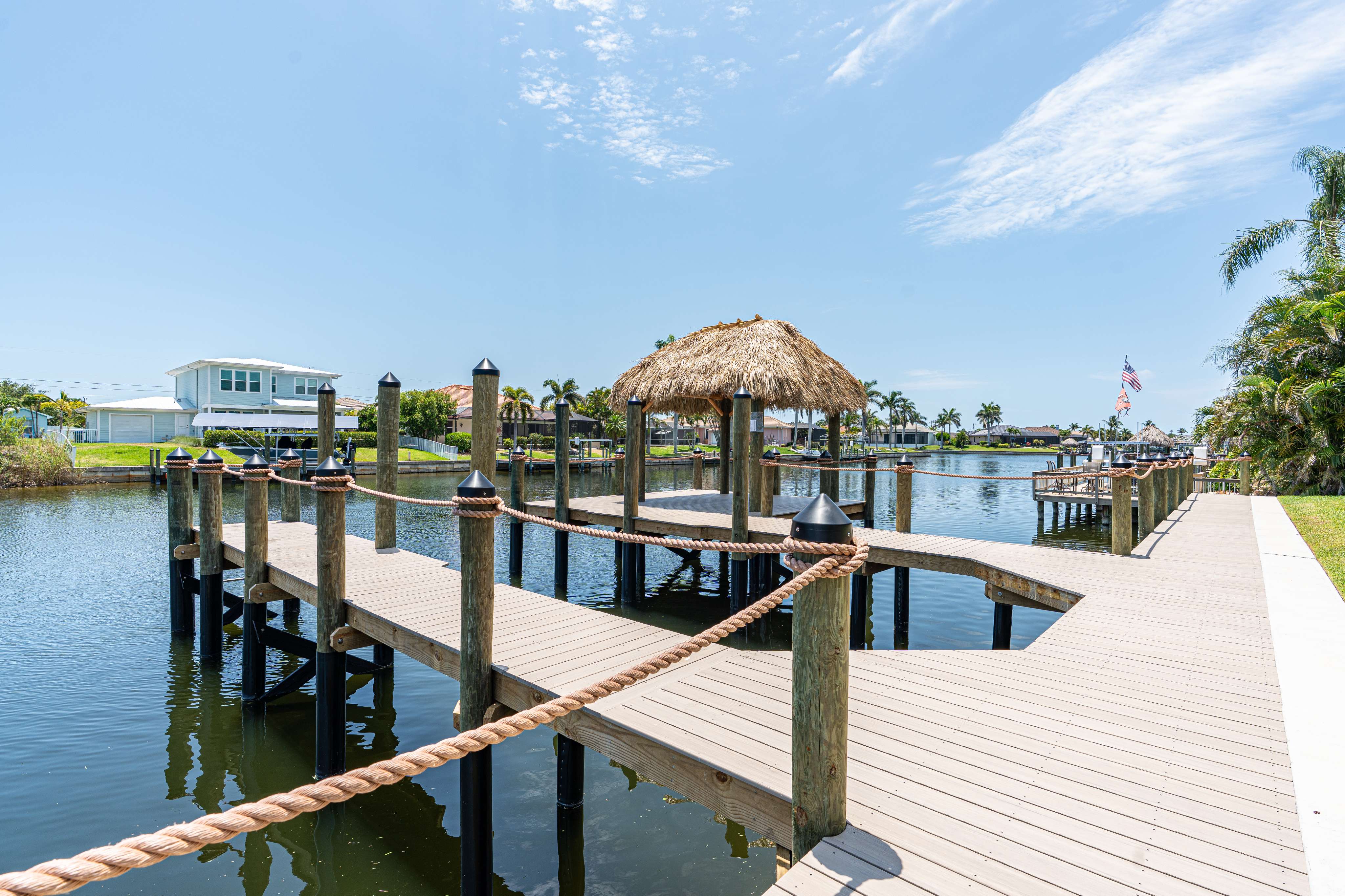
When you’re getting a Jet Ski Lift, you’re not just buying a device. You’re building a system. That’s why the Dock Builder category applies so much. I’m not just setting a lift; I’m building the base, the frame, the dock or gangway it attaches to.
At Coastal Marine Group, when we install a Jet Ski Lift we consider: the width of the canal, depth of water, tidal change, boat wake from nearby traffic, material of dock, mounting points, corrosion potential, access for maintenance, and the integration with the homeowner’s lifestyle. For example, for a house at SE 47th Terrace A, we measured the canal width, the seawall height, the boat traffic pattern to pick a lift system that won’t sag or get wiggled by boat wakes.
Also, as a Dock Builder I’m familiar with local code. For example, the City of Cape Coral’s “Floating Dock – Residential” guidelines state you need signed surveys and inspections. (Revize) And in the Land Development Code you’ll see rules for marine improvements extending into canals. (EncodePlus) All of that plays into how we build the base for a Jet Ski Lift.
Contractor– What That Means for Installing Jet Ski Lifts
When I say Contractor, I mean the whole package: permit handling, structural work, wiring (if lift is electric), integration with the dock and waterway, safety standards. Installing a Jet Ski Lift is more than just bolting parts – you need a licensed contractor who knows marine construction, understands seasonal stresses, and local codes.
In Lee County, for example, the Dock and Shoreline Guide explains you need a permit for lifts, docks, etc. (leegov.com) We handle the paperwork, drawings, inspections – everything that lets you sleep easy, knowing your lift installation is legit.
I recall a homeowner who tried to save money and had someone swing in without paperwork. When inspectors came after hurricane season, they found the lift didn’t meet required specs. We had to retrofit the install. Avoid that hassle. A proper Contractor trusts you’ll be out enjoying your craft, not worrying about the mount.
Q&A Section
Q1: How deep in the canal should I install my Jet Ski Lift at 424 SE 47th Terrace A?
A: The depth should let your jet ski float without touching the bottom even when low tide hits. I’ll measure your canal frontage and pick the right lift height so you don’t drag.
Q2: How often does a Jet Ski Lift need maintenance in Cape Coral’s salt air?
A: I suggest checking bolts, motor parts, cables every 6-12 months. Salt and sun eat hardware fast. If you live near Bimini Basin or heavy traffic canals, you might wanna check every 6 months.
Q3: Can I install a Jet Ski Lift myself on my dock by SE 47th Terrace A?
A: You could, but I don’t recommend it. Permits, proper pilings, mount strength, alignment—all matter. A bad frame means a damaged ski and maybe the dock.
Q4: What size lift do I need for two jet skis?
A: For twin setups I pick a frame rated for combined weight + extra for water splash. I built one in the Pelican neighborhood for two machines side-by-side. We made sure the lift motor, rails, and frame handled the load.
Q5: Does installing the Jet Ski Lift affect my dock permit or marine structure rules?
A: Yes – if you extend pilings or float structures you must follow the city’s marine improvement rules. For example, Cape Coral Land Development Code says docks project only a portion of canal width. (EncodePlus)
Q6: What happens if there’s a storm and my lift is raised or the jet ski is still on it?
A: You want to remove the jet ski or secure it low before a storm; strong waves can stress the lift frame. After the storm check for alignment, bolts, and the motor casing.
Q7: Should I also get a cover for the jet ski when it’s on the lift?
A: Yes, I highly recommend it. A cover helps keep solar heat, rain, bird mess, salt spray off the ski and the lift hardware. Less clean-up = less wear.
Call Coastal Marine Group today!
424 SE 47th Terrace A, Cape Coral, FL 33904, United State FL

Your Questions, Answered
Everything you need to know about working with a professional marine contractor.
Yes, virtually all marine construction in Florida requires permits. The good news? We handle the entire permitting process for you, including applications, engineered drawing, and environmental compliance.
Timeline varies by project scope, but most residential docks take 2–4 weeks from permit approval to completion. Seawalls typically take 1–3 weeks. We provide a detailed timeline during your consultation.
Florida's saltwater environment, hurricane exposure, tidal fluctuations, and marine borers require specialized materials and construction techniques. Generic solutions from other regions simply won't last here.
Every project is custom-designed for your specific needs and site conditions. We provide transparent, detailed estimates with no hidden fees. Contact us for a free consultation.
Yes, we operate year-round. However, we may adjust schedules during active storm threats for safety. We also offer emergency repair services for storm damage.
Often, strategic repairs can extend the life of your structures. During your free consultation, we'll assess the condition and recommend the most cost-effective solution.
Absolutely. We carry full liability insurance and workers' compensation coverage. You're protected throughout the entire project.
Serviced Areas
Strategically positioned to serve the entire Southwest Florida shoreline with precision engineering and rapid deployment.
Explore Other Services