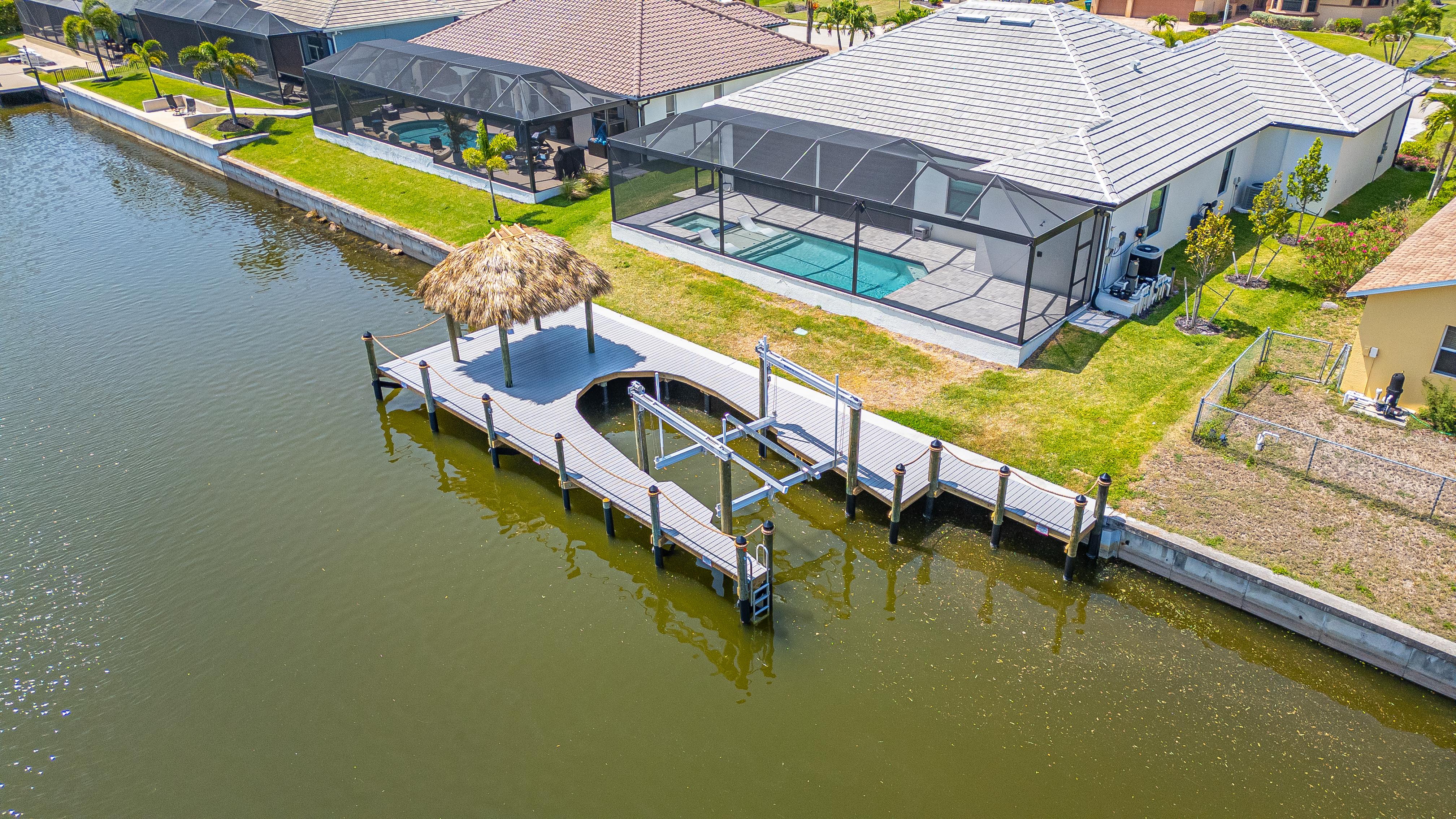
Marine Electrical and Plumbing in Cape Coral and the Area
Learn More →
Coastal Marine Group
Next
And here's some amazing content. It's very engaging. Right?
What Marine Electrical and Plumbing Really Means on a Dock
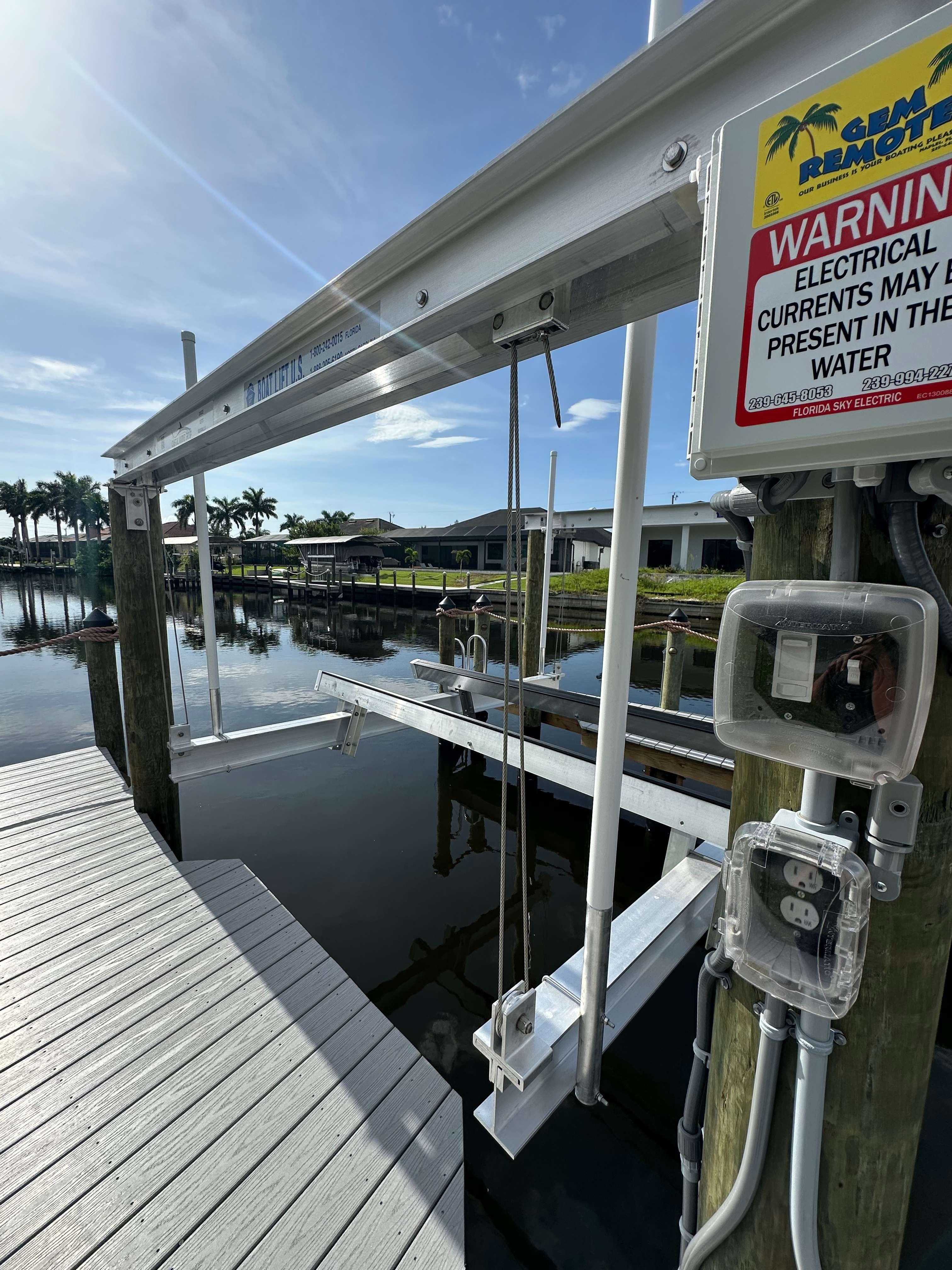
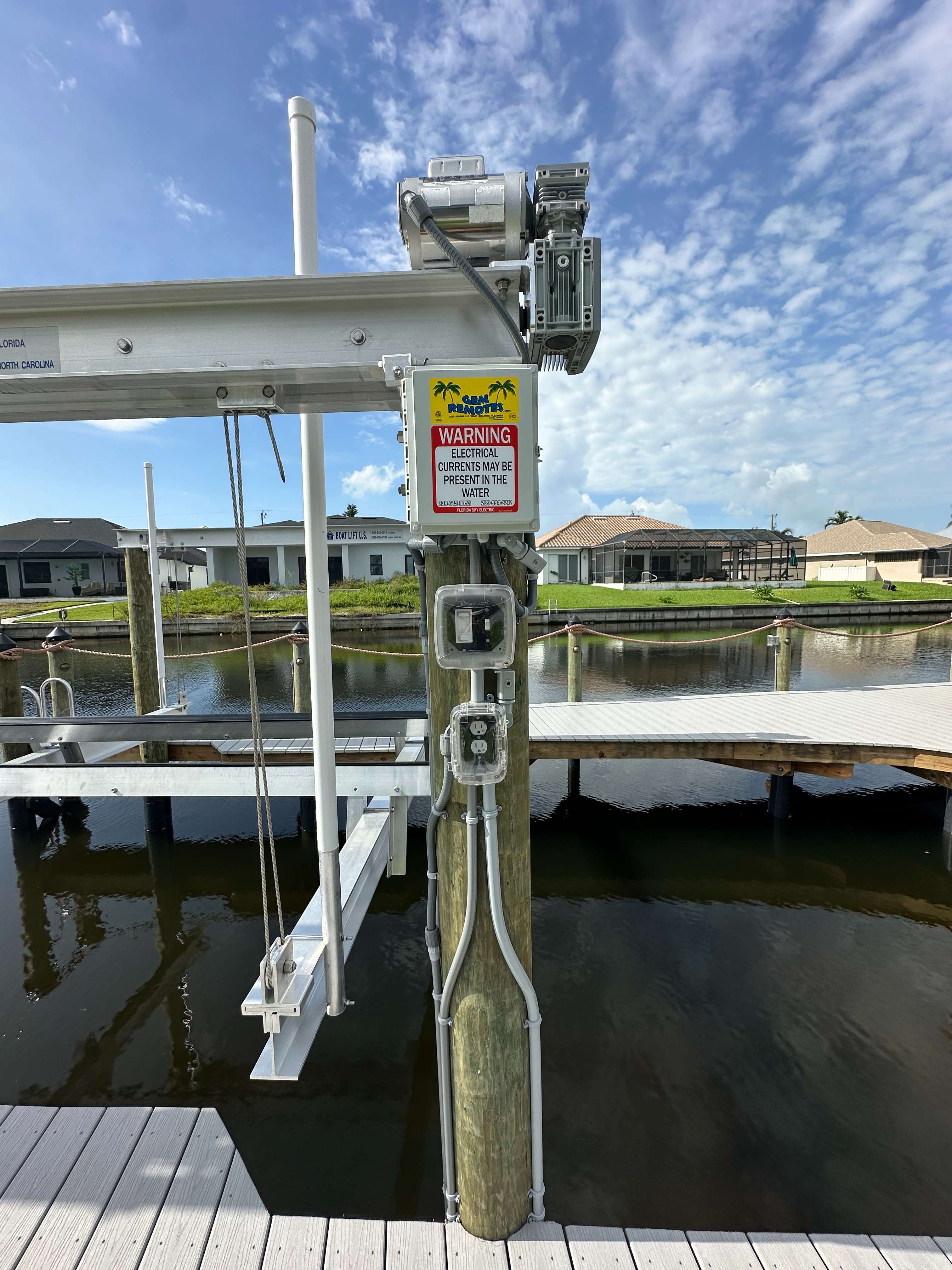
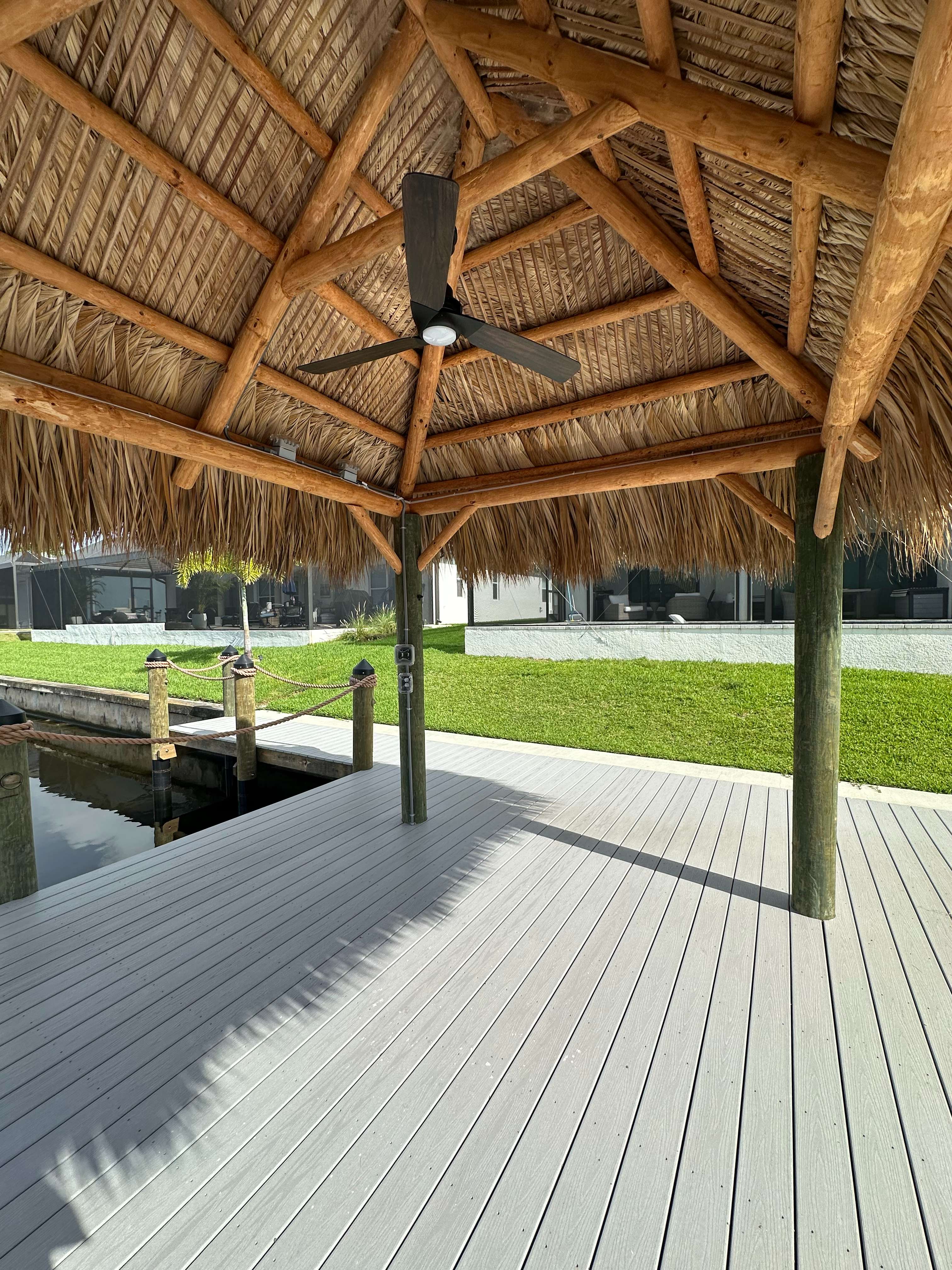
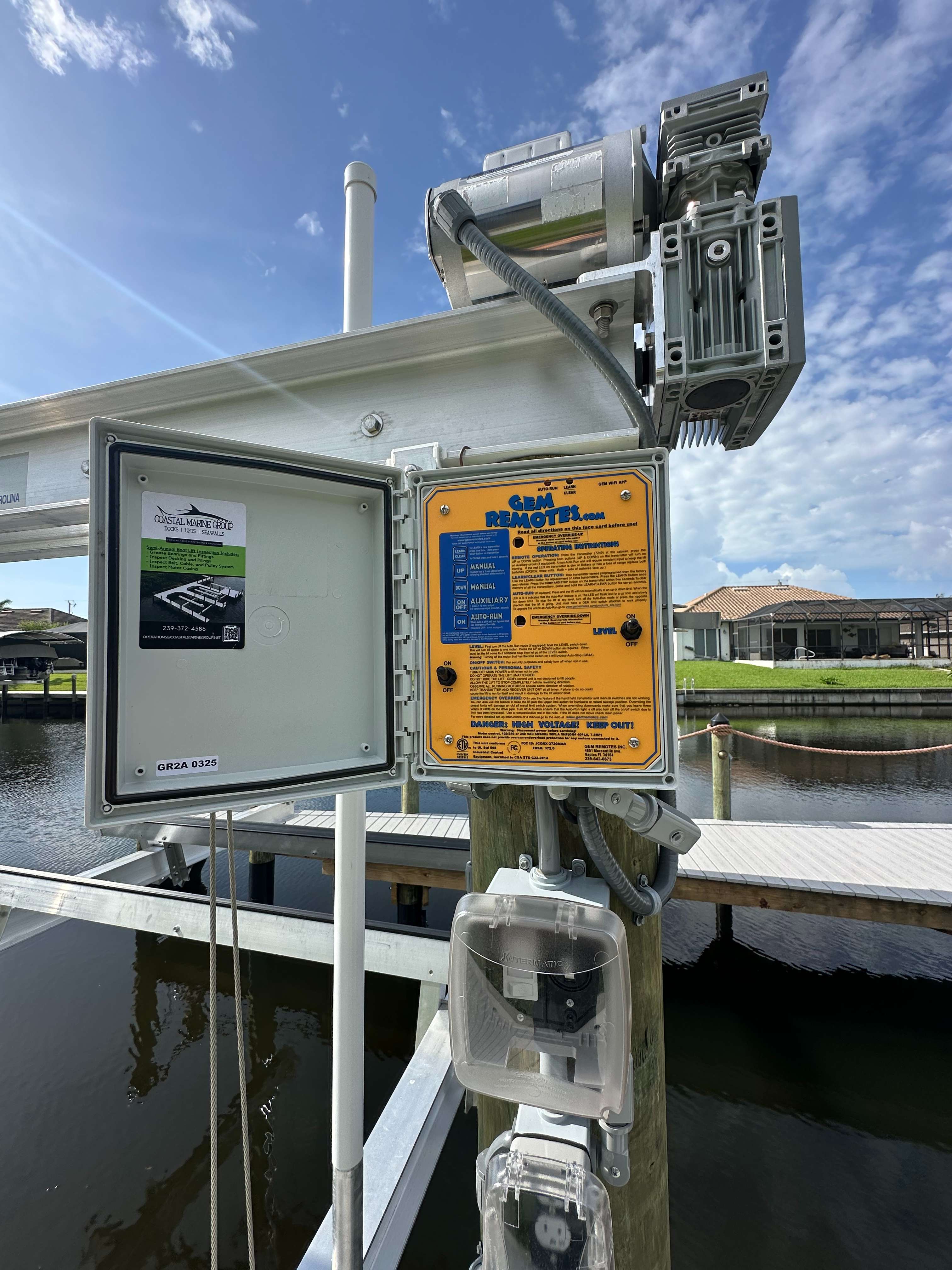
Marine electrical and plumbing sounds fancy, but it’s not. It’s power and water near salt, sun, heat, and moving boats. That combo causes trouble fast.On docks, electrical runs lights, lifts, outlets, fish cleaning tables, cameras, and sometimes boat chargers. Plumbing feeds wash-down hoses, fish stations, and water hookups. When either one fails, docks stop being useful real quick.
I tell people this all the time. Your dock lives a harder life than your house. Salt air never sleeps. Water splashes where it shouldn’t. Rodents chew wires. Sun cooks plastic.
In Cape Coral canals, docks feel every tide shift and boat wake. Wiring flexes. Pipes wiggle. If systems aren’t built right, they break quietly until one day they don’t work at all.Marine electrical and plumbing is about planning for all that abuse before it happens.
Why Dock Builders Deal With Electrical and Plumbing Together
On land, electricians and plumbers work apart. On docks, they overlap.
I’ve seen water lines drip right onto junction boxes. I’ve seen electrical conduits melt from sun heat and sag onto plumbing pipes. When one system moves, the other feels it.
Dock builders handle both because dock layout decides where lines run. If the dock shifts even a little, wires stretch and pipes crack. That’s why dock builders need to think ahead.
One job near the Rubicon Canal had a dock light that kept tripping breakers. The issue wasn’t wiring alone. A plumbing line under the dock leaked and soaked the electrical run. Fixing one without the other would’ve been a waste.
Marine electrical and plumbing work best when planned as one system, not two separate jobs.




Common Marine Electrical Problems We See in Cape Coral
Salt is enemy number one. It creeps into connections and eats metal slow.We see corroded outlets, rusted screws, cracked conduit, and loose grounds all the time. Many docks were wired years ago with materials not meant for marine use.
One homeowner near Pelican had dock lights flicker every night. The wiring looked fine above water. Below, corrosion had eaten half the conductor.
Humidity adds to it. Wires sweat. Connections loosen. Rodents chew insulation looking for nesting spots.
The City of Cape Coral marine safety info (https://www.capecoral.gov) talks about electrical hazards near water for a reason. Water and power don’t forgive mistakes.
Common Marine Plumbing Issues Around Local Docks
Plumbing problems are sneakier. Leaks start small. A drip here, a soft spot there. Over time, that water weakens dock boards and soil around pilings.Wash-down hoses get left pressurized. Fittings crack. PVC gets brittle in sun. Copper corrodes faster near salt. I worked on a dock near SE Cape where the owner thought boards were rotting. Nope. A hidden plumbing leak had soaked the framing for years.Marine plumbing must be secured tight and protected from movement. Dock sway pulls pipes apart if they aren’t strapped right.
Real Stories From Cape Coral Dock Jobs
One dock near the Yacht Club had lights that shocked people. Not hard, just a tingle. That’s scary stuff. We shut it down fast. The issue was cracked insulation inside a conduit filled with water. That water came from a leaking wash-down line. Two problems feeding each other. Another job near Tarpon Point involved a boat lift that wouldn’t raise evenly. Electrical checked out. The real issue was plumbing runoff washing soil from one side of the dock. That tilt pulled wiring tight until it failed.People laugh when I say docks are alive. They move, shift, breathe. Ignore that and systems break.
Seasonal Changes That Wreck Marine Wiring and Pipes

Summer
Heat cooks wires. Plastic softens. Afternoon storms flood conduit runs.
Hurricane Season
Storm surge moves docks and yanks lines. Water intrusion ruins outlets fast.
The FEMA coastal flood guidance (https://www.fema.gov) explains why marine systems fail after storms so often.
Winter
Cool nights shrink materials. Cracks open. Small leaks start.
Spring
Boat traffic ramps up. Wakes flex docks more often. Electrical and plumbing feel every bounce.
Seasonal wear isn’t dramatic. It’s quiet. Then one day nothing works.
How We Handle Marine Electrical and Plumbing on Dock Projects
We start by looking, not guessing.
We trace every wire. Check every outlet. Look for corrosion, heat damage, loose straps. Plumbing gets pressure tested. Lines get checked for movement.
We reroute where needed. We elevate connections. We seal everything possible.I’ve had homeowners say, “It looked fine before.” Yeah, most problems hide under docks.Marine-rated parts cost more but last longer. Using indoor stuff outdoors is asking for trouble.
Door Warehouse Materials and Dock Electrical Planning
Door warehouse style suppliers sell bulk hardware and materials. That matters for docks too.Electrical boxes, conduit, fasteners — quality matters. Cheap hardware rusts fast.
We’ve swapped out brand-new materials that weren’t marine rated. They failed in months.Planning electrical around proper materials saves future service calls.
Marine Electrical and Plumbing Q&A
Q1: Why is marine electrical different from house wiring?
A: Salt air, moisture, and movement break normal wiring fast. Marine systems use tougher materials for docks.
Q2: Do docks need special plumbing parts?
A: Yes. Dock plumbing faces sun and movement. Indoor parts crack and leak quicker outdoors
Q3: How often should dock electrical be checked
A: At least once a year, and after storms or flooding near Cape Coral canals.
Q4: Can plumbing leaks affect dock wiring?
A: Yes. Water leaks soak electrical lines and cause shorts or shocks over time.
Q5: Are dock outlets dangerous near water?
A: They can be if not installed right. Proper grounding and placement keeps people safe.
Q6: Does Cape Coral require dock inspections?
A: Many upgrades do. Local rules help prevent fires and water-related accidents.
Call Coastal Marine Group today!
424 SE 47th Terrace A, Cape Coral, FL 33904, United State FL

Your Questions, Answered
Everything you need to know about working with a professional marine contractor.
Yes, virtually all marine construction in Florida requires permits. The good news? We handle the entire permitting process for you, including applications, engineered drawing, and environmental compliance.
Timeline varies by project scope, but most residential docks take 2–4 weeks from permit approval to completion. Seawalls typically take 1–3 weeks. We provide a detailed timeline during your consultation.
Florida's saltwater environment, hurricane exposure, tidal fluctuations, and marine borers require specialized materials and construction techniques. Generic solutions from other regions simply won't last here.
Every project is custom-designed for your specific needs and site conditions. We provide transparent, detailed estimates with no hidden fees. Contact us for a free consultation.
Yes, we operate year-round. However, we may adjust schedules during active storm threats for safety. We also offer emergency repair services for storm damage.
Often, strategic repairs can extend the life of your structures. During your free consultation, we'll assess the condition and recommend the most cost-effective solution.
Absolutely. We carry full liability insurance and workers' compensation coverage. You're protected throughout the entire project.
Serviced Areas
Strategically positioned to serve the entire Southwest Florida shoreline with precision engineering and rapid deployment.
Explore Other Services