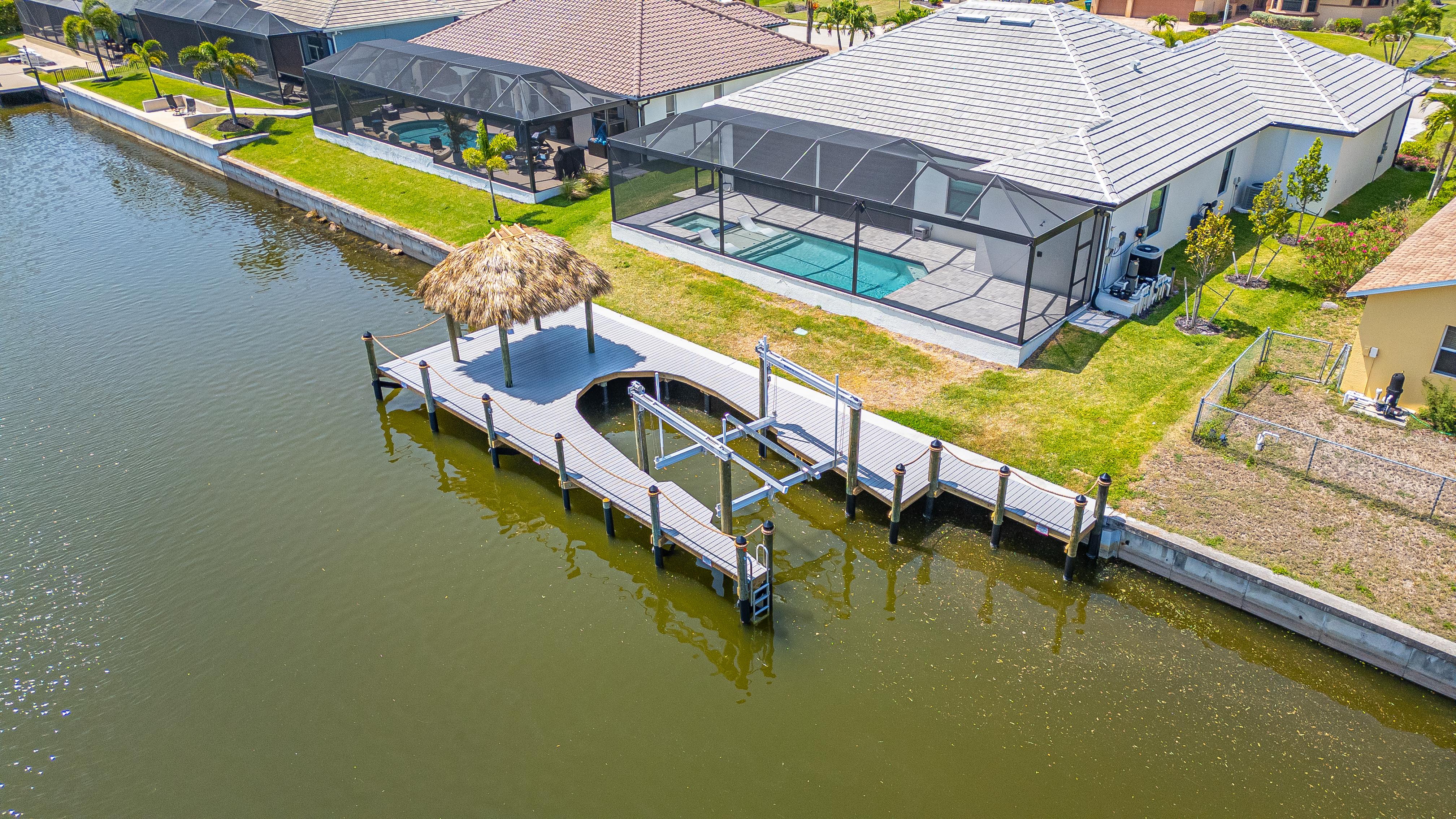
Underwater Soil Sampling and Surveying in Cape Coral and the Area
Learn More →
Coastal Marine Group
Next
And here's some amazing content. It's very engaging. Right?
What Underwater Soil Sampling & Surveying Really Is
Underwater soil sampling & surveying sounds like a lab thing, but it’s pretty simple. It means checking what’s under the water before a dock gets built or fixed. Sand, mud, shell, clay, soft muck, hard pan — Cape Coral has all of it.
I tell folks all the time, water hides problems better than walls ever could. A dock can look fine up top, but below the water it might be sitting on soup. That soup moves. When it moves, docks tilt, posts loosen, and boards creak like an old porch.
Underwater soil sampling lets us see what the dock will really stand on. We take samples, check depth, feel resistance, and map out what’s there. It’s not fancy talk. It’s basic common sense when building over water.Around Cape Coral canals, the soil changes every few feet. One side of a dock may sit on firm sand. The other side may sink into soft black muck. Without sampling, builders guess. Guessing costs money later.
Why Dock Builders Rely on Underwater Soil Sampling in Cape Coral
Cape Coral is not solid rock. It’s layered. Fill dirt, sand, old shells, canal dredge, and natural soil all mix together. That mix shifts over time.I worked on a dock near the Yacht Club area that kept leaning toward the canal. The owner blamed waves. Turns out the posts were set into soft soil that slowly washed away. A soil survey would have caught it early.
Dock builders rely on underwater soil sampling because docks are heavy. Pilings need something solid to grab. Without knowing what’s below, you risk building a dock that slowly walks away from shore.Near neighborhoods like SE Cape, Pelican, and off Del Prado canals, boat traffic stirs up the bottom daily. That movement changes soil shape year after year. Sampling helps plan for that movement instead of fighting it later


What We Find Under the Water Around Cape Coral
You’d be surprised what’s under there.
Some canals have clean sand that packs tight. Others have layers of mush that feel like stepping in pudding. I’ve pulled up samples with shells packed so tight they rang when tapped. I’ve also pulled samples that smelled like rotten eggs.
In older canals, we often find dredged material dumped decades ago. That stuff settles uneven. Newer canals may have loose sand that shifts during storms.One dock near Tarpon Point looked normal above water. Below, the soil had washed out around the pilings. We only saw it because we sampled. Without that check, repairs would have failed again.
Underwater soil sampling & surveying shows where posts should go, how deep they need to be, and what type of material will hold them long-term.
Real Stories From Dock Jobs That Needed Soil Surveys
One homeowner near SE Cape wanted a dock extension for a bigger boat. He said, “Just add ten feet.” We sampled first. The soil dropped off fast past the old dock. Soft muck. No support.We redesigned the layout, added deeper pilings, and saved him from a dock that would’ve sunk within a year. He later said he was glad we didn’t just say yes. Another job near the Caloosahatchee River involved a dock that bounced when walked on. Turns out the soil had eroded under half the structure. Sampling showed uneven layers. Once fixed, the dock felt solid again.I remember one older homeowner who joked, “Guess my dock had bad knees.” Nope. Just bad soil underneath.
Seasonal Changes That Affect Underwater Soil in Cape Coral
Summer Rain Heavy rain pushes runoff into canals. That runoff carries sand and dirt. When the rain stops, that material settles under docks. Hurricane Season Storm surge moves soil fast. What was firm in June may be gone by September. After storms, we see fresh washouts around pilings. Winter Low Water Lower water levels expose shallow spots. Boats stir the bottom more, loosening soil near docks. Spring Growth Plants grab sediment and shift it. Roots grow and then die off, leaving soft pockets behind. The City of Cape Coral waterways information (https://www.capecoral.gov) explains how canal systems change over time due to weather and use.
How Underwater Soil Sampling Is Done for Dock Projects

We don’t guess. We sample.
First, we locate where pilings or repairs are planned. Then we probe the bottom to feel resistance. We pull soil samples by hand or tool, depending on depth.We log how deep firm material starts. We note soft layers, shell beds, and washout zones. That info tells us how long pilings need to be and how far apart they should sit.Sometimes homeowners watch from the dock and say, “Didn’t know all that was under there.” Most don’t. Water hides it well.The Florida DEP coastal construction guidance (https://floridadep.gov) explains why soil conditions matter for marine structures.
Door Warehouse Materials and Why Soil Data Matters
Dock materials come from suppliers similar to door warehouses for homes. Lumber, fasteners, pilings — all have limits. Soil data tells us which materials work best.In soft soil, heavier pilings make sense. In firm sand, standard pilings may work fine. Without soil data, builders might overbuild or underbuild.
I’ve seen docks fail because materials were strong, but the soil wasn’t. Soil sampling keeps materials matched to conditions.Using the right supplies saves money and avoids repairs later. It’s like choosing the right anchor for the water you’re in.
Dock Builder Supplier Planning Based on Soil Results
Dock builder suppliers need soil info to recommend the right products. Different pilings handle different soils. Hardware choice also depends on movement below.One supplier helped us switch piling types after soil samples showed deep soft layers. That change doubled the dock’s life span.
Suppliers who work with dock builders know Cape Coral soil is tricky. Soil sampling lets them support projects with the right gear instead of guesswork.When builder and supplier work from real data, docks last longer and customers call less for repairs
Underwater Soil Sampling & Surveying Q&A
Q1: Why is underwater soil sampling needed in Cape Coral?
A: Canal soil shifts often. Sampling shows what’s firm and what’s soft so docks don’t sink or tilt over time
Q2: Does every dock project need soil surveying?
A: Most do. Even small docks can fail if posts sit in weak soil, especially in older canals.
Q3: How long does underwater soil sampling take?
A: Usually a short visit. The info gained saves years of repair trouble later.
Q4: Can soil conditions change after storms?
A: Yes. Hurricanes and heavy rain move sediment fast, changing support under docks.
Q5: Does soil sampling affect dock design?
A: Yes. It helps decide piling depth, spacing, and materials for long-term strength.
Q6: Is underwater surveying required by local rules?
A: Often recommended and sometimes needed to meet safety and permit standards in Cape Coral
Call Coastal Marine Group today!
424 SE 47th Terrace A, Cape Coral, FL 33904, United State FL

Your Questions, Answered
Everything you need to know about working with a professional marine contractor.
Yes, virtually all marine construction in Florida requires permits. The good news? We handle the entire permitting process for you, including applications, engineered drawing, and environmental compliance.
Timeline varies by project scope, but most residential docks take 2–4 weeks from permit approval to completion. Seawalls typically take 1–3 weeks. We provide a detailed timeline during your consultation.
Florida's saltwater environment, hurricane exposure, tidal fluctuations, and marine borers require specialized materials and construction techniques. Generic solutions from other regions simply won't last here.
Every project is custom-designed for your specific needs and site conditions. We provide transparent, detailed estimates with no hidden fees. Contact us for a free consultation.
Yes, we operate year-round. However, we may adjust schedules during active storm threats for safety. We also offer emergency repair services for storm damage.
Often, strategic repairs can extend the life of your structures. During your free consultation, we'll assess the condition and recommend the most cost-effective solution.
Absolutely. We carry full liability insurance and workers' compensation coverage. You're protected throughout the entire project.
Serviced Areas
Strategically positioned to serve the entire Southwest Florida shoreline with precision engineering and rapid deployment.
Explore Other Services